The freelance designer vs agency decision comes down to scope, budget and your own management time. Hiring one independent creative professional gets you direct contact and lower hourly rates. Hiring a coordinated design team gets you strategy, project management and backup built in.
Freelancers usually cost less, but you carry the management overhead and a single point of failure. Agencies cost more upfront, yet they add structure, quality control and continuity. AI-assisted workflows now speed up routine work on both sides.
Below, we compare project-based pricing, pros and cons, AI's impact and the best use cases for each. Then you'll get seven steps for choosing a long-term design partner that fits your scope and budget.
What Is a Freelance Designer?
A freelance designer is a self-employed design professional who works on contract for several clients at once. Freelancers set their own rates, schedule and workload, and most work remotely. Common services include logo design, brand identity, website design and UI/UX design.
About 20% of US graphic designers are self-employed, according to the U.S. Bureau of Labor Statistics. Most freelancers win clients through a personal portfolio and referrals.
What Is a Design Agency?
A design agency is an established business with an internal team that delivers design work for clients. A typical team includes an art director, graphic designers, UI/UX designers, project managers and brand strategists.
Agencies serve several clients simultaneously. Set processes for quality control, reviews and timelines keep each project on track. Many offer full-service design, from brand identity to websites and apps.
What Is the Difference Between a Freelance Designer and a Design Agency?
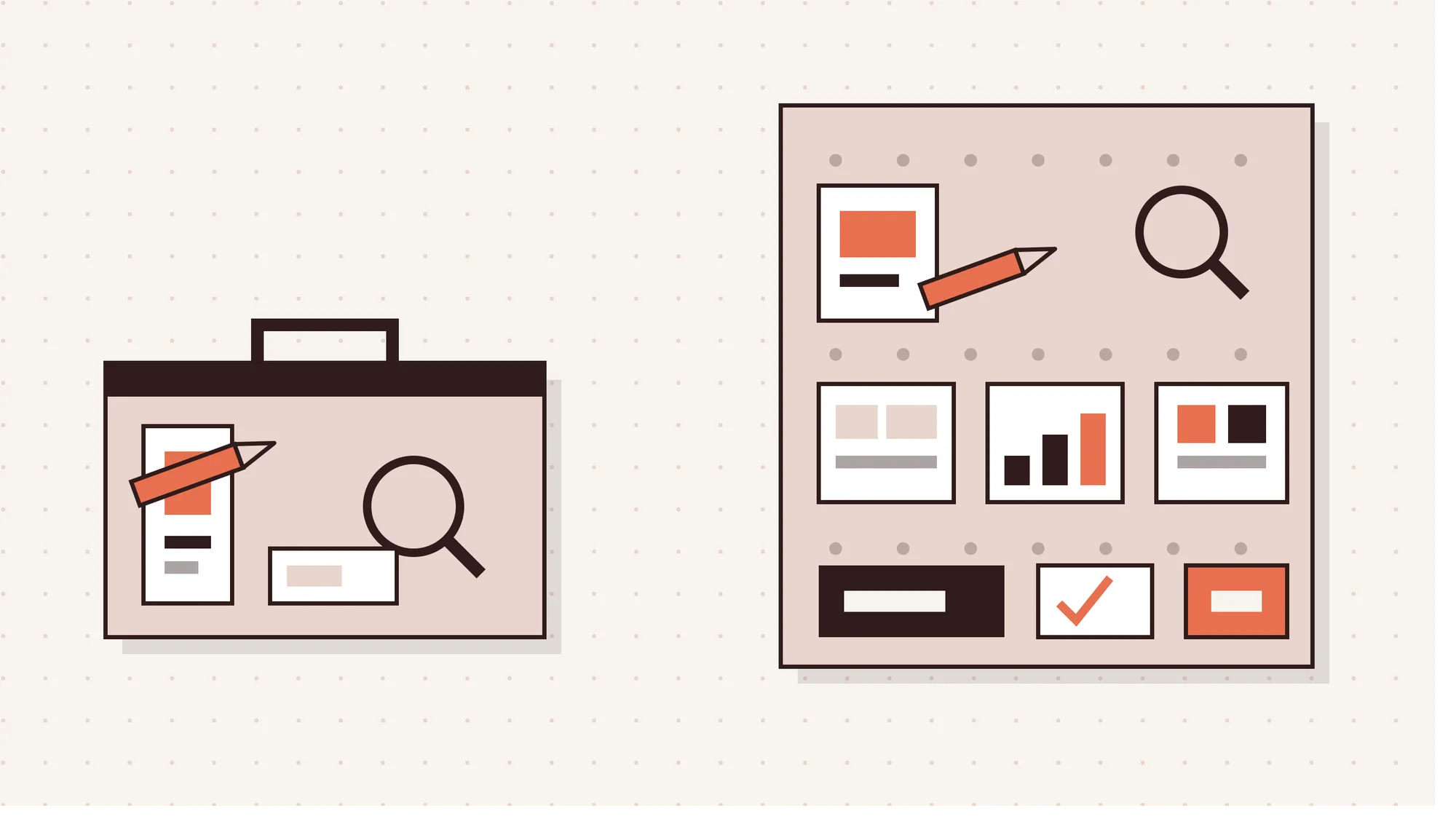
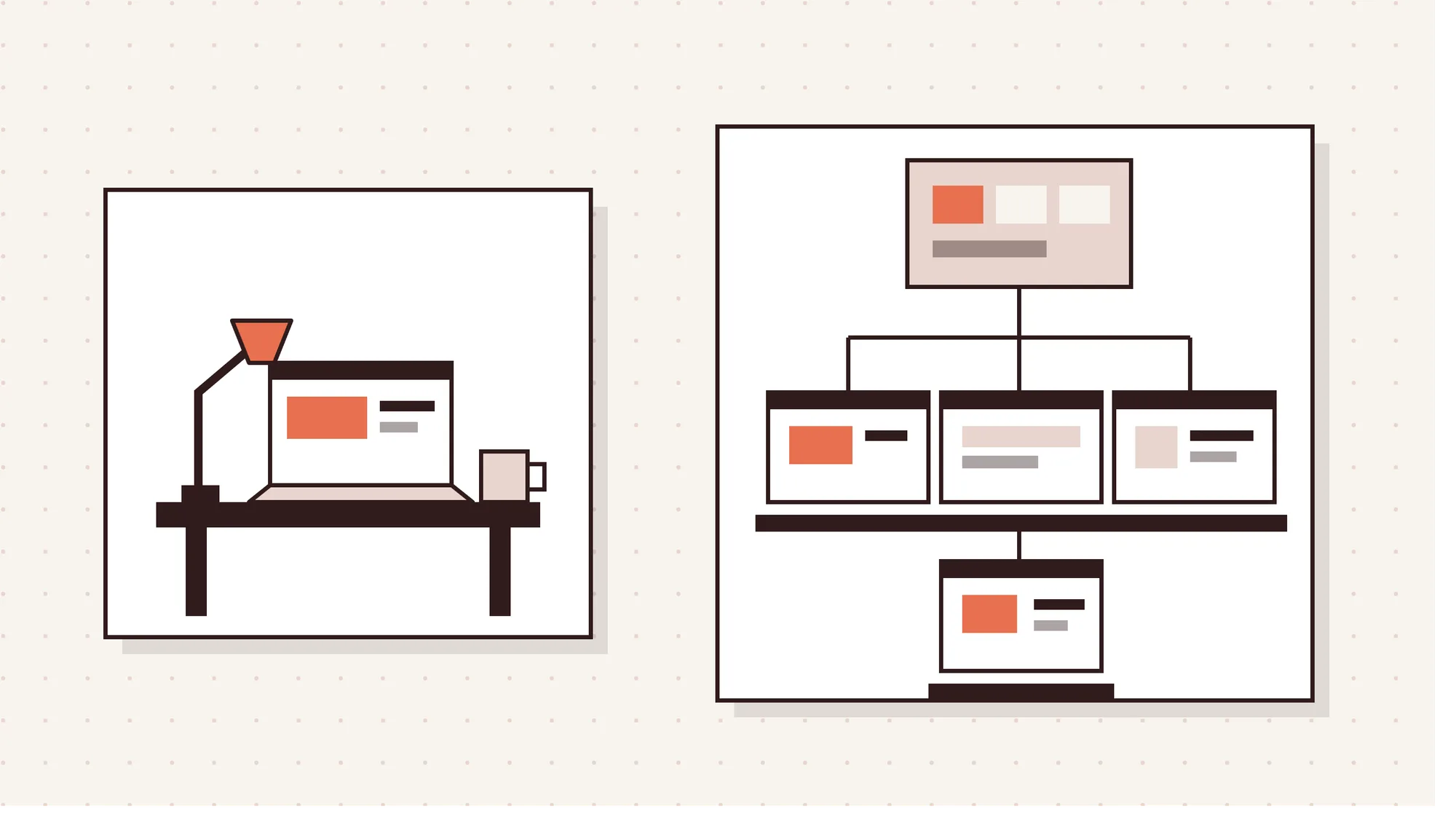
The main difference between a freelance designer and a design agency is team size and structure. A freelance designer is one person who handles the work directly. A design agency is a coordinated team of specialists.
Freelancers offer direct access, while agencies add process, continuity and post-launch support.
The key differences between a freelance designer and a design agency are shown in the table below.
| Factor | Freelance designer | Design agency |
|---|---|---|
| Team structure | One independent professional handles every part of the work. | A coordinated team of designers, strategists and project managers. |
| Pricing model | An hourly rate or a flat fee per project. | A fixed project fee, hourly billing or a monthly retainer. |
| Typical cost | Lower rates for narrow scopes, with little overhead built in. | Higher upfront pricing that covers salaries, tools and overhead. |
| Scope of services | Focused strengths, so you may need other specialists too. | A broad range, often a one-stop shop including development. |
| Communication | Direct contact with the designer and fewer communication layers. | A project manager acts as your single point of contact. |
| Project management | You write briefs and manage timelines, feedback and files. | Dedicated project management and a formal revision process. |
| Capacity and continuity | Limited bandwidth, and work stops if the designer is unavailable. | Team members cover for each other, so work keeps moving. |
| Post-launch support | Often limited once the final files are delivered. | Ongoing support and long-term cooperation are common offerings. |
The right choice depends on project scope, budget and the time you can spend managing the work.
How Much Does a Freelance Designer Cost Compared to an Agency?
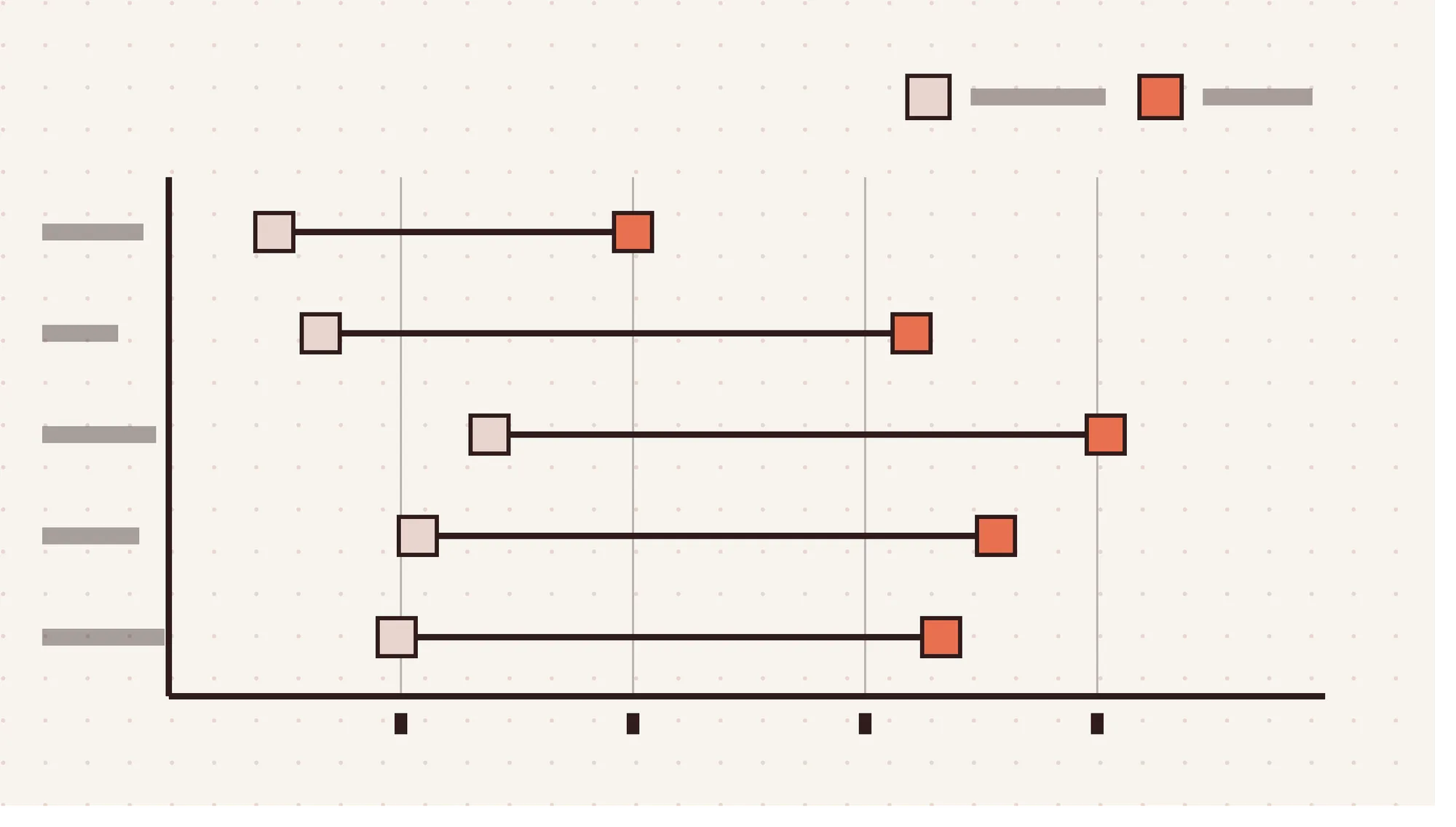
A freelance designer usually costs less than a design agency, per hour and per project. Upwork's 2026 guide to hourly rates puts beginners at $10 to $25 per hour across all categories. Intermediate freelancers charge $25 to $60, and experts charge $60 to $120 or more.
Project fees vary widely too, according to a July 2026 Fast Company and AIGA survey. Flyers, posters and some logos can cost under $1,000. Apps and product design systems can reach $50,000 or more.
Clutch's design pricing guide, updated in September 2026, shows most agencies charge $25 to $49 per hour. Location matters, since US and Australian agencies charge $100 to $149 an hour.
Clutch lists an average design project cost of $56,303, though most projects cost a few thousand dollars. Design agency pricing usually comes as a fixed project price, an hourly rate or a monthly retainer. Five factors drive cost: project scope, experience, location, timeline and the number of revision rounds.
The typical 2026 costs of a freelance designer and a design agency are shown in the table below.
| Rate or project type | Freelance designer | Design agency |
|---|---|---|
| Hourly rate | $10 to $120+ per hour, by experience | $25 to $149 per hour, by location |
| Logo design | $100 to $500 | $5,000 to $10,000 with basic brand guidelines |
| Brand identity | $1,000+ for a basic package | $15,000 to $30,000+ |
| Small website | $500 to $1,500 for one to three pages | From $10,000 for a fixed-price project |
| Monthly retainer | $500 to $1,200 for basic maintenance | $3,000 to $10,000+ |
Treat these as typical market ranges, not fixed quotes.
What Are the Hidden Costs of Hiring a Freelance Designer or an Agency?
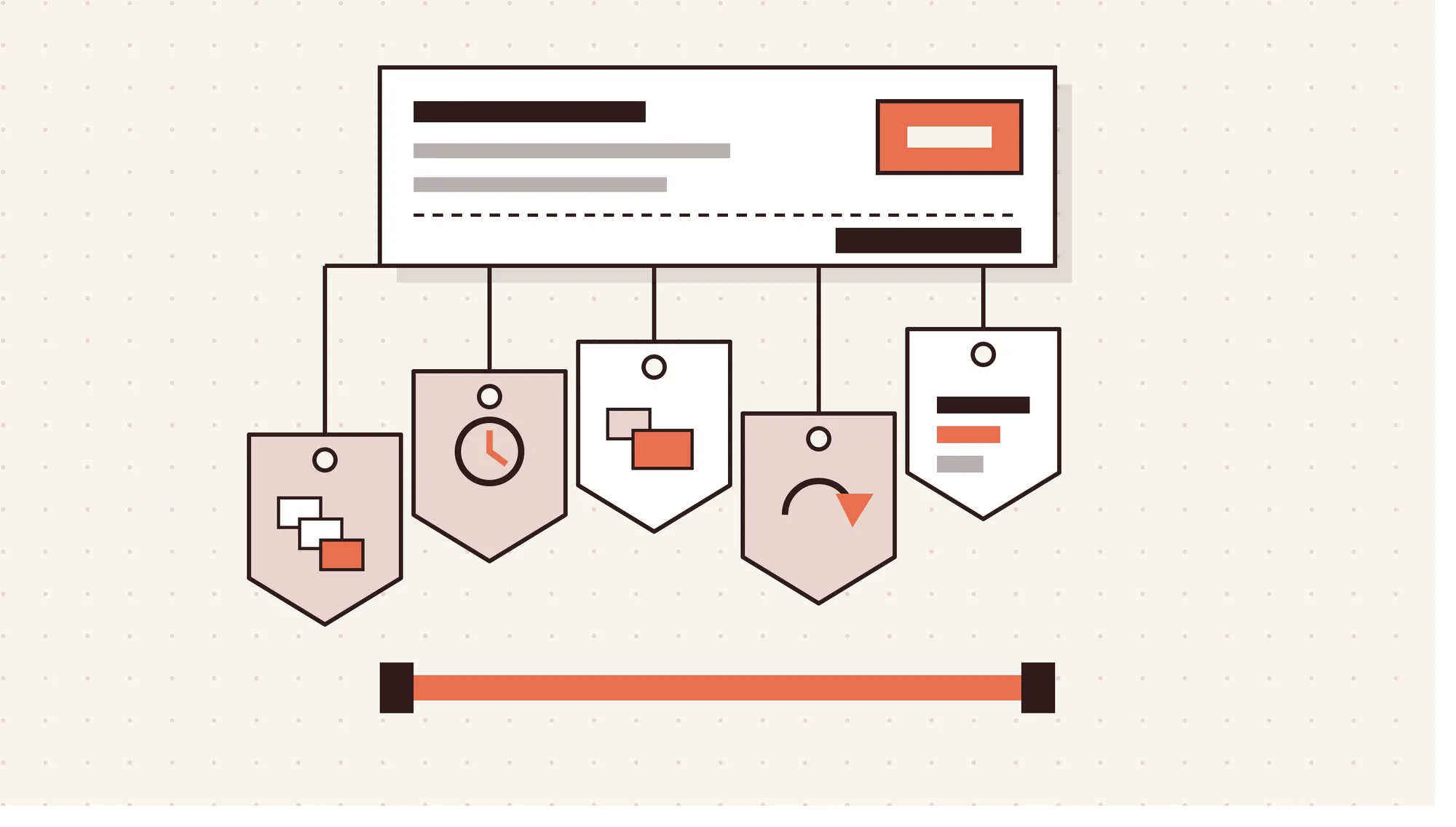
The hidden costs of hiring a freelance designer or an agency are the ones the quote leaves out. They include management time, scope creep, rehiring, agency add-ons and design debt. Cost isn't just the invoice, and these extras shape the true UI/UX design cost of a project.
Five hidden costs of hiring a freelance designer or an agency are outlined below.
- Management time. With a freelancer, you write briefs, chase deadlines and give feedback yourself. That founder time costs money, even when the hourly rate looks low.
- Scope creep and extra revision rounds. Scope creep is work that grows past the agreed brief. Both freelancers and agencies bill for it, along with extra rounds.
- Rehiring and onboarding. If a freelancer becomes unavailable, you pay to find and brief a replacement. The new designer then needs time to learn your brand.
- Agency add-ons. Rush fees, travel costs and add-on services can inflate agency quotes. Ask for a line-item quote before you sign.
- Design debt. Messy files and one-off layouts that don't scale create design debt. Someone has to rebuild them later.
What Are the Pros and Cons of Hiring a Freelance Designer?
Hiring a freelance designer gives you lower rates, direct access and flexible schedules. The trade-off is that you manage the project and depend on one person.
The pros and cons of hiring a freelance designer are given in the table below.
| Pros | Cons |
|---|---|
| Budget-friendly for narrow scopes. Lower rates suit logos, landing pages and other small tasks. | You manage the project. Client-side project management, from briefs to file delivery, falls on you. |
| Direct access to the designer. You talk to the person doing the work, with no middle layer. | Limited bandwidth. One person can only take on so much, which slows large projects. |
| Flexible schedules. Freelancers often take short jobs and quick turnarounds. | Single point of failure. Illness or a full calendar can stall work, and good freelancers are hard to replace. |
| Niche specialization. You can hire a niche specialist in one style, such as illustration. | Uneven quality and reliability. Skill, process and communication vary widely between freelancers. |
| Pay only for work done. You pay per hour or per project, with no salary or benefits. | Little post-launch support. Many freelancers move on after delivery, so later fixes cost extra. |
What Are the Pros and Cons of Hiring a Design Agency?
Hiring a design agency gives you a multi-disciplinary team, a structured process and long-term support. In return, you accept a higher upfront cost and less direct contact with designers.
The pros and cons of hiring a design agency are given in the table below.
| Pros | Cons |
|---|---|
| Multi-skill team under one roof. Strategy, UI/UX, branding and often development sit with one partner. | Higher upfront cost. Rates cover salaries, tools and overhead, so quotes start higher. |
| Dedicated project manager. One person runs timelines, feedback and approvals for you. | Longer timelines. Layered approvals and internal reviews add time to each phase. |
| Structured strategy and QA. Research, quality assurance and a structured developer handoff catch problems early. | Extra fees for scope changes. Changes outside the signed scope usually trigger extra cost. |
| Team continuity. If one designer leaves, another picks up the work and the files. | Less direct contact. Feedback often passes through an account or project manager first. |
| Ongoing support. Agencies handle changes and updates, which suits a long-term partnership. | Juniorization risk. Senior staff may pitch the work while junior designers execute it. |
How Is AI Changing Freelance Design and Design Agencies?
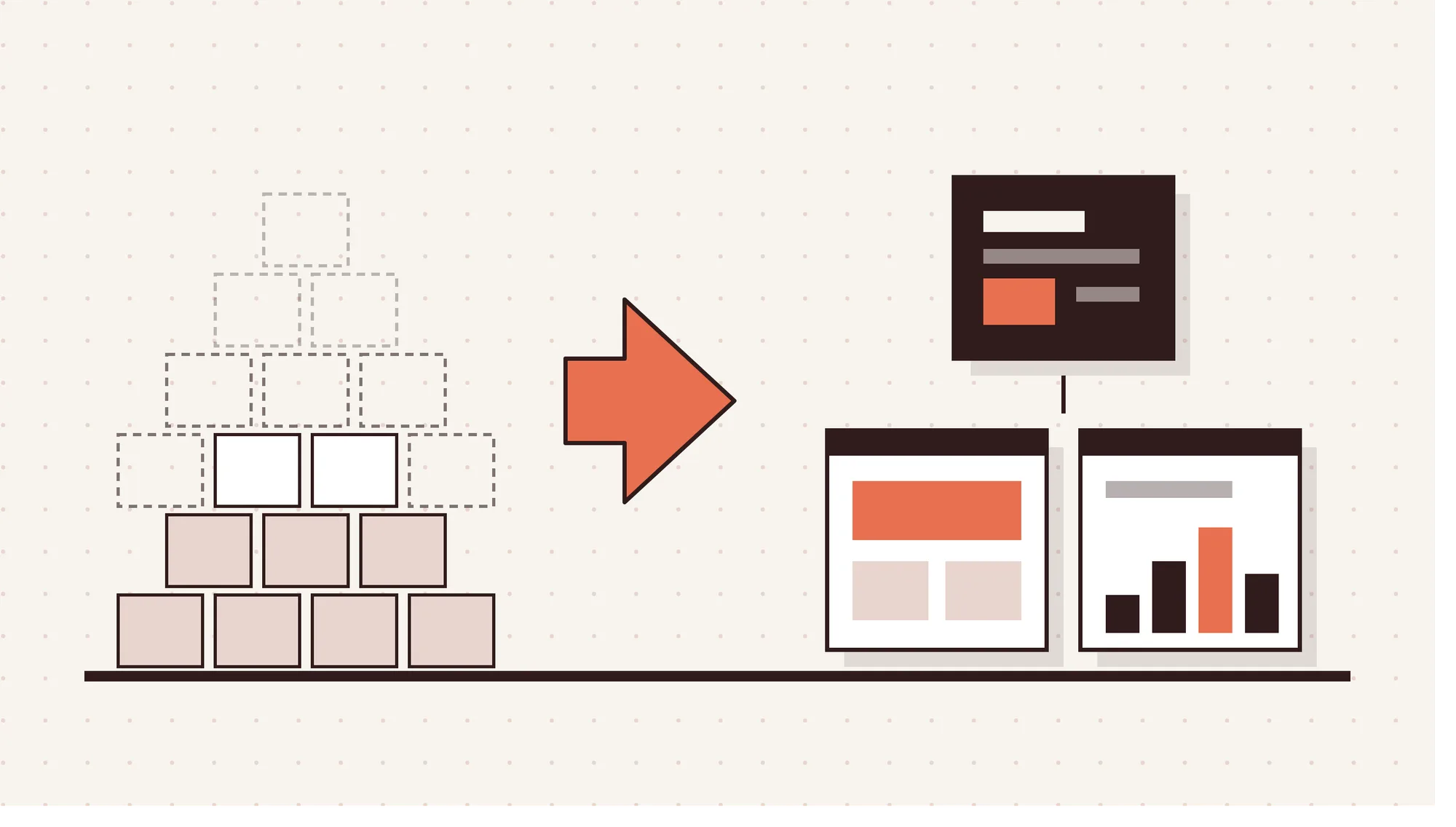
AI is changing freelance design and design agencies by speeding up routine production and shifting demand toward strategy. Generative AI tools now produce many first drafts, so human creative direction matters more.
Five ways AI is changing freelance designers and design agencies are given below.
- Faster production of routine assets. Envato's State of AI in Creative Work 2026 report surveyed 1,780 creatives worldwide. Daily AI use reached 58% among agency owners, 48% among freelancers and 45% among agency employees. Faster drafts free up time for concept work.
- Lower demand for commodity design gigs. A Management Science study by Zhu and colleagues tracked about 1.4 million freelance job listings. After AI image generators launched, graphic design and 3D modeling listings fell 17.01% relative to manual-intensive jobs. Simple, low-cost tasks feel it most.
- Designers moving into prototyping and code. Figma's 2026 AI report drew on 8,403 survey responses. It found 41% of designers now take part in development, up from 21% the year before. AI-generated code is becoming part of the job.
- Clients starting projects with AI before hiring. Nearly 40% of companies now use AI to start creative projects, the Fast Company and AIGA survey found. Yet only 14% of hiring managers expect their need for freelance designers to shrink. Designers still refine and finish the work.
- New questions about quality and disclosure. In the same survey, 70% of freelance designers said AI is hurting creative quality. Envato found only 31% of freelancers always tell clients when they use AI. So ask any designer you hire about AI disclosure.
When Should You Hire a Freelance Designer?
You should hire a freelance designer when the project is small, well-defined and easy to manage. A freelancer also fits tight budgets, niche styles and short-term capacity needs.
Five situations where a freelance designer is the better choice are outlined below.
- Small, well-defined projects. A logo refresh, social graphics or a single landing page has a clear scope and short timeline.
- Tight or variable budgets. Paying per project keeps costs predictable when cash flow is uneven. You pay only for what you need.
- A niche specialist or specific style. Some freelancers master one craft, such as hand-drawn illustration. Hiring them directly is often faster than briefing an agency.
- Time to manage the work. You can write a clear brief, give feedback and track deadlines yourself. Without that time, small projects drift.
- Short-term capacity for an in-house team. Your designers need extra hands for a launch or busy season. A freelancer can follow your existing brand guidelines.
When Should You Hire a Design Agency?
You should hire a design agency when a project spans several disciplines or needs real strategy. Agencies also suit teams with little time to manage designers.
Five situations where a design agency is the better choice are outlined below.
- Multi-discipline projects. Brand identity, a website and a mobile app need one shared direction. One team keeps the brand consistent across every touchpoint.
- Product strategy, research and UX. User research, information architecture and UX strategy work best when specialists collaborate. A scalable product starts with those decisions.
- Little internal time to manage designers. A dedicated project manager handles timelines, feedback and handoffs. Your team reviews work at set points, not daily.
- Fixed launch deadlines. A fixed launch date leaves no room for a single point of failure. Agency teams cover absences and keep work moving.
- Ongoing support and a scalable design system. A design system is a shared library of components and rules. Agencies maintain it as the product grows.
How to Choose Between a Freelance Designer and an Agency?
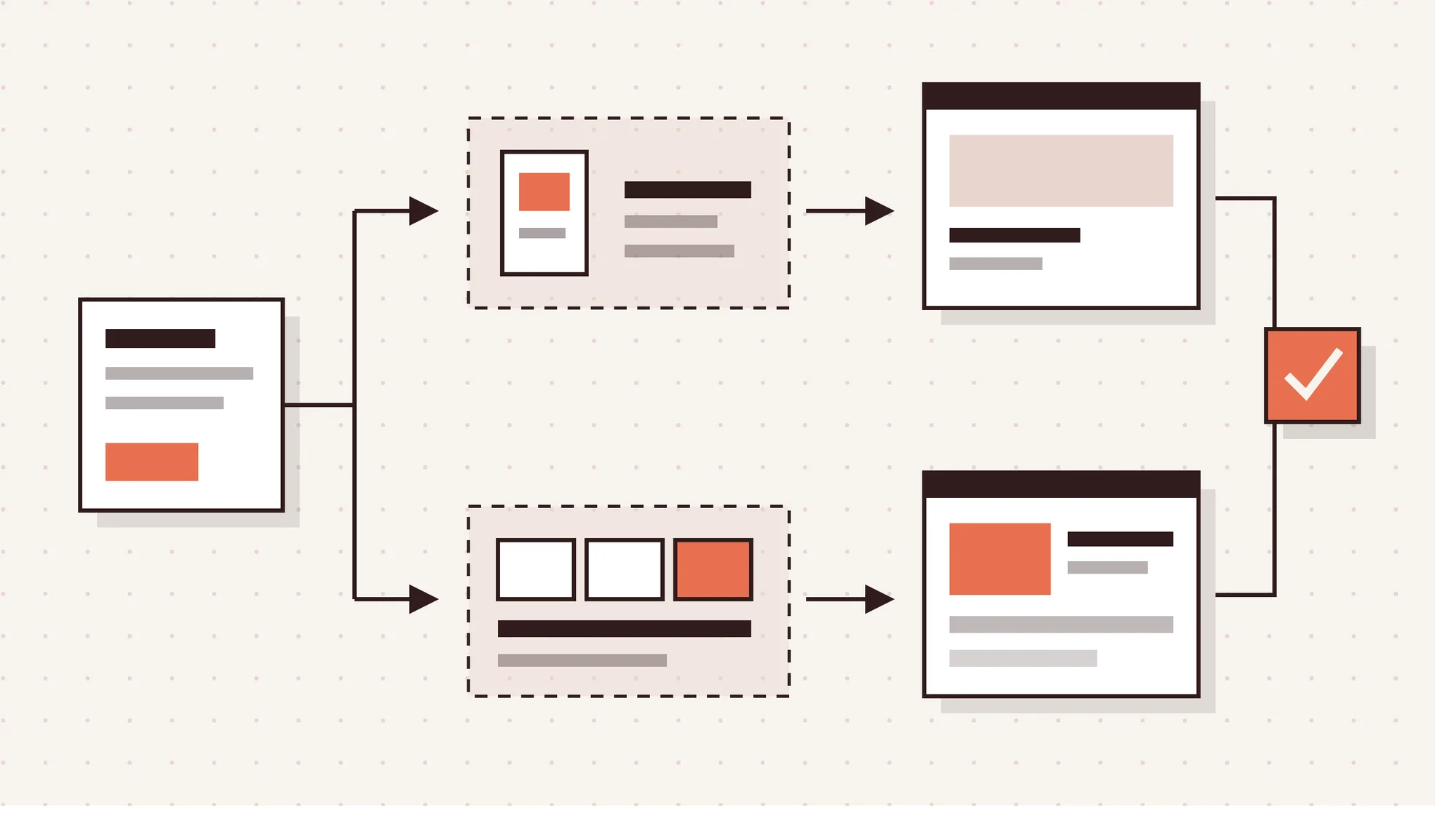
To choose between a freelance designer and an agency, start with your scope, budget and time. Then vet each candidate before you commit to a larger project.
Seven steps to choose between a freelance designer and an agency are given below.
- Define the project scope and deliverables. List every screen, page or asset you need, plus the handoff file formats. A clear scope keeps quotes comparable.
- Set a realistic budget that includes your management time. Count your own hours, not just the designer's fee. A cheap quote that eats ten hours a week may cost more.
- Decide how much time you can give to managing the project. Little spare time points toward an agency. Hands-on teams can manage a freelancer well.
- Review portfolios and case studies in your industry. Look for work at your project's level of complexity. For app projects, a shortlist of the best mobile app design agencies is a good start.
- Check reviews and references. Read Clutch reviews for agencies and Upwork ratings for freelancers. Then call two past clients about deadlines and communication.
- Ask how they use AI and who owns the final files. Find out how a human reviews AI output. Then confirm in writing that you'll get the editable source files.
- Start with a small paid test project. Pay for a short, real task before you sign a large contract. You'll see their quality and communication with little risk.
Is a Design Agency Worth the Higher Cost?
Yes, a design agency is worth the higher cost when a project needs several skills, strategy and continuity. The extra fee buys strategic input, fewer handoffs and a team that keeps your brand consistent. That protects your return on investment when design drives revenue, as an onboarding flow does.
Still, a freelance designer is the better value for small, well-scoped tasks.
Who Owns the Design Files When You Hire a Freelancer or an Agency?
You own the design files only when the contract gives you the rights. By default, the freelancer or agency that created the work usually keeps the copyright.
The U.S. Copyright Office's Circular 30 explains the rule. A commissioned work by an independent contractor counts as a "work made for hire" only in limited cases. The work must fit one of nine categories, and both parties must sign a written agreement saying so.
Outside those conditions, the designer keeps the copyright unless the rights are transferred in writing. So your contract needs a clear IP assignment clause. Also ask for editable source files, such as Figma files, at handoff.
Treat this as general information, not legal advice.
What Happens if a Freelance Designer Disappears Mid-Project?
If a freelance designer disappears mid-project, your timeline stalls and work in progress can go missing. You may also lose unshared files and the project knowledge that lived with that designer.
To protect the project, pay in milestones tied to delivered work. Keep shared access to working files, such as a Figma team space you own. Sign a written contract that covers file delivery and termination.
Agencies lower this risk because another team member can step in with the same files.
Will AI Replace Freelance Designers and Design Agencies?
No, AI will not replace freelance designers and design agencies, because clients still need human judgment. AI isn't replacing the designer, it's replacing the blank page.
The BLS projects graphic designer jobs to decline 2% from 2025 to 2035. Meanwhile, the World Economic Forum's Future of Jobs Report 2025 ranks UI/UX designers among the fastest-growing jobs.
Demand is moving from production toward strategy and product design. In Figma's 2026 AI report, 90% of respondents said design is at least as important as before AI.
How Do Freelance Designers and Agencies Use AI Tools?
Freelance designers and agencies use AI tools mainly to speed up early ideas, drafts and research. In the Fast Company and AIGA survey, 62% of freelance designers used AI often or sometimes. Brainstorming and copywriting were the top uses.
Common ways freelance designers and agencies use AI tools are outlined below.
- Brainstorming and moodboards. Designers use AI to explore early concepts, color directions and moodboards before refining one by hand.
- Drafting copy for mockups. AI writes placeholder headlines and microcopy, so mockups look realistic before final copy arrives.
- Generating asset variations. Teams create size, color and layout variations of one approved design, then review each for quality.
- Prototyping and code. Designers now build working prototypes with AI tools. The AI in Design 2026 report names Claude Code, Cursor and Lovable.
- Research synthesis. AI groups interview notes and survey answers into themes. A designer still checks each insight against the raw data.
Should You Use an AI Design Tool Instead of Hiring a Designer?
No, an AI design tool can't fully replace a designer for most business projects. AI output still needs human strategy, review and accountability.
AI design tools work well for quick drafts, simple assets and early concepts. Brand, product and conversion-focused design needs someone who understands your users and business goals.
Reliability is another concern. Only 32% of respondents in Figma's 2025 AI report said they can trust AI output. We compare the AI vs human designer trade-offs in more depth in a separate guide.
What Are the Alternatives to a Freelance Designer or an Agency?
The main alternatives are design subscription services, white label design agencies, curated talent networks and in-house designers. Each one sits between a freelancer and an agency on cost, control and capacity. Some teams also combine two options in a hybrid model.
What Is a Design Subscription Service?
A design subscription service is a fixed-fee model for ongoing design work, billed monthly. You add tasks to a request queue, and vetted designers work through them asynchronously. Each plan caps your active requests or design hours.
One vendor's published plans ran from $200 to $2,995 per month in June 2026. Treat that as vendor data and check current prices before you sign.
Subscriptions suit teams with steady, ongoing design needs and a preference for predictable cost. They're a poor fit for one-off small jobs.
What Is a White Label Design Agency?
A white label design agency creates design work that another agency delivers under its own brand. Agencies and studios use white label partners to add capacity without hiring more staff.
Panze, for example, works as a white label design agency for websites, mobile apps and SaaS products. Panze has delivered 250+ projects for clients in 30+ countries.
Unlike a single freelancer, a white label partner brings team capacity, project management and continuity. The end client sees only your agency's brand, and retainer support keeps work moving.
Where Can You Find Freelance Designers?
Vet each freelancer's portfolio and references, whichever platform you use.
Popular places to find freelance designers are given below.
- Upwork. A freelance marketplace where you post jobs, compare proposals and pay through the platform.
- Dribbble. A design community for browsing designer portfolios and posting design jobs.
- Behance. Adobe's portfolio platform, where designers share full projects and case studies.
- Contra. A platform where independent designers list their services and portfolios.
- LinkedIn. A professional network for checking work history and recommendations before you reach out.
- Referrals. Ask other founders and developers which designers they trust.
How Do Freelancers and Agencies Compare With In-House Designers?
In-house designers are the third hiring option. They carry the highest fixed cost but give you the most control and brand knowledge.
A fully loaded in-house hire often costs $100,000 to $200,000+ per year. Hiring a senior designer can take 40 to 60 days, plus two to three months of onboarding.
What Is the Difference Between a Freelance Designer and an In-House Designer?
An in-house designer is a salaried employee, while a freelancer gets paid per project. The BLS lists median pay for graphic designers at $62,960 per year as of May 2025. Employee benefits typically add another 20% to 30% on top of that salary.
With a freelancer, you pay only for work done, with no benefits or idle time. But a freelancer splits attention across several clients.
An in-house designer is available every workday and builds deep brand knowledge over time. Choose in-house when you need long-term capacity and full control over priorities.
What Is the Difference Between a Design Agency and an In-House Design Team?
An agency bills per project or retainer, while an in-house design team is a fixed payroll cost. Those fixed costs add up fast. A three-person team with $300,000 in combined salaries can cost $400,000 to $450,000 a year once fully loaded.
An agency also skips the hiring and onboarding time a new team needs. Agencies fit projects with peaks of work, such as a launch or a redesign.
In-house teams suit products that need constant updates and deep product knowledge.
Frequently Asked Questions
Is It Cheaper to Hire a Freelance Designer Than an Agency?
Yes, a freelance designer is usually cheaper than an agency for small projects, because overhead is lower. Freelance rates cover one person, not a full team and an office. Still, your management time and extra revision costs can narrow the price gap.
Is a Freelance Designer or an Agency Better for Startups?
A freelance designer often suits an early-stage startup building a pre-seed proof of concept. Things change once your MVP, or minimum viable product, must retain paying users and scale.
At that stage, an agency or white label team is the safer choice. A roundup of SaaS design agencies can help you compare options.
Do Design Agencies Outsource Work to Freelancers?
Yes, many design agencies outsource work to freelancers and white label partners, because demand rarely stays steady. Outside contractors add extra capacity during busy months and bring specialist skills the core team lacks.
White label partners such as Panze deliver that work under the agency's own brand. Our guide explains how white label product design works, step by step.
Final Thoughts
The freelance designer vs agency choice follows a simple decision rule. Hire a freelance designer for small, well-scoped projects you have time to manage. Hire a design agency for multi-discipline, strategic or ongoing work.
AI raises the bar on both sides, since drafts are cheap and judgment isn't. So hire for strategy and human judgment, not only production speed.
Need a design partner for your agency or startup? Panze offers website design services, mobile app and SaaS design, and white label support. Talk to our team about your next project.