White label product design works like a hidden design team inside your agency. A specialist partner designs SaaS platforms, apps, websites and brands behind the scenes. Your agency delivers the work under its own brand and keeps the client relationship.
The process runs from brief and quote through discovery, UI design and review to developer handoff. Services span SaaS, mobile, web, branding, design systems and AI-assisted design and build. You can bring a partner in per project, on a retainer, as an embedded designer or by subscription.
Every project should end with developer-ready files, from user flows to UI screens and a design system. Pricing usually runs on a partner rate card, and the payoff is design capacity without new hires.
AI now speeds up the work, but senior product designers still decide quality. So the last step, choosing the right partner, matters more than ever.
Quick Summary: White label product design lets a hidden partner design SaaS platforms, apps and websites under your agency's name. The partner moves the project from brief and discovery to developer-ready handoff, while you keep the client. Pricing runs per project, hourly or on a retainer, and AI speeds the work while humans review quality.
What Is White Label Product Design?
White label product design is a service model where a partner designs products your agency sells. The end client sees only your brand, and the partner stays invisible.
On this page, the term means digital products: SaaS platforms, web apps, mobile apps and brands. Some other guides use the same term for physical products designed for manufacturing.
What Is the White Label Product Design Process?
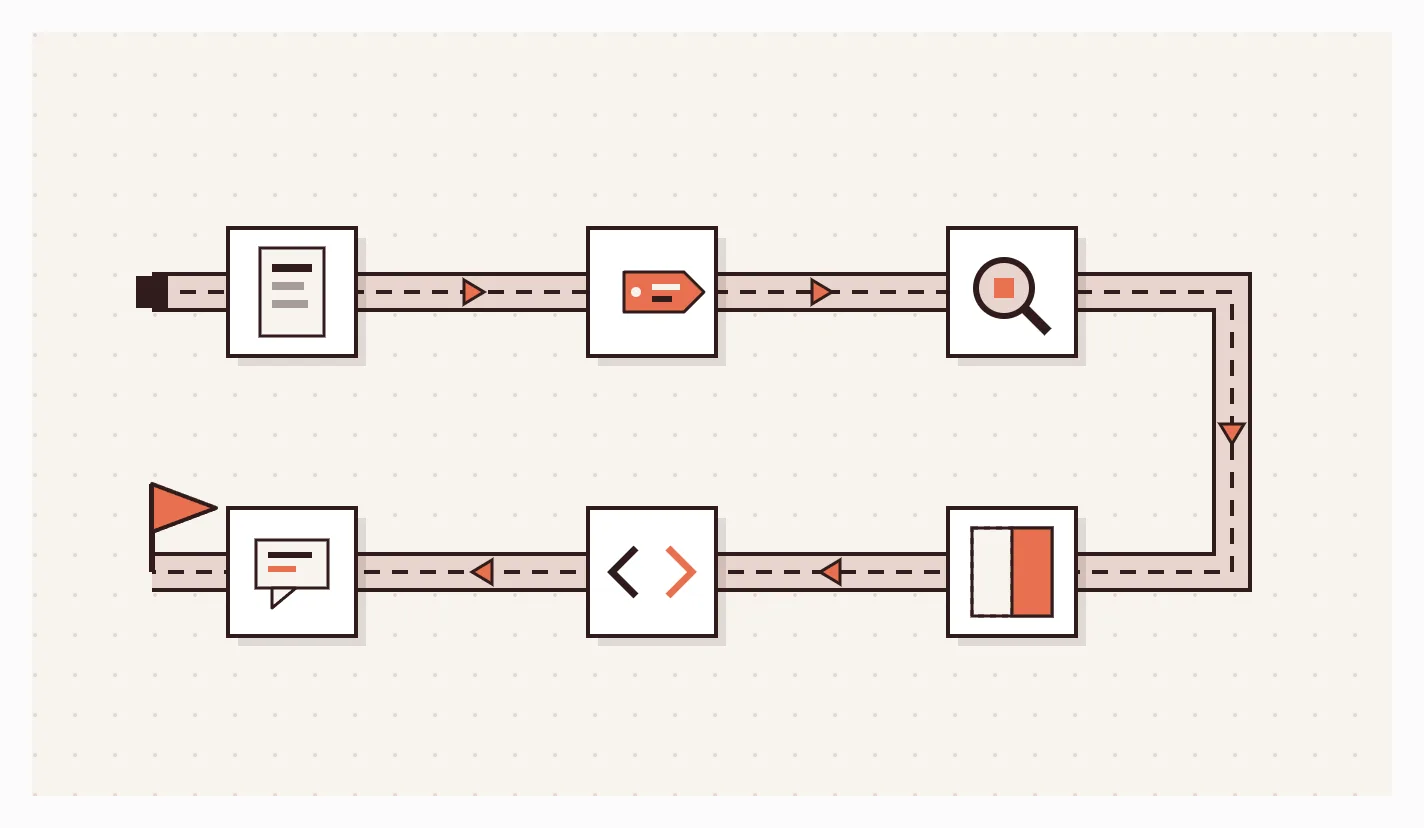
The white label product design process works by moving your sold project from brief to handoff. Your agency keeps the client relationship, while the partner designs everything behind the scenes.
6 steps of the white label product design process are given below.
- Brief and scope review: You send the project brief as sold, whether that's a deck, call recording or notes. The partner runs a scope review and flags risks, gaps and tight deadlines. Then both sides agree on what's feasible before anything gets priced.
- Quote and agreements: The partner sends a fixed partner quote to your agency, never to your client. Both sides then sign an NDA and a partnership agreement. Those documents cover confidentiality, ownership and the portfolio exclusion before work starts.
- Discovery and UX strategy: The partner studies the users, goals and competitors behind the product. Stakeholder research then shapes the information architecture and user flows. Every later screen follows the logic mapped out at this stage.
- Wireframes, UI design and review loops: Wireframes lock the structure first, then high-fidelity UI design adds the visual layer. Each round goes through a feedback loop with your agency. You review, relay client comments and approve before the next stage.
- Developer handoff and file transfer: The partner delivers developer-ready specs, a component library and editable source files. Every file uses your naming and carries your brand. Your developers, or the client's, can build without guessing.
- Support after handoff or the next phase: Questions always come up during the build, so a good partner stays available. You can also bring the partner back for phase two at the same rates. Or you take the files and continue in-house.
All feedback passes through your agency. The partner never contacts the end client unless you introduce it as part of your team.
What Are the Types of White Label Product Design Services?
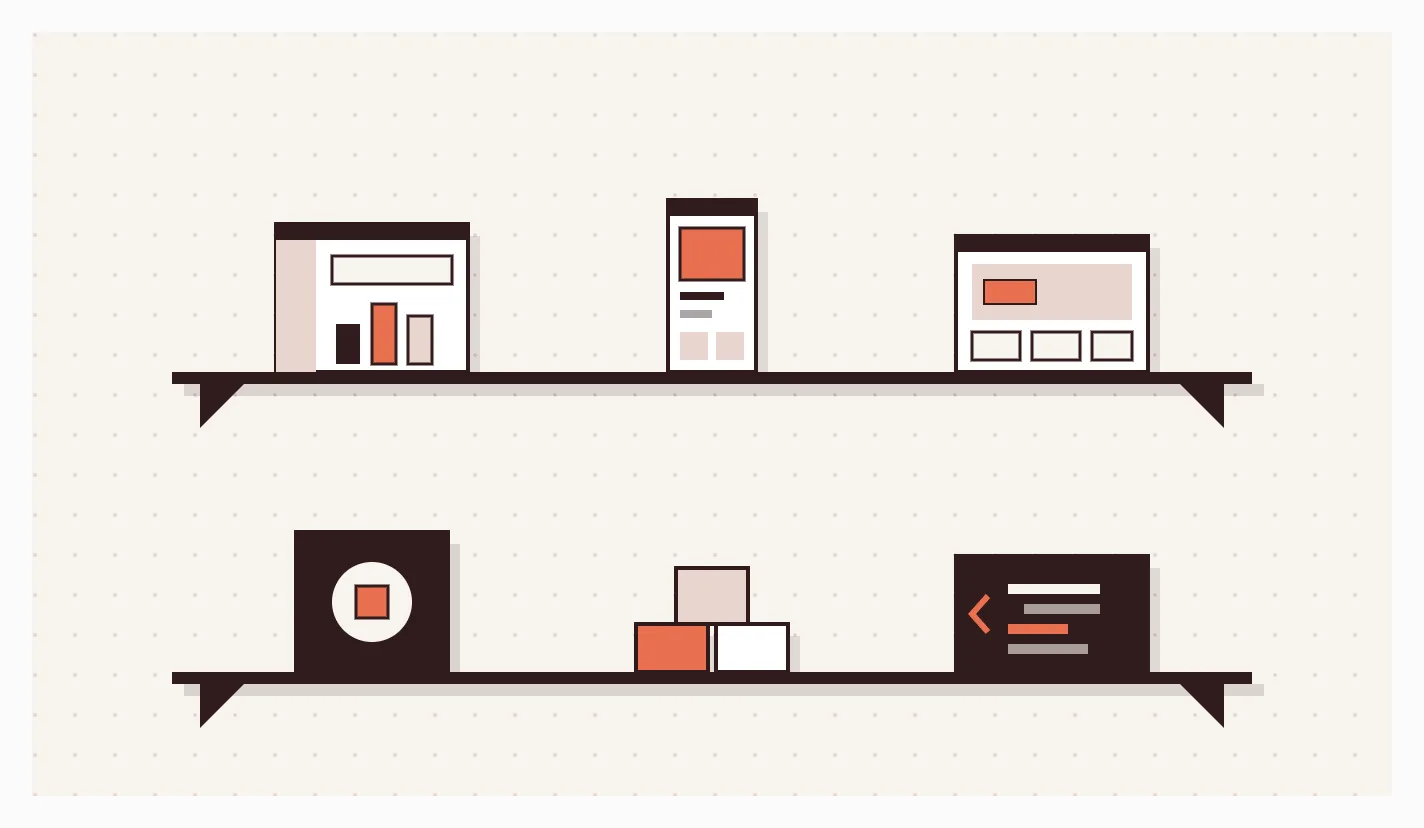
The types of white label product design services cover SaaS, mobile, web, branding, design systems and AI-assisted builds. A strong white label design agency usually offers several of them under one partnership.
The 6 types of white label product design services are outlined below.
- SaaS product design. Partners design dashboards, onboarding flows, settings and admin panels for SaaS platforms and web apps.
- Mobile app design. Native iOS and Android apps follow each platform's conventions, with interaction states and testable prototypes.
- Website UI/UX design. Marketing sites and landing pages combine research-led UX with visual design, delivered ready for developers.
- Logo and branding design. Logos, brand identity systems and guidelines give your team rules to apply after handover.
- Design systems and component libraries. Design tokens, reusable components and documentation keep every screen consistent as the product grows.
- AI-assisted design and build. AI tools help partners move from concept to a working product faster, with design and code together.
What Are the Engagement Models for White Label Product Design?
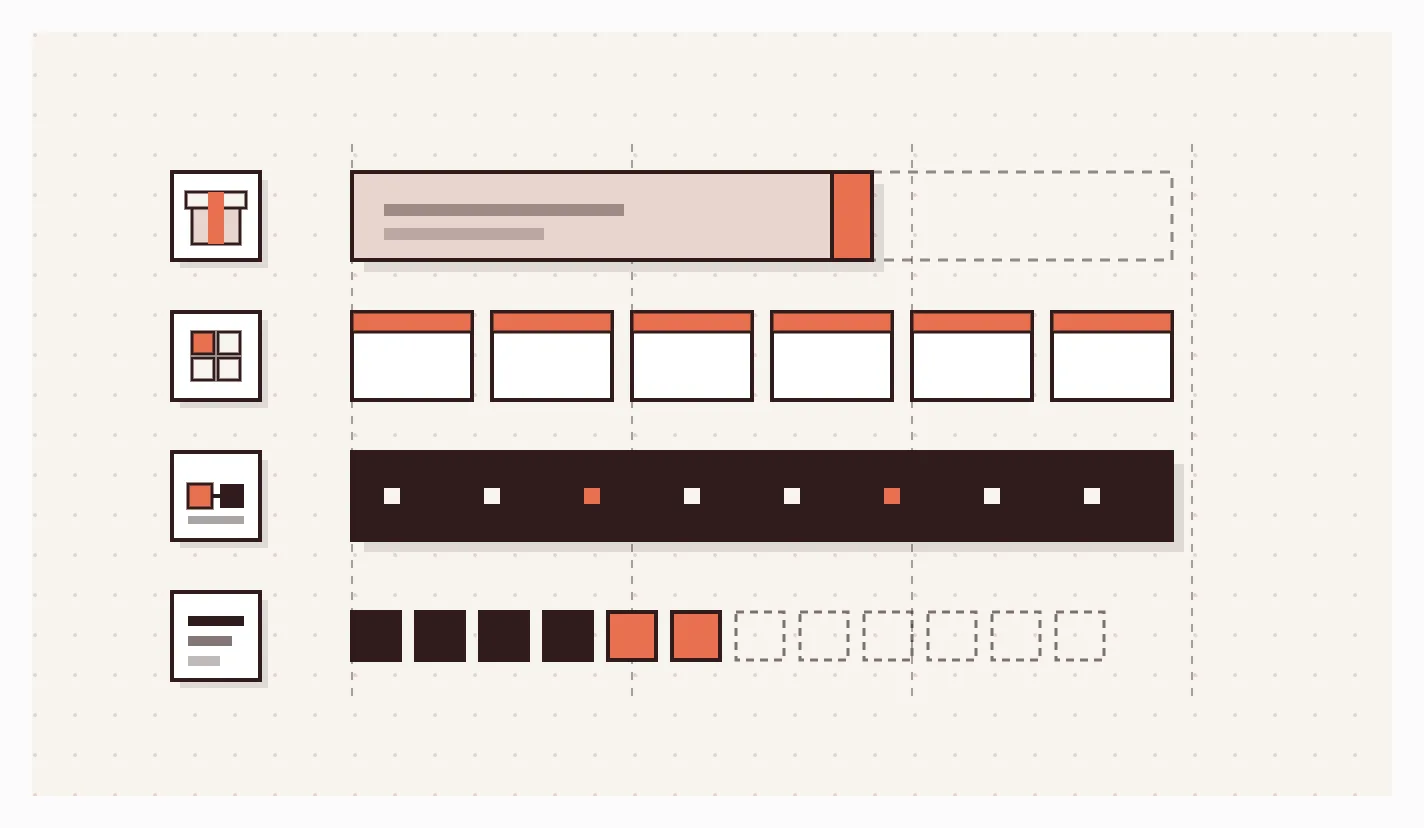
The engagement models for white label product design are per project, monthly retainer, embedded designer and design subscription. Each one suits a different kind of agency pipeline.
4 engagement models for white label product design are shown below.
- Per project. You pay one price for a fixed scope and a fixed window. The model suits agencies that win defined projects, like a redesign, a new app or an identity.
- Monthly retainer. You buy a set amount of senior design time each month. A retainer suits a steady pipeline where work arrives regularly but from different accounts.
- Embedded or dedicated designer. A designer joins your stand-ups and works under your brand like staff. The setup suits long engagements where the client expects the same face every week.
- Design subscription. A flat monthly fee covers a request queue, handled a few items at a time. Subscriptions suit agencies with many small, repeatable tasks rather than complex product work.
What Deliverables Come with White Label Product Design?
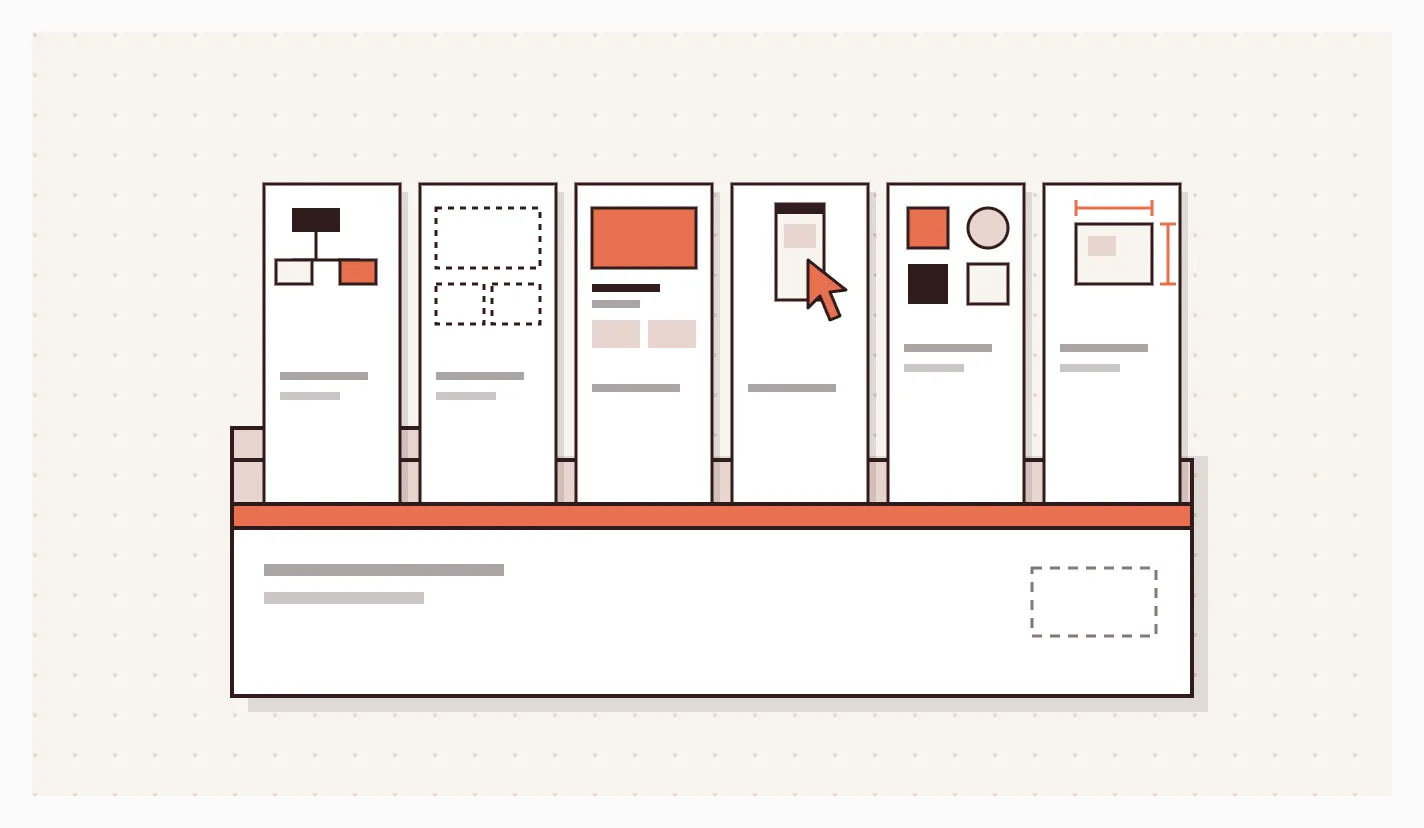
The deliverables of white label product design are research, wireframes, UI screens, prototypes, design systems and source files. Together, they take your team from idea to a build-ready product.
The deliverables of white label product design are given below.
- UX research and user flows. Findings from users and stakeholders become user flows that map every path through the product.
- Wireframes. Low-fidelity layouts settle structure, content and navigation before anyone spends time on visual polish.
- High-fidelity UI screens. Final visual designs cover every screen, including responsive states for desktop, tablet and mobile.
- Interactive prototypes. Clickable prototypes let your client test the product, so feedback comes from real use, not static images.
- Design system and component library. A style guide, design tokens and reusable components keep every future screen consistent.
- Annotated developer specs and editable Figma source files. Specs document spacing, states and behavior, and every Figma file stays fully editable.
Every file carries your agency's brand, not the partner's.
How Much Does White Label Product Design Cost?
White label product design usually costs $15 to $200+ an hour, or a fixed partner quote per project. The exact price depends on scope, complexity, partner seniority and partner location.
Most partners price work in one of four ways: per project, hourly, monthly retainer or design subscription. Per-project quotes suit product work well, since the scope is defined upfront. Offshore partners usually sit at the low end of hourly ranges, and senior specialists at the high end.
The biggest price drivers are screen count, research depth, platforms, design system work and the build. An app for iOS, Android and web costs more than a single-platform app. For app-specific numbers, see this breakdown of app design cost.
Always ask for a written quote that lists screens, platforms and revision terms. That way, scope creep shows up as a change order, not a surprise invoice.
Panze's partner projects start at $1,000 on a separate partner rate card. The quote goes to your agency, with no hidden fees and room for your margin.
Before you price the work for your client, compare it against typical UI/UX design cost for end clients.
What Are the Benefits of White Label Product Design?
The benefits of white label product design are more capacity, variable costs, senior specialists and wider services. Agencies also deliver faster, keep clients longer and free up time to sell.
The benefits of white label product design for agencies are given below.
- Scale design capacity without hiring. Take on a new platform or app the week it's sold. When the project ends, capacity drops back with no salary carried through quiet months.
- Fixed costs become variable costs. Payroll turns into a per-project cost tied to revenue. You stop paying fixed labor costs when the pipeline slows down.
- Access to senior specialists. One in-house hire rarely covers UX research, information architecture, UI systems and accessibility. A white label team brings a specialist for each.
- A wider service offering. Add product design to your service menu instead of referring the client elsewhere. The referral you'd have lost becomes billable work.
- Faster delivery. A partner with an established process often moves faster than a stretched in-house team. Faster turnaround keeps client launches on schedule.
- Stronger client retention. Clients who get strategy, design and build from you have fewer reasons to shop elsewhere. More services per account can mean longer relationships.
- More time for sales and strategy. Your senior people stop pushing pixels. They can focus on account management, pitches and client strategy instead.
How Is AI Changing White Label Product Design?
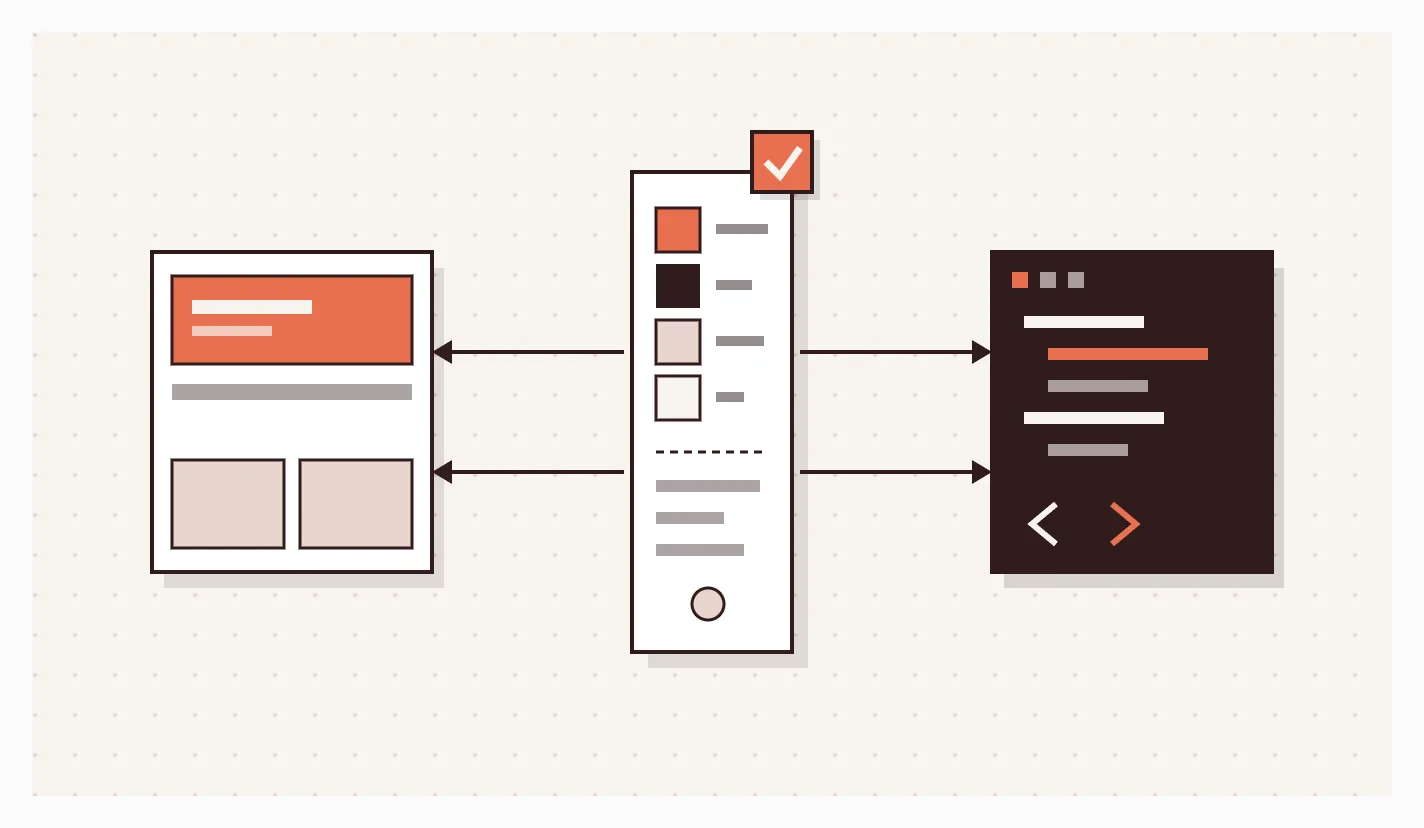
AI is changing white label product design by speeding up production. Human review and craft still decide quality. The shift touches every stage, from first concept to the design-to-code handoff.
5 ways AI is changing white label product design are outlined below.
- Faster exploration and production. Generative AI helps designers explore more concepts and produce screens in less time. Figma's State of the Designer 2026 surveyed 906 designers. Among those who increased AI use, 91% say AI tools improve their designs, and 89% work faster.
- AI agents in the design-to-code handoff. The Figma MCP server gives AI coding agents components, variables and layout data from Figma files. So the generated code reflects how the UI is actually built. Agents can now also create and update Figma designs directly.
- Design and development roles blending. Figma's 2026 AI report found designers taking part in development doubled to 41%. Developers doing design work rose from 44% to 60%. As a result, agencies increasingly want partners that design and build.
- Design systems as the source of truth for AI. Design tokens and component libraries keep AI-generated screens on brand. For example, UXPin Forge generates layouts only from a team's own component library. A token-driven design system is now what keeps AI output consistent.
- Human review as the differentiator. In the same Figma report, 90% say design is at least as important as before AI. When anyone can generate a screen, judgment becomes the scarce part. So senior review of AI output is what agencies really pay for.
Before you sign, ask a partner which AI tools it uses and who reviews the output. Also ask how client data stays protected inside AI tools and how AI changes price and timeline.
Panze uses AI for speed, while senior designers and developers review every screen before delivery. You can see the full workflow on its AI product design page.
How to Choose a White Label Product Design Partner?
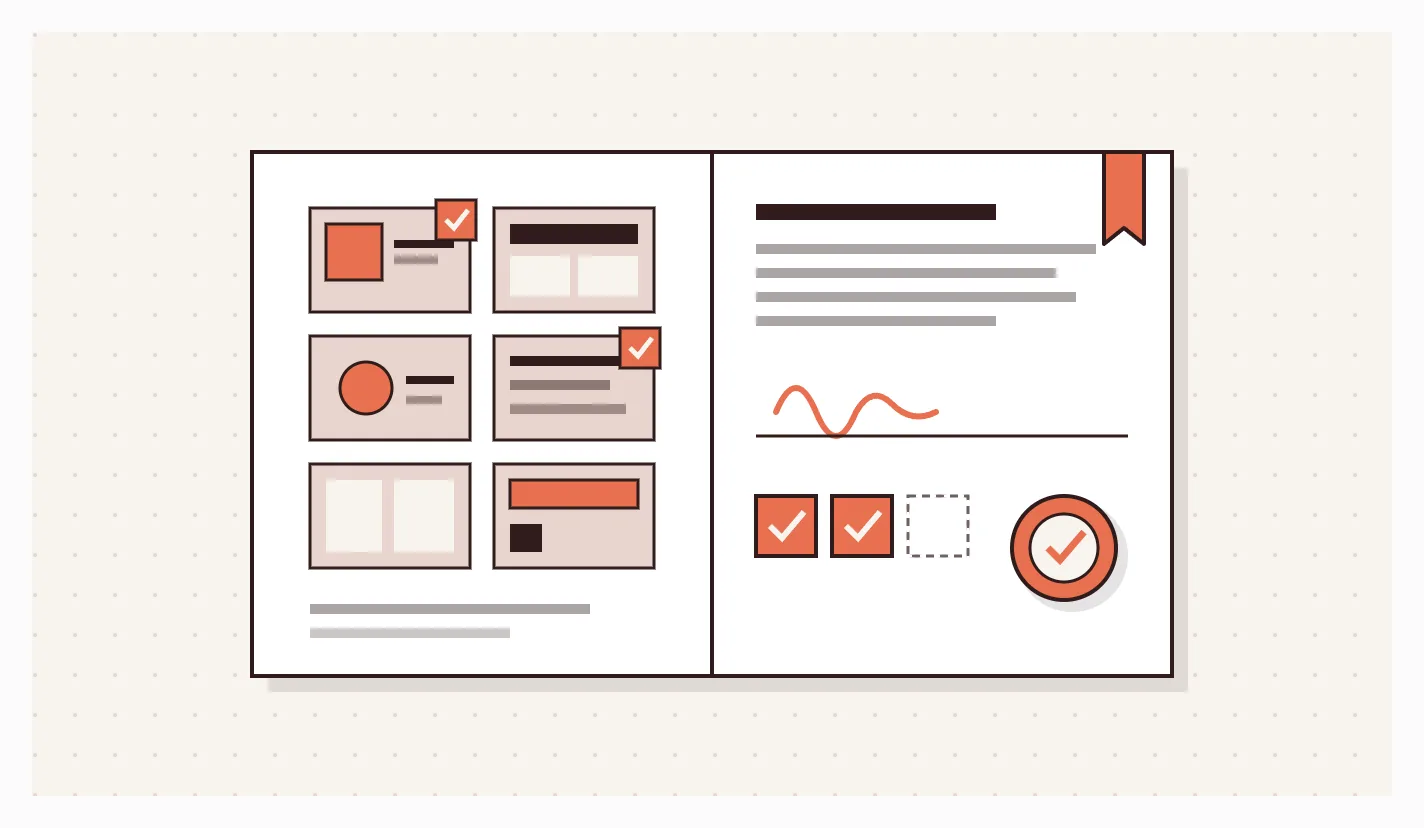
To choose a white label product design partner, check its work, its people, its process and its contracts. Then run a small paid test before you trust a white label design partner with a major client.
7 steps to choose a white label product design partner are given below.
- Check portfolio depth in your product type. Look for SaaS, mobile or marketplace work that matches your client's product. Panze, for example, shows its product design work across fintech, e-commerce and energy.
- Confirm who does the work. The senior designer who scopes the project should also design it, with no hand-off to juniors. At Panze, the founder and lead designer leads partner projects himself.
- Review the process and revision policy. Ask for the steps, milestones and review points on a typical project. Then read the revision policy, since capped revisions can leave you explaining delays.
- Match tools and communication. The partner should work in Figma and your channels, such as Slack. Check time zone overlap and test reply speed during the sales process.
- Get the NDA, IP transfer and non-solicitation terms in writing. A non-disclosure agreement protects client details. The contract should transfer full intellectual property, and a non-solicitation clause stops the partner approaching your client.
- Ask how they use AI and who reviews its output. Find out which AI tools touch your client's files and data. Then confirm that a senior person checks every AI-generated screen before delivery.
- Start with a small paid test project. Pick one real, low-risk deliverable. Then track quality, speed and communication. A paid test shows how the partner handles real deadlines and whether it has capacity.
Who Uses White Label Product Design Services?
Agencies and freelancers who sell product work but can't staff it use white label product design services. Each one keeps the client while a partner handles the design.
The businesses that use white label product design services are listed below.
- Design and branding agencies. Brand work turns into product work, and a partner covers the dashboard or app.
- Development agencies. Engineers get screens and specs to build from, instead of inventing the interface in code.
- Marketing agencies. Campaigns lead to requests for websites and landing pages that a partner can design.
- Consulting agencies. Strategy recommendations become working interfaces that clients can see and developers can build.
- Freelance designers and developers. A contract bigger than one person gets delivered, with no referral lost.
What Does a White Label Product Designer Do?
A white label product designer researches, plans and designs digital products for your clients under your brand. The main tasks are research, user flows, wireframes, UI screens, prototypes, design systems and handoff.
The designer works in your agency workspace and follows your file naming. Updates arrive forward-ready, so you can send them to the client as they are.
For ALPE, an energy marketplace, Panze designed the website, admin portal and buyer, supplier and agent panels.
How Long Does a White Label Product Design Project Take?
A white label product design project usually takes one to two weeks. A larger platform can take two to three months. At Panze, most partner projects finish in 7 to 15 days.
Five factors shape the project timeline: scope, number of screens, research depth, feedback speed and build work. Slow feedback rounds often add more time than the design itself.
So set milestones early. That way, you can give your client a deadline you know the partner can meet.
How Much Can an Agency Mark Up White Label Design?
An agency can usually start with a 1.5x markup on white label design. Established agencies often reach 2x to 3x, especially with premium positioning.
Aim for a 50% to 70% gross margin after partner cost and your project management time. Your white label pricing markup stays private. The partner quotes your agency and never sees your client price.
What Are the Pros and Cons of White Label Product Design?
The main pros of white label product design are scalable capacity, variable costs and specialist skills. The main cons are less control, communication gaps and brand risk.
The pros and cons of white label product design are shown in the table below.
| Pros | Cons |
|---|---|
| Capacity rises with new projects and drops when they end | Quality can vary early on, before shared benchmarks settle in |
| Payroll becomes a per-project cost tied directly to revenue | Feedback runs through your agency, so miscommunication creates rework |
| One team covers UX, UI, design systems and accessibility | Your brand carries the risk when a partner misses a deadline |
| Product design joins your service menu without referring clients away | Without an NDA, a client could discover and bypass your agency |
| An established process often delivers faster than a stretched in-house team | You get less direct control over the partner's process and tools |
What Are the Risks of White Label Product Design?
The risks of white label product design are quality, communication, confidentiality, ownership, delays and unchecked AI work. Each one shrinks with the right process and contracts.
The main risks of white label product design and how to reduce them are outlined below.
- Inconsistent quality. Output may miss your standard at first. Share quality benchmarks and a brief template, then agree on fixed review points.
- Communication gaps and time zones. Details get lost between two teams. Set a shared channel, a response window and a few hours of time zone overlap.
- Confidentiality breach or client poaching. A partner could approach your client directly. An NDA plus a non-solicitation clause turns that into a contract breach.
- Unclear IP ownership. Without an IP assignment, your client may not fully own the product. Put the transfer of full intellectual property in writing.
- Brand damage from partner delays. Clients blame you, not the partner, for late work. Build buffer time into deadlines and track milestones every week.
- AI-generated work without clear review or data handling. Unchecked AI output can ship errors or expose client data. Require AI output review and written data rules.
How Is White Label Product Design Different from Other Design Models?
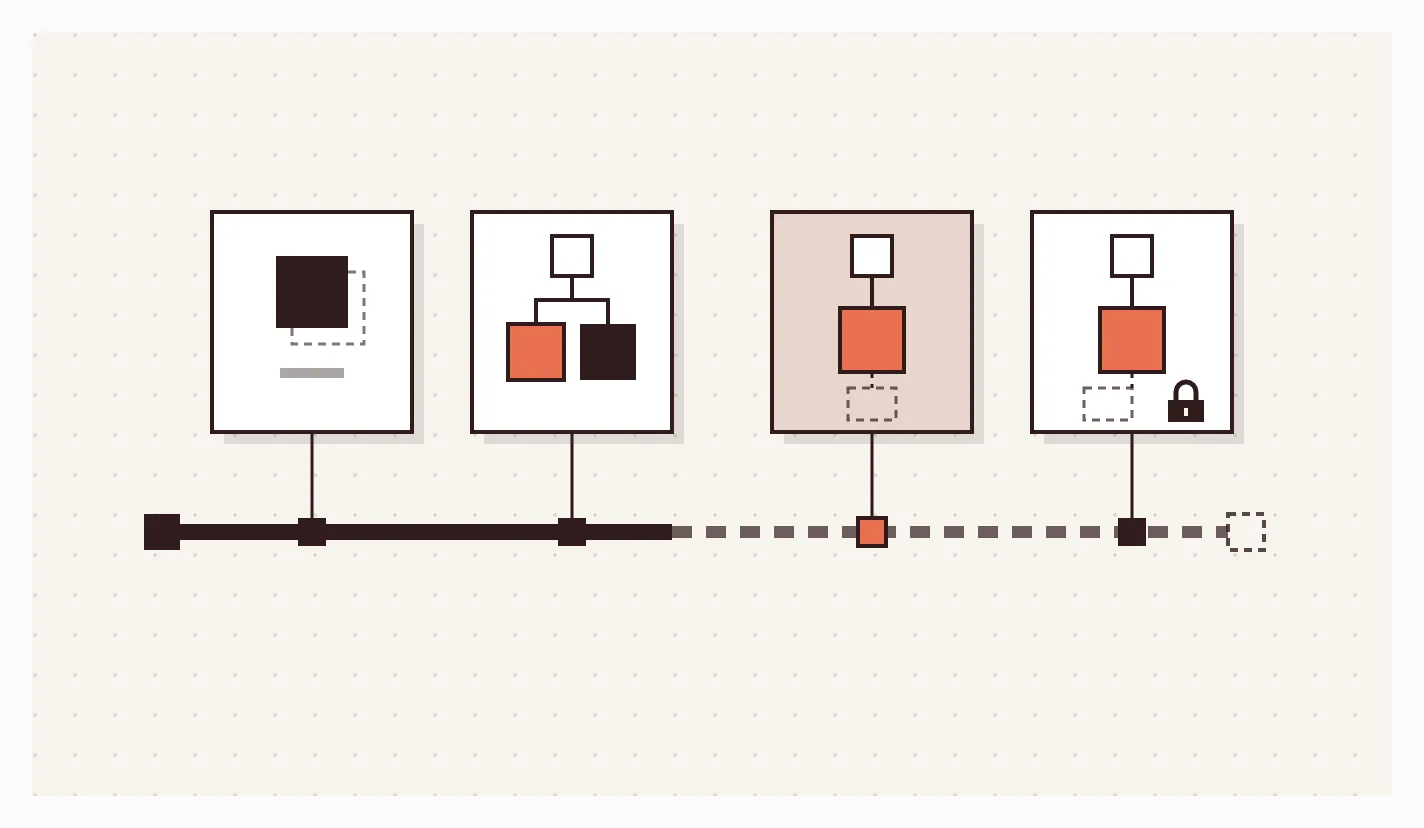
White label differs from other design models in who owns the brand, the client relationship and the process. Attribution is the dividing line, and the comparisons below show where each model draws it.
What Is the Difference Between White Label and Private Label Design?
The key difference is standardization versus exclusivity. White label design usually follows a standardized, repeatable workflow, delivered under the reseller's brand. The same partner can serve many agencies with the same process.
Private label design is more custom. The process and output are built around one seller and often kept exclusive to it. That exclusivity usually comes with premium pricing.
What Is the Difference Between White Label Design and Outsourcing?
The key difference is visibility. In outsourcing, you hand a task to a third party that may be visible to your client. The provider might even join meetings under its own name.
A white label partner stays invisible and delivers under your agency's brand. So you keep task ownership and the whole client experience.
What Is the Difference Between a White Label Design Partner and a Freelancer?
The key difference is structure. A freelancer is one person with their own process, and availability can change month to month.
A white label partner is a structured team with defined accountability. It signs NDAs, stays out of client contact and transfers full IP by contract. So capacity and quality stay steady, even when one designer is away.
Final Thoughts
White label product design lets your agency sell SaaS, app, web and brand work under your own brand. A partner designs behind the scenes, from brief and discovery to developer-ready handoff.
AI now speeds up exploration, production and the move from design to code. But human review still decides whether the work is good enough to carry your name.
That's why partner choice matters more than price. Pick a senior-led team with clear contracts, a proven process and honest answers about AI. Panze works exactly this way for agencies across the US, UK and beyond.
Book a Free 15-Minute Consultation With Panze
Frequently Asked Questions
These are the questions agency partners ask most about contracts, client calls, ownership and design systems.
Is White Label Product Design Legal?
Yes, white label product design is legal because reselling professional services is standard commercial practice. Your agency keeps full contractual responsibility to its client under your service agreement.
Can a White Label Partner Join Client Calls?
Yes, a white label partner can join client calls when you introduce it as part of your team. The designer uses an email address at your agency's domain. Still, staying behind the scenes is the default. You only bring the partner in when a client meeting needs design input.
Will the End Client Know About the White Label Partner?
No, the end client won't know about the white label partner because the setup is built for confidentiality. An NDA and a written portfolio exclusion keep the work off the partner's site. The partner also has no direct client contact. If it joins a call, it joins as your team from an agency domain email.
Who Owns the Design Files in a White Label Project?
Your agency owns the design files once the contract assigns the intellectual property to you. At handover, source files, assets and documentation transfer to you with full ownership and no license fee. Your agency then passes those rights to the client. Unclear ownership causes trouble later, when the client hires another designer or developer who needs the files.
Is White Label Product Design Worth It for Agencies?
Yes, white label product design is worth it for agencies because demand rarely arrives evenly. A trusted partner lets you say yes to product work without idle payroll between projects. But it isn't worth it if your clients never ask for product design. The same goes if steady volume already justifies an in-house hire.
What Is a White Label Design System?
A white label design system is a component library built so one product can carry many brands. Design tokens store colors, type and spacing as named variables. Theme switching then swaps those values, so each buyer gets its own look with minimal code changes. Atomic design principles keep the whole system modular.