SaaS development cost in 2026 runs from $15,000 to $500,000 or more. A simple MVP sits at the low end, and an enterprise platform sits at the top. Most production-ready products land between $60,000 and $200,000.
So why did one vendor quote you $30,000 and another $300,000 for the same idea? Both might be right. Scope, team location, and planning depth change the cost to build a SaaS product more than anything else.
A one-workflow MVP and a multi-tenant platform with compliance needs are different projects. They just share a category. Below, you'll find ranges by tier, stage, and product type, plus the hidden costs most quotes leave out.
SaaS Development Cost at a Glance
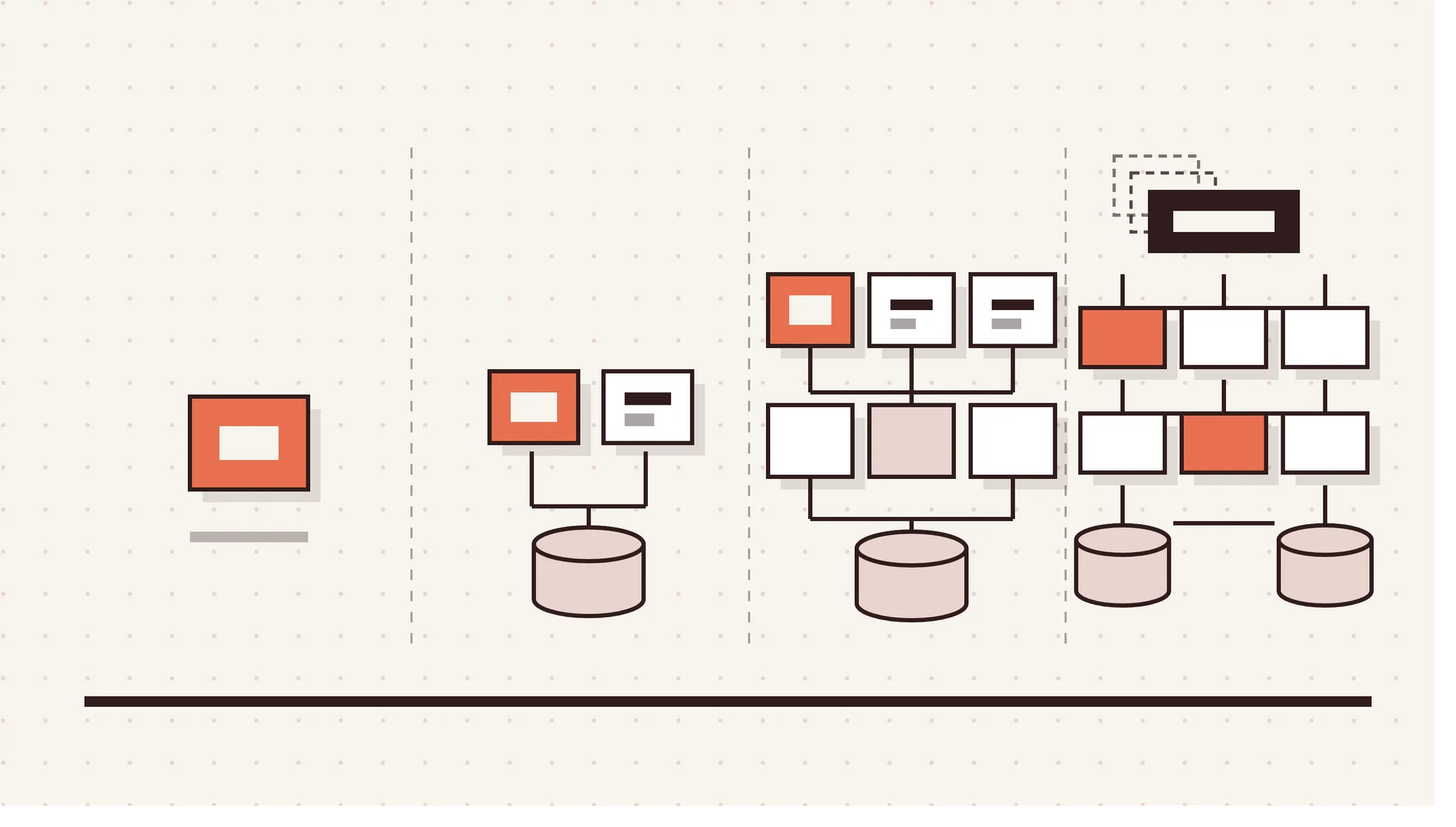
SaaS development cost falls into four tiers, set mostly by scope and complexity. The table below shows each tier's typical cost, timeline, and best fit.
| Tier | Cost Range | Timeline | Best For |
|---|---|---|---|
| Micro / No-code | $1,000 to $8,000 | 2 to 4 weeks | Idea validation only |
| Simple MVP | $15,000 to $60,000 | 1 to 3 months | Early-stage founders |
| Production SaaS | $60,000 to $200,000 | 4 to 8 months | Startups ready to sell |
| Complex / Enterprise | $200,000 to $500,000+ | 8 to 18 months | Scaling companies |
Ongoing maintenance adds 15 to 20 percent of the initial build cost each year. So a $100,000 product needs a $15,000 to $20,000 yearly maintenance budget.
Two developers working three months on a standard MVP usually cost at least $30,000 at mid-market rates. That's the floor, not the ceiling.
What Drives the Cost to Build a SaaS Product?
Six factors drive the cost to build a SaaS product: scope, design, team location, tech stack, compliance, and timeline. Scope matters most, but each one can move your budget by tens of thousands of dollars.
Scope and Feature Complexity
Scope is the single biggest cost driver, because more features mean more hours. A login, a dashboard, and one core workflow might cost $40,000. Add real-time collaboration, custom reporting, and role-based permissions, and it can reach $200,000.
These features quietly inflate a SaaS development budget:
- Multi-tenant architecture, where each company's data stays separate
- Custom onboarding flows and in-app tutorials
- Advanced analytics and reporting dashboards
- Real-time notifications and collaborative editing
- Integrations with tools like Stripe, Salesforce, or Zapier
Each one is legitimate, and each one adds weeks. Build what proves the product works, then let paying customers shape the roadmap.
SaaS UI/UX Design Quality
SaaS UI/UX design typically costs $5,000 to $100,000 or more, depending on depth. Users churn fast when an interface confuses them, and extra features won't fix that.
Design isn't decoration. It decides whether a user gets your product in two minutes or closes the tab.
The table below shows what each design level usually includes.
| Design Level | What's Included | Cost Range |
|---|---|---|
| Basic | Minimal screens, standard UI components, limited customization | $5,000 to $15,000 |
| Mid-level | Custom UI, thoughtful UX flows, branded experience | $15,000 to $40,000 |
| Complex | Full design system, every screen crafted, interaction design | $40,000 to $100,000+ |
Finished designs also lower development cost. When screens and flows are locked, developers build instead of guessing. A change made in Figma takes minutes, while the same change in live code can take days.
For a full breakdown of design pricing, see our guide to UI/UX design cost.
Team Location and Hiring Model
Team location can triple your SaaS development cost for the same scope. Hourly rates vary widely by region, as the table below shows.
| Region | Average Hourly Rate |
|---|---|
| North America | $100 to $200 |
| Western Europe | $75 to $150 |
| Central / Eastern Europe | $40 to $80 |
| Asia / South Asia | $20 to $50 |
A 2,000-hour project costs $300,000 at $150 an hour and $100,000 at $50 an hour. But lower rates can bring slower work or more revisions, so the math isn't that simple.
Many teams pair a product lead in their own timezone with a delivery team in a lower-cost region.
Technology Stack
A popular, well-documented stack keeps both upfront and long-term costs lower. The MERN stack, built on MongoDB, Express, React, and Node.js, is a common choice. More developers know it, so hiring is easier and fixes are faster.
No-code tools like Bubble or Webflow can launch a micro-SaaS for $1,000 to $8,000. But they hit a ceiling once you need custom logic, complex integrations, or real scale.
Cloud platforms like AWS, Google Cloud, and Azure also bill by usage. That bill grows with your user base, which the hidden costs section covers below.
Security and Compliance
Compliance adds real cost if you handle health, financial, or personal data. Frameworks like HIPAA, GDPR, and SOC 2 shape how you store and protect data.
Build encryption, role-based access, and audit logs in from day one. Adding them to an existing codebase later costs far more, because you're reworking code that already ships.
Timeline Pressure
A rushed timeline raises cost, because speed means a bigger team working in parallel. Bigger teams add coordination overhead and leave less time for testing.
Set a realistic timeline and protect it. Scope creep, not slow developers, is what usually breaks deadlines.
How Much Does Each SaaS Development Stage Cost?
Each development stage carries its own cost, from $1,500 for discovery to $50,000 or more for backend work. Founders who budget only for coding are the ones who get surprise invoices. The table below covers each stage of a typical build.
| Stage | Cost Range |
|---|---|
| Discovery and requirements | $1,500 to $10,000 |
| UI/UX design | $5,000 to $50,000+ |
| Frontend development | $14,000 to $40,000 |
| Backend development | $16,000 to $50,000 |
| QA and testing | $5,000 to $20,000 |
| Deployment and DevOps setup | $4,000 to $15,000 |
| Annual maintenance | 15 to 20% of build cost |
Backend work usually costs more than frontend. It covers the logic, databases, authentication, and APIs that keep the product running under load.
Discovery and design are the cheapest stages in which to change course. Skip them, and you pay for the same decisions later in developer hours.
How to Estimate Your Own SaaS Development Budget
To estimate your SaaS development budget, multiply estimated hours by the blended hourly rate, then add a buffer. Use this simple formula:
Build cost = total hours × blended hourly rate + a 10 to 20 percent contingency
Say your MVP needs 1,000 hours from a team billing a blended $60 an hour. That's $60,000, plus a buffer of $6,000 to $12,000. Then budget yearly maintenance on top.
Get hour estimates from at least two vendors working from the same written scope. Quotes based on a vague brief can't be compared.
Which Pricing Model Fits Your SaaS Build?
Fixed price suits a tightly defined scope, while time and materials suits a scope that will change. The table below compares the four common models.
| Model | How It Works | Best For | Main Risk |
|---|---|---|---|
| Fixed price | One agreed price for a defined scope | MVPs with locked requirements | Change requests cost extra |
| Time and materials | You pay for hours actually worked | Evolving products | Budget can drift |
| Dedicated team | A team works only on your product, billed monthly | Long builds and scaling | Higher monthly commitment |
| Monthly retainer | Set monthly hours or deliverables | Ongoing design or iteration | Unused hours may not roll over |
Panze, for example, uses project-based pricing for design work. Fixed-price plans start at $500, and agencies can choose a monthly retainer.
SaaS Development Cost by Product Type
Product type sets your baseline, from $25,000 for a simple HR tool to $500,000 or more for fintech. The ranges below show typical builds in each category.
| SaaS Type | Estimated Build Cost |
|---|---|
| CRM | $30,000 to $150,000 |
| Project management tool | $40,000 to $180,000 |
| eCommerce platform | $50,000 to $250,000 |
| LMS / EdTech | $40,000 to $200,000 |
| HR / People ops tool | $25,000 to $120,000 |
| FinTech / Payments SaaS | $100,000 to $500,000+ |
| AI-powered SaaS | $80,000 to $400,000+ |
AI-powered SaaS usually costs 20 to 40 percent more than a comparable non-AI product. Model integration, infrastructure, and ongoing tuning all add to the bill.
AI products also need more design work. When output changes for each user, the interface has to handle edge cases a static product never sees.
AI also changes how products get built. Some teams use AI-assisted design and development to speed up routine work, with senior people reviewing every output. That shortens timelines, but it doesn't replace architecture or testing.
What Hidden Costs Should You Budget For?
The biggest hidden costs are scope creep, poor design, technical debt, scaling, and compliance. None of them show up on a typical vendor quote.
Scope Creep
Scope creep is the most common hidden cost, and the most avoidable. Features added mid-build stretch timelines and inflate budgets without anyone flagging it.
Lock scope before development starts. Send new requests to the backlog, not the current sprint.
Poor UX Design
Poor design is the most expensive hidden cost, because it shows up everywhere after launch. Developers read vague wireframes differently and rebuild screens. Confusing onboarding drives early churn, and support tickets pile up.
Redesigning a live product also means rewriting shipped code and retraining users. Getting SaaS UI/UX design right before development is far cheaper than fixing it after.
Technical Debt
Technical debt is the cost of shortcuts taken to ship faster. The debt stays invisible at first. Later, a feature that took two weeks starts taking six.
Experienced developers and clean architecture work as insurance against that slowdown.
Scaling Infrastructure
Hosting costs grow with your users. An early MVP might run $100 to $300 a month in hosting. A product with tens of thousands of daily users can reach $3,000 to $8,000 a month.
Plan your architecture for scale early, even if you don't need it yet.
Compliance and Legal
Regulated products typically need $20,000 to $80,000 more for compliance, depending on the framework. That covers legal reviews, security audits, and penetration testing.
Third-Party Services
Third-party services add monthly fees that scale with usage. Email delivery, authentication, error monitoring, and analytics tools each bill separately.
Payment processors also take a fee on every transaction, so check Stripe's pricing when you model revenue.
Marketing and Customer Acquisition
Marketing never appears on a development invoice, but it's part of getting to revenue. A conservative early budget is $2,000 to $5,000 a month.
A great product nobody hears about is just expensive software on a server.
Should You Hire a SaaS Design Agency or Build In-House?
For most early-stage founders, a SaaS design agency is faster and cheaper than an in-house team. In-house makes more sense after product-market fit. The table below compares both options.
| Factor | Design Agency | In-House Designer |
|---|---|---|
| Cost | Typically $15,000 to $60,000 per SaaS UI/UX project | Typically $90,000 to $130,000 yearly salary, plus benefits |
| Speed to start | Immediate, with an existing process | Weeks to months of hiring and onboarding |
| Expertise | Patterns from many products and industries | Deep context on one product |
| Best stage | MVP and early growth | After product-market fit |
| Main trade-off | Attention shared across clients | Ongoing cost even in quiet periods |
The practical path is to work with an agency first, then hire in-house once the design system exists. Your first designer then inherits a working system instead of starting from zero.
How Can Agencies Quote SaaS Builds Without Hiring Designers?
Agencies can quote SaaS builds without new hires by working with a white label design partner. The partner designs under your agency's brand, and your client works only with you.
If the model is new to you, start with what a white label design agency does and how it fits into delivery.
The setup works well for SaaS projects. Your team keeps the client relationship and strategy, while senior product designers handle dashboards, onboarding flows, and design systems.
Before you commit, it helps to see how white label product design works, from brief to developer handoff. Panze works this way as an extension of agency teams, and most projects take 2 to 8 weeks.
How to Reduce SaaS Development Cost Without Cutting Corners
You reduce SaaS development cost by deciding more before development starts. These six steps keep the budget in check without lowering quality.
- Run a discovery phase first. Discovery costs $1,500 to $10,000 and settles what you're building before any code exists.
- Finish design before development. Reviewed Figma screens mean developers build instead of interpreting.
- Start with an MVP. Build the one workflow that proves value, then add what paying users ask for.
- Outsource with oversight. Central and Eastern Europe and parts of Asia offer strong quality at lower rates. Keep a senior reviewer close to the work.
- Use proven tools. React, Node.js, PostgreSQL, and Auth0 are mature and well-documented.
- Test early. Bugs caught in QA are much cheaper to fix than bugs your users find.
Plan Your SaaS Development Cost Around a Clear Design
Your SaaS development cost depends on scope, design, team, and planning more than anything else. A custom MVP typically costs $15,000 to $60,000, and production products run $60,000 to $200,000.
Projects that run over budget usually share three traits: unclear scope, skipped design, or features added mid-build. A clear design with tested user flows becomes your development blueprint, and fewer surprises reach the invoice.
Want the design side settled before development starts? Explore our SaaS product design services and tell us what you're building.
Frequently Asked Questions
How much does it cost to build a SaaS product?
Building a SaaS product costs $15,000 to $500,000 or more. Simple MVPs sit at the low end, and enterprise platforms sit at the top. Scope, team location, and planning depth decide where you land.
What is the cost of a SaaS MVP in 2026?
A custom-coded SaaS MVP costs $15,000 to $60,000 in 2026. A no-code MVP built on Bubble or Webflow costs $1,000 to $8,000. No-code is faster but limits custom logic and scale.
How much more does an AI-powered SaaS cost?
An AI-powered SaaS typically costs 20 to 40 percent more than a comparable non-AI product. Model integration, infrastructure, and more complex UX drive the increase.
What is the most expensive hidden cost in SaaS development?
Poor UX design is usually the most expensive hidden cost. It causes developer rework, weak activation, and early churn. Scope creep is the most common hidden cost, but it's easier to prevent.
Is it cheaper to hire a design agency or build in-house?
Hiring a design agency is usually cheaper at the MVP stage. You pay for a defined project instead of a yearly salary and benefits. In-house hiring makes sense once product-market fit justifies continuous design work.
How long does it take to build a SaaS product?
A simple MVP takes 1 to 3 months to build. A production-ready product takes 4 to 8 months, and enterprise platforms take 8 to 18 months. Finishing design before development keeps those timelines realistic.