Your agency just won a big project, but your designers are booked for weeks. A white label design agency closes that gap. The partner works behind the scenes and delivers design under your agency's brand.
Your client sees your logo, your team and your invoice. The partner hands over unbranded, developer-ready files. You win the work, brief the partner, review the output and present it as your own.
Most partners cover UI/UX, websites, mobile apps, branding and marketing design. Marketing agencies, developers, consultants and freelancers use them to scale without hiring. Pricing runs per project, by monthly subscription, by the hour or through an embedded designer.
Entry plans start around $499 a month, far below the cost of a full-time hire. The payoff is more capacity, wider services and better margins. You'll also see how AI-assisted workflows are changing the work and how to pick a partner.
What Is a White Label Design Agency?
A white label design agency is a third-party partner that designs work your agency delivers under your brand. The term "white label" comes from unbranded products that a reseller labels and sells as its own.
Design works the same way. The partner creates the work, then you rebrand and resell it. Your client never sees the provider.
Your agency owns the client relationship from start to finish. The partner simply does the design work behind the scenes.
How Does a White Label Design Agency Work?
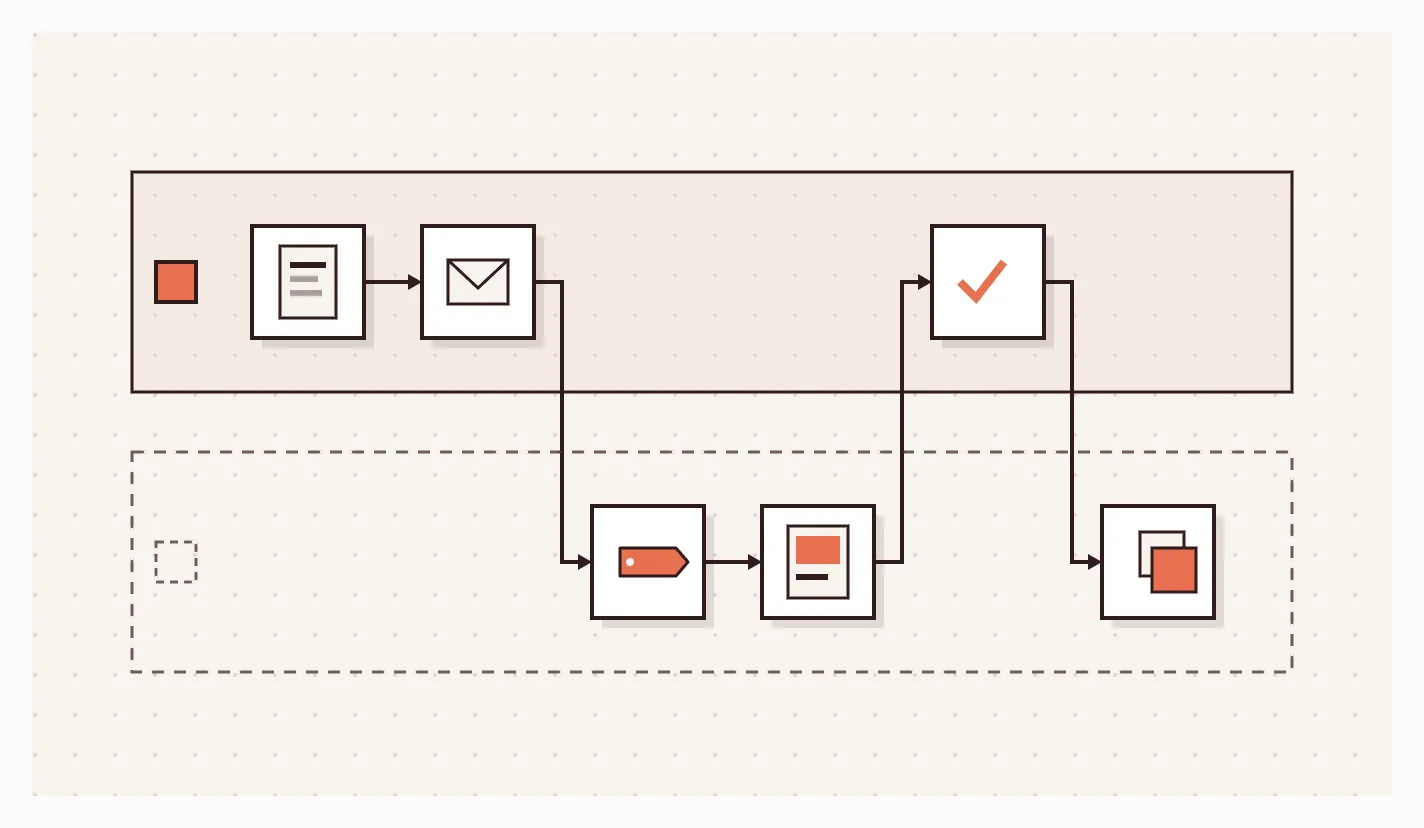
A white label design agency works by designing projects your agency has sold, under your brand. You keep the client, and the partner handles production from brief to handover. Every white label design process follows a similar loop.
6 steps of how a white label design agency works are given below.
- The agency wins and scopes the client project. You close the deal and define what the client needs. Then you gather the client brief, brand assets, deadlines and technical limits. A clear scope at this stage prevents most problems later.
- The agency briefs the white label partner. You share the scope, files and goals with your partner. Both sides usually sign a mutual NDA before any client details change hands. A good partner runs a scope review and flags risks early.
- The partner quotes a fixed scope on a partner rate card. The quote goes to you, not your client. It covers a fixed scope and a fixed delivery window. You then add your markup and set the client price yourself.
- The partner designs inside the agency's tools and brand. Designers work in your workspace and follow your file naming. Updates arrive forward-ready, so you can pass them on without edits. Nothing the client sees carries the partner's name.
- The agency reviews, relays revisions and presents to the client. You check the work against the brief and your quality bar. Then you present it and collect client feedback. The partner handles each revision round you send back.
- The partner hands over source files and full ownership. At the end, you receive editable source files, specs and assets. Ownership transfers to your agency in writing. You can then pass everything on to your client.
Throughout the project, the end client only ever deals with your agency.
What Services Does a White Label Design Agency Offer?
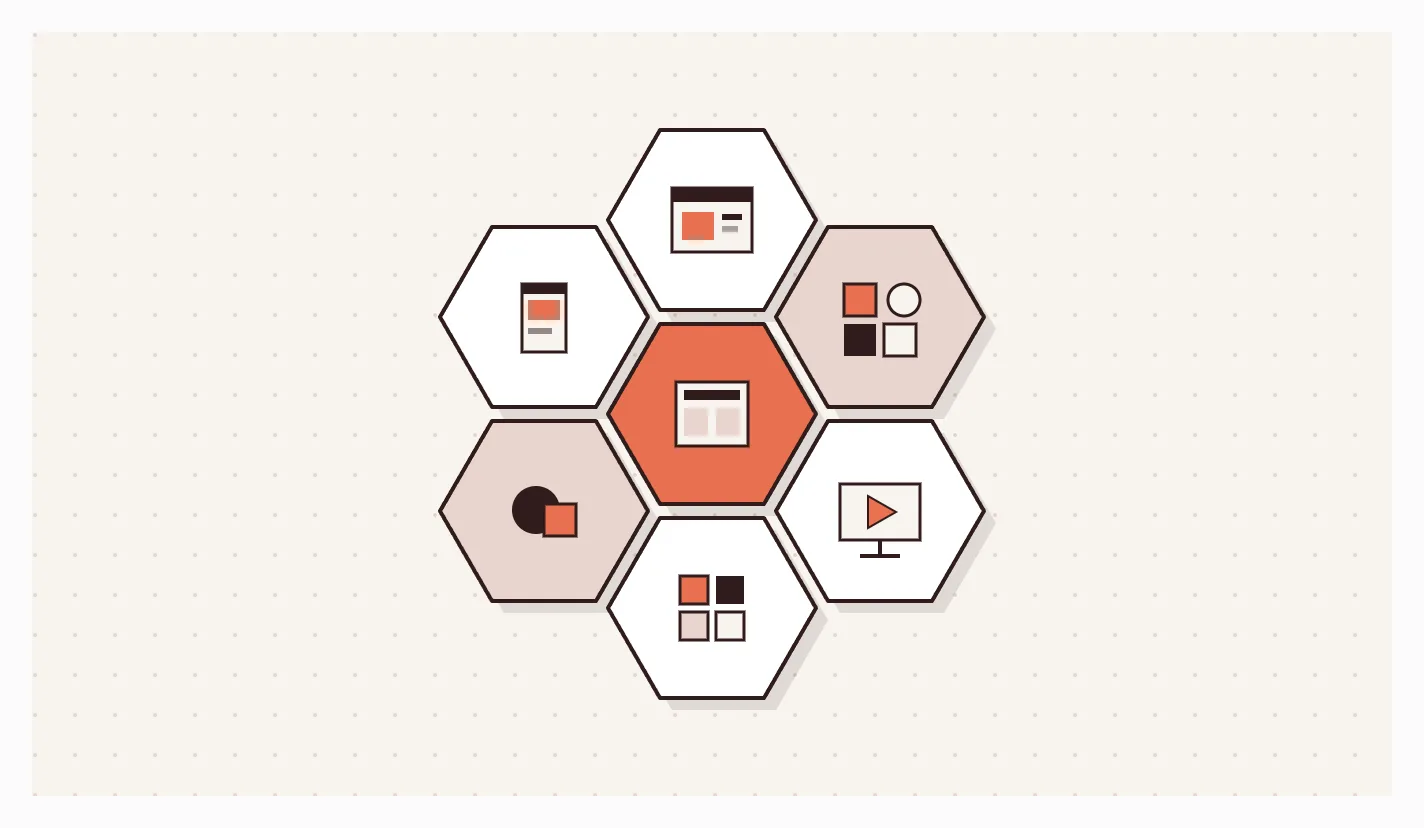
The services a white label design agency offers are product, web, mobile, brand, marketing, presentation and system design.
7 services a white label design agency offers are given below.
- UI/UX and product design. Partners design SaaS dashboards, onboarding flows, web apps and admin panels that users learn quickly.
- Website and landing page design. Marketing sites, landing pages and redesigns are built to convert and delivered ready for your developers.
- Mobile app design. Partners create native iOS and Android app interfaces, user flows and prototypes your client can test.
- Logo and brand identity design. You get logos, visual identity systems and brand guidelines your team can apply after handover.
- Marketing and graphic design. Social media graphics, ad creatives and campaign assets arrive at the volume agencies need each month.
- Presentation, motion and video design. Pitch decks, sales presentations, explainer videos and animation all match your client's brand.
- Design systems and developer handoff. Component libraries, Figma files and annotated specs keep every screen consistent through the build.
Some white label design agencies also build what they design. That can include web development plus iOS and Android apps. Panze offers white label design services for SaaS, web, mobile and brand projects, plus the build.
For Vezmo, a business payments platform, Panze kept the portal, admin dashboard, mobile app and website consistent.
Who Uses a White Label Design Agency?
The businesses that use a white label design agency are agencies, consultancies and freelancers short on design capacity. Each one keeps the client and hands the design work to a partner.
The businesses that use a white label design agency are outlined below.
- Marketing and advertising agencies. A good campaign often leads to requests for websites and landing pages at volume. A partner lets you say yes instead of referring the work away.
- SEO and paid media agencies. Rankings and ads only convert when the pages look right. A white label partner redesigns weak pages so your campaigns perform better.
- Web development agencies. You have engineers but no designs. A partner hands over screens, component libraries and specs, so developers stop inventing the interface in code.
- Branding and design studios. Brand work often turns into product work, like a dashboard or an app. A partner covers that new discipline without a new hire.
- Consulting firms. Strategy lands harder with working interfaces attached. A partner turns your recommendations into screens clients can see and developers can build.
- Freelance designers, developers and marketers. Sometimes a contract is bigger than one person. A partner adds overflow capacity under your name, so you stop turning work away.
How Much Does a White Label Design Agency Cost?
A white label design agency costs about $499 to $1,500 a month on entry subscription plans. Enterprise providers can charge $10,000 a month or more.
Per-project pricing is just as common. A simple five-page website runs about $800 to $2,500. A custom e-commerce build costs $5,000 to $20,000 or more.
A brand identity package usually lands between $2,000 and $5,000. For end-client benchmarks, see this breakdown of website design cost.
The final price depends on scope, complexity, service type, designer seniority, provider location and turnaround speed.
The U.S. Bureau of Labor Statistics puts the median graphic designer wage at $61,300 for May 2024. That's before benefits, software and management time.
So your white label design cost scales with the work, not with payroll. Panze's partner projects start at $1,000, quoted to your agency rather than your client.
What Are the Pricing Models of White Label Design Agencies?
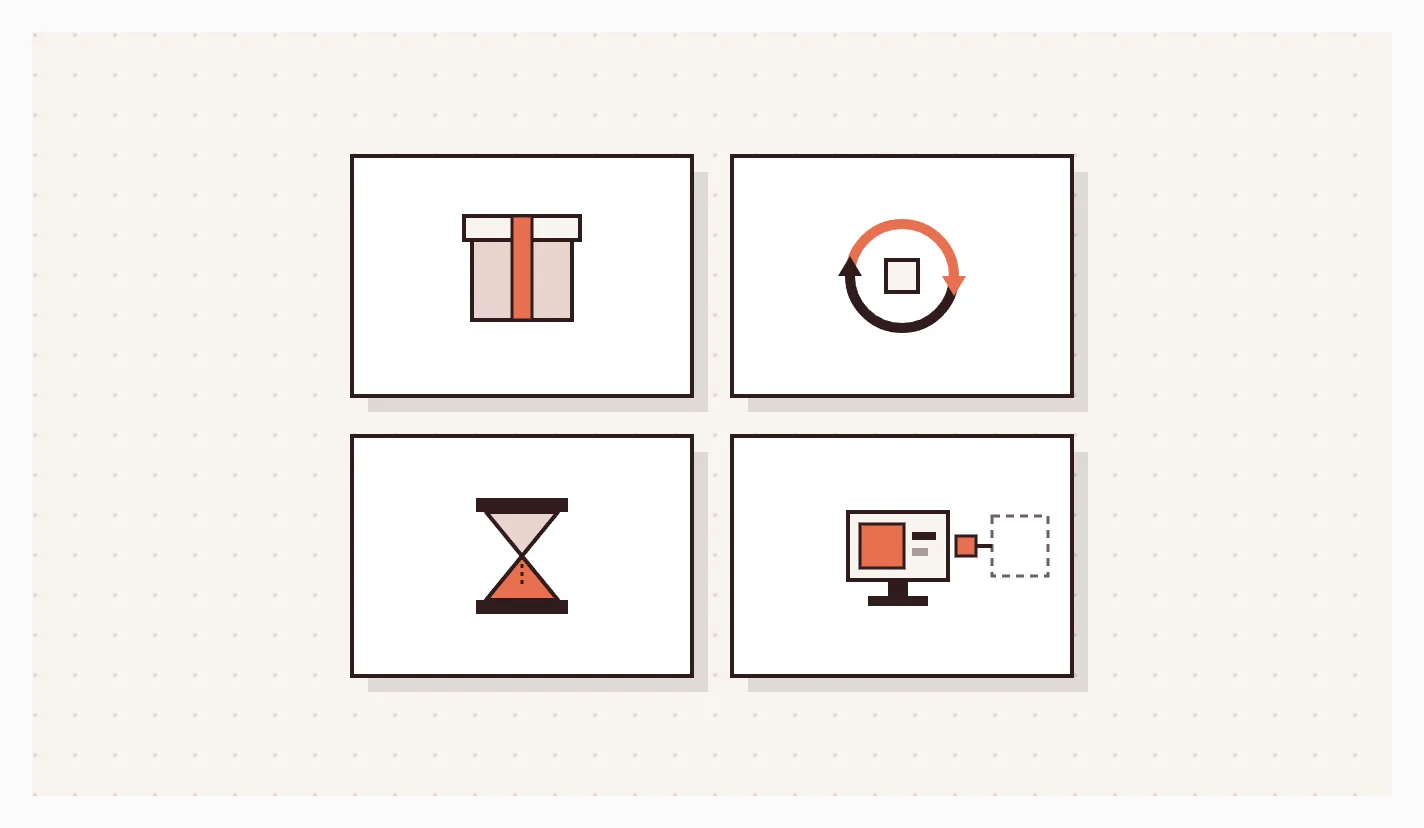
The pricing models of white label design agencies are per project, monthly subscription, hourly and embedded designer. Each model fits a different kind of workload.
4 pricing models of white label design agencies are compared in the table below.
| Pricing model | How it works | Typical cost | Best for |
|---|---|---|---|
| Per project | Fixed price for a fixed scope and window | $800 to $2,500 for a simple website | Defined deliverables |
| Monthly subscription or retainer | Flat monthly fee for set requests or design hours | $499 to $5,000 a month, enterprise $10,000+ | Steady volume |
| Hourly | You pay for the design hours used | $15 to $200+ an hour | Undefined or ongoing scope |
| Embedded or dedicated designer | A designer joins your team and process | Monthly fee per designer | Long engagements |
What Are the Benefits of a White Label Design Agency?
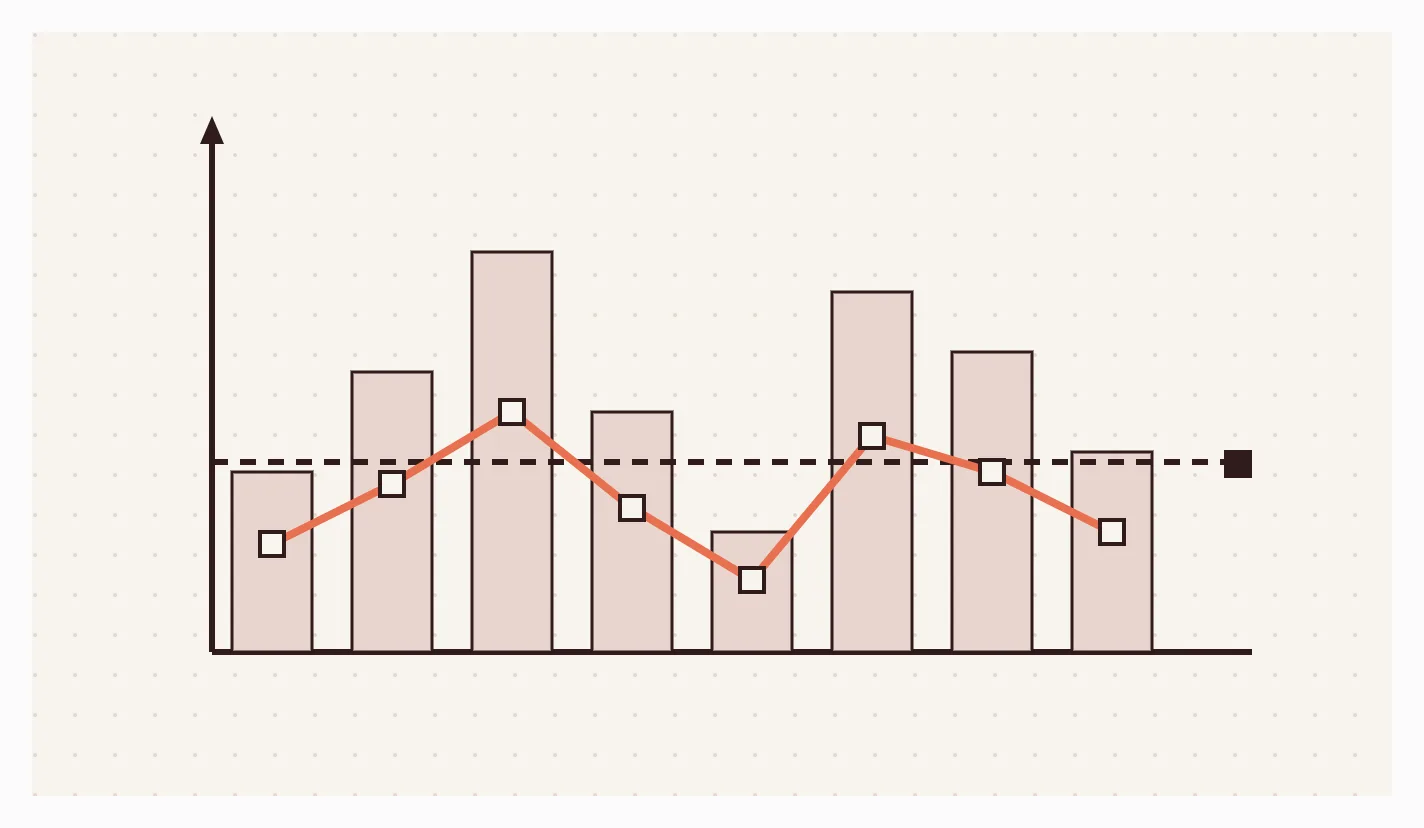
The benefits of a white label design agency are more capacity, lower fixed costs and stronger margins. You also get speed and specialist skills without a single new hire.
The benefits of a white label design agency are given below.
- Scale design capacity without hiring. Take on a big client or a seasonal spike right away. Then scale back when work settles, with no layoffs and no idle payroll.
- Turn fixed payroll into a variable cost. You pay for design only when projects come in. So your costs rise and fall with revenue instead of staying flat every month.
- Expand the agency's service offering. Add web, app, brand or motion design to your menu without new staff. A wider service menu also helps you respond to more RFPs.
- Access specialist design skills. One in-house designer rarely covers UI/UX, branding, motion and print equally well. A partner brings specialist designers for each discipline.
- Keep the client relationship and the margin. The client stays yours, and so does the pricing. You set your markup and protect your margins on every project.
- Deliver projects faster. A dedicated partner team can start quickly and work alongside your staff. Deadlines stop depending on one overloaded designer.
- Free senior staff for strategy and sales. Your leads stop pushing pixels at midnight. They can focus on high-value work like client strategy, pitches and account growth.
How Is AI Changing White Label Design Agencies?
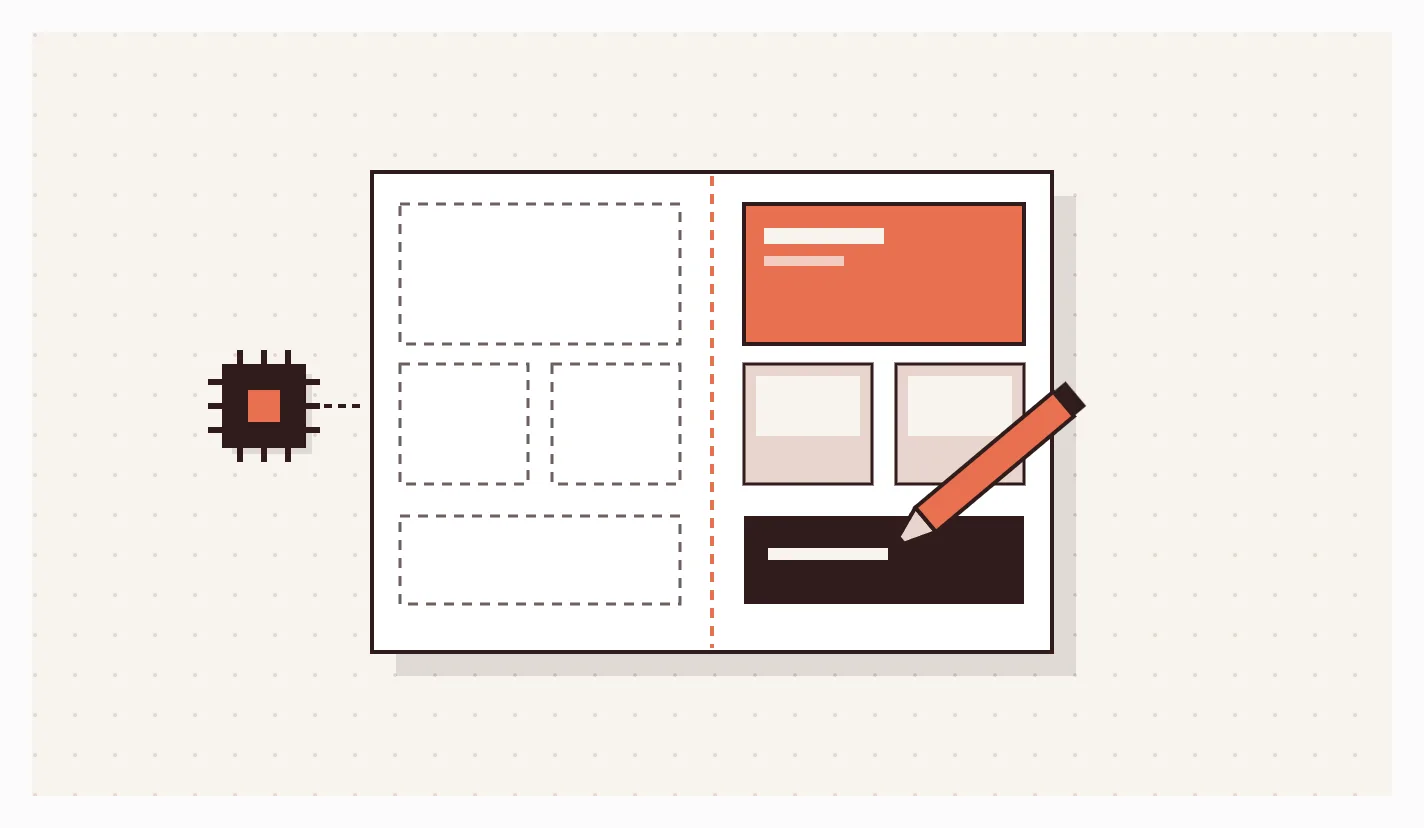
AI is changing white label design agencies by speeding up production and making human design judgment more valuable. Generative AI design tools now handle drafts, variations and routine assets.
5 ways AI is changing white label design agencies are outlined below.
- Faster production and turnaround. AI-assisted wireframes, drafts and variations shrink the gap between brief and first proof. Figma's State of the Designer 2026 surveyed 906 designers. Among those who increased their AI use, 89% say they work faster. For agencies, that means shorter turnaround windows from partners.
- Routine design gets cheaper while strategic design gains value. Resizing, social variations and basic layouts keep getting faster and cheaper to produce. In Clutch's 2026 graphic design survey, 32% of businesses say AI replaced only simple design tasks. Brand thinking, strategy and complex product work still need experienced people.
- Design and development are merging. The line between designing a product and building it keeps getting thinner. Figma's 2026 AI report found designers participating in development doubled to 41%. Developers doing design work rose from 44% to 60%. Partners that design and code under one roof fit this shift.
- Senior human review becomes the quality guarantee. AI can produce screens fast, but it can't judge which one solves the client's problem. In the same Figma research, 90% say design matters at least as much as before AI. Nearly six in 10 say it matters more. Craft and taste now separate good partners from merely fast ones.
- Agencies vet partners on their AI use. AI tool governance is now part of choosing a partner. Figma's report also shows 41% say AI meaningfully changes how teams work together. Two years ago, only 7% said so. So ask which tools a partner uses, who reviews AI output and who owns AI-generated assets.
Panze runs its AI design and development work on exactly this model. AI speeds up design and code, and senior designers and developers review everything before delivery.
How to Choose a White Label Design Agency?
To choose a white label design agency, vet its work, contracts, pricing and process first. The right white label design partner protects your reputation, not just your deadline.
7 steps to choose a white label design agency are given below.
- Review portfolio depth in your clients' niche. Look for recent work that matches your client base, like SaaS, e-commerce or fintech. Check that the style changes with each brand. Panze, for example, shows its product design work across many industries.
- Confirm confidentiality, the NDA and portfolio exclusion. Ask for a mutual NDA before you share any client details. Then get a written promise that your projects never appear in their portfolio or social posts.
- Check intellectual property transfer and source file delivery. The contract should assign full IP to your agency at handover. Confirm you'll receive editable source files, not just exports, with no license fee attached.
- Compare pricing transparency and room for your markup. Look for clear partner rates and fixed quotes, since opaque pricing makes budgeting hard. The rate should still leave a healthy markup after your project management time.
- Test communication speed, tools and time zone overlap. Note how fast the partner replies during the sales process, because it rarely gets faster later. Also confirm they'll work in your tools and overlap with your hours.
- Ask how the partner uses AI and reviews its output. Find out which AI tools they use and at which stages. Then ask who checks AI output before delivery and how AI affects timelines and pricing.
- Run a small paid test project. Start with one real but low-risk deliverable. Track turnaround, revision rounds and file quality. Missed deadlines or vague answers here are red flags worth taking seriously.
What Does a White Label Design Agency Do?
A white label design agency produces design work for your clients under your agency's name. Its designers work inside your tools, follow your file naming and deliver unbranded files.
When you ask, they join client calls as members of your team. Otherwise, they stay behind the scenes.
Will Clients Know You Use a White Label Design Agency?
No, clients won't know you use a white label design agency because the partner stays hidden. A confidentiality agreement bars the partner from contacting or naming your client.
Designers who join calls use agency-branded email addresses at your domain. And a written portfolio exclusion keeps your projects off their website and social channels.
Is a White Label Design Agency Worth It?
Yes, a white label design agency is worth it for agencies with steady or fluctuating design demand. One in-house hire can't cover every discipline or every busy month efficiently.
A partner gives you variable capacity, so you never pay for idle payroll. You also protect your gross margin. Plus, you keep clients who might otherwise take new design work elsewhere.
How Long Does a White Label Design Project Take?
A white label design project takes anywhere from a day to a few months, depending on scope. Standard design requests usually come back in 24 to 72 hours.
A basic five-page website takes about 2 to 4 weeks. A custom e-commerce build usually needs 8 to 16 weeks.
Scope, brief quality, revision rounds and the partner's queue all change the timeline. So build a buffer into every client deadline.
How Much Should Agencies Mark Up White Label Design?
Most agencies mark up white label design by at least 1.5x. Established agencies often reach 2x to 3x.
Your white label design markup should target a 50% to 70% gross profit margin after project management time. Cost-plus pricing adds a margin to the partner's fee, while value-based pricing charges for client outcomes.
Before you set a price, check typical UI/UX design cost for end clients.
When Is a White Label Design Agency Not the Right Choice?
A white label design agency isn't the right choice when volume is low or clients need designer access.
4 situations where a white label design agency is not the right choice are given below.
- Very low design volume. With fewer than five active clients, a reliable freelancer may cost less.
- Clients who expect to workshop ideas live with the designers. A hidden partner can't easily fill that role.
- Regulated industries that require a named, vetted production team. Financial services and healthcare clients often run compliance reviews on every contributor.
- Client contracts that forbid subcontracting. Check every agreement before you bring in an outside partner.
What Are the Pros and Cons of a White Label Design Agency?
The biggest pro of a white label design agency is scalable capacity. The biggest con is less direct quality control.
The pros and cons of a white label design agency are given in the table below.
| Pros of a white label design agency | Cons of a white label design agency |
|---|---|
| Scale capacity on demand, then scale back | Less direct quality control, especially early on |
| Fixed payroll becomes a variable cost | An extra communication layer can slow feedback |
| Wider service menu without new staff | Clients may discover or bypass you without an NDA |
| Access to specialists across disciplines | Low volume can cost more than a freelancer |
| You keep the client and set the margin | Regulated clients may require a named team |
For most growing agencies, the capacity gain outweighs the control trade-off, as long as the contract is tight.
How Does a White Label Design Agency Compare to Other Options?
A white label design agency differs from other options in brand visibility and client ownership. Agencies usually compare it with traditional design agencies, freelancers, general outsourcing and in-house teams.
What Is the Difference Between a White Label Design Agency and a Traditional Design Agency?
The key difference is branding control. A traditional design agency works under its own name and faces the client directly.
A white label design agency stays invisible. Your agency faces the client, and the partner acts as a hidden production team.
What Is the Difference Between a White Label Design Agency and a Freelance Designer?
The key difference is team continuity. A freelancer is an external contractor, often hired for one-off projects.
Freelancers come and go, and clients may know who they are. A white label design agency acts as a long-term hidden team with consistent capacity. It also signs a confidentiality agreement and never reveals itself to your client.
What Is the Difference Between White Label Design and Outsourcing?
All white label work is outsourcing, but not all outsourcing is white label. The difference comes down to attribution and client contact.
In general outsourcing, the provider may keep its brand name and talk to your client. In white label design, the partner stays contractually invisible. You keep task ownership, the credit and all client-facing communication.
What Is the Difference Between a White Label Design Agency and an In-House Design Team?
The key difference is control versus flexibility. An in-house team gives you direct control and strong brand consistency.
But you pay salary and benefits every month, busy or not. Each new role also means a slow hiring cycle. A white label design agency gives you on-demand capacity, so fixed costs become variable costs.
Final Thoughts
A white label design agency is a hidden design partner that delivers work under your brand. You win and scope the project, the partner designs it, and you present it as your own.
Costs start near $499 a month or run per project. In return, you scale design capacity, widen your services and protect your margins. And as AI speeds up production, senior human review is what keeps quality high.
If you want a partner built on those standards, talk to Panze. Its team designs SaaS, web, mobile and brand projects your clients only ever see as yours.
Become a Partner: Talk to Panze About White Label Design
Frequently Asked Questions
These are the working terms agencies ask about most before they sign.
Can a White Label Design Agency Join Client Calls?
Yes, a white label design agency can join client calls because its designers work as your team. They're introduced as your staff and use an address at your domain. But they only join when you ask. By default, a good partner stays behind the scenes.
What Tools Do White Label Design Agencies Use?
White label design agencies mostly use Figma for design and developer handoff. For communication, they use Slack, Microsoft Teams or WhatsApp. Project management runs in Asana, Monday.com, Trello, Basecamp or ClickUp. The partner should work in your shared workspace, so the client never sees its name.
How Many Revisions Does White Label Design Include?
Most white label design providers include one to three revision rounds per request. Some offer unlimited revisions, though scope creep clauses can limit them. Panze, for example, offers unlimited revisions while a project is running. Whatever the number, put the revision policy in your written agreement.
Who Owns the Design Files in White Label Design?
Your agency owns the design files once the partner hands them over. An intellectual property assignment clause transfers ownership to your agency, and then to your client. Before work starts, confirm in writing that you'll get editable source files. Full ownership at handover should come with no license fee.
Is White Label Design Legal?
Yes, white label design is legal because reselling professional services is standard commercial practice. Your agency stays contractually responsible to its client for the work. Still, some client contracts and regulated industries restrict subcontracting, so check yours first. Treat this as general information, not legal advice.
How Do You Maintain Quality Control With a White Label Partner?
You maintain quality control with a white label partner through clear briefs, shared brand guidelines and staged reviews. Review first proofs early, before the partner polishes details you don't want. Put revision limits and turnaround commitments in writing. Also, pick a partner where one senior designer stays on your project from start to finish.
Can a White Label Design Agency Build What It Designs?
Yes, many white label design agencies can build what they design, from websites to mobile apps. Panze offers design and development services that cover Webflow and Framer sites, React front ends and mobile apps.