
Production, Done by AI
Markup from a design, components repeated across a site, every breakpoint rather than the two anyone has time for, CMS fields, and first-draft copy and metadata. Work that is slow, exact and genuinely dull.

A website is mostly production: the same card at four breakpoints, the same section with different copy, the CMS filled in, the states nobody drew. AI is very fast at exactly that, and very bad at noticing when the result is wrong. Panze puts AI on the production and a senior designer on the judgement, in WordPress, Webflow, Framer or Astro — so the site arrives in weeks, and someone who knows what good looks like has seen every screen of it.


Our Process
Four steps. The speed comes from the third one; the reason you can sell the result comes from the fourth.

Services

Panze has AI do the production half of a build: markup from the design, the same component at every breakpoint, the CMS fields, the first draft of copy and metadata. This is where weeks become days.
Services
Panze has AI do the production half of a build: markup from the design, the same component at every breakpoint, the CMS fields, the first draft of copy and metadata. This is where weeks become days.

A senior designer goes through the site screen by screen against the design before it ships. That review is the difference between using AI and handing your client output nobody looked at.
Search that understands a question, an assistant answering from your client's own pages, copy variations for different audiences. Optional, scoped separately, and never added because it is fashionable.
Fields named in your client's language, Core Web Vitals measured rather than assumed, analytics in, and documentation covering what the next developer needs to know.

What We Build
Being specific about this is the whole offer. Anyone can say they use AI; what matters is which half of the work it is allowed to do.
Markup from a design, components repeated across a site, every breakpoint rather than the two anyone has time for, CMS fields, and first-draft copy and metadata. Work that is slow, exact and genuinely dull.
Whether the spacing is right, whether the hierarchy reads, whether the thing is actually good. A senior designer signs off every screen, which is the part that makes this sellable rather than risky.
Heading levels in the wrong order, alt text that says "image", focus states quietly dropped, contrast that fails, layouts that hold until real content arrives. These are the predictable failures, so they are on a checklist rather than left to luck.
Where it earns its place: search that understands a question, an assistant answering from the client's own pages, copy variations for different audiences. Optional, scoped separately, and never added because it is fashionable.
Fields named in their language, with the structure holding when someone writes a headline twice as long as the design. The fastest build in the world is worthless if nobody can update it.
Core Web Vitals measured rather than assumed, analytics in, and documentation covering what another developer needs. Speed of delivery is no excuse for a site that is slow to load.

Benefits
Four things that matter when the date is fixed and the budget already is too.
AI takes the production half out of the timeline. The date your client was given stops being the problem you think about at night.
A senior designer reviews every screen before it ships. That is the difference between using AI and handing your client output, and it is the reason you can put your name on this.
WordPress, Webflow, Framer or Astro, chosen for the project rather than for whichever one is quickest for us to generate. Speed that leaves your client with a site they cannot maintain is not a saving.
We work in your tools and under your brand. White label builds stay off our portfolio permanently, and that goes in writing before the project starts.
Industry Expertise
Panze builds AI-assisted websites for agencies across the industries that buy them most. What changes is how much of the production AI is allowed to do before a person has to look, and that is set per project rather than per client.
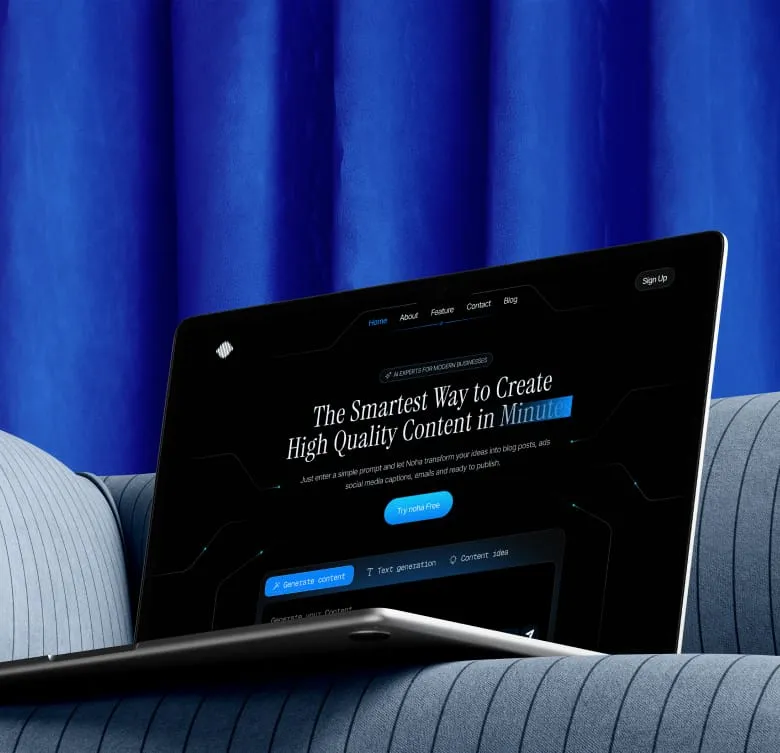
Marketing sites that change weekly: AI produces the page variants and the CMS structure, and a designer signs off the ones that ship.

Speed where it is safe and review where it is not, because disclosures and claims are not something to generate and forget about.
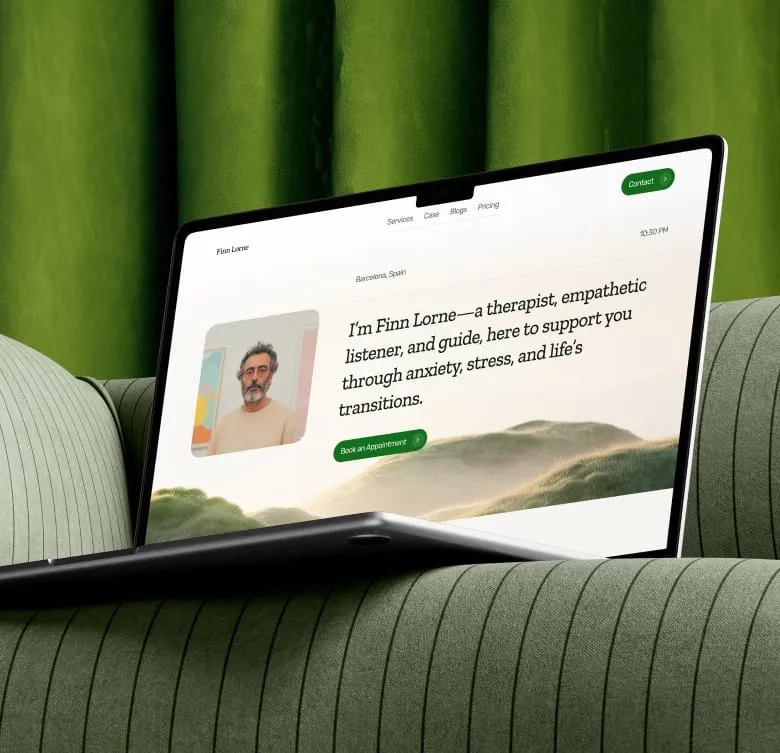
Accessible, carefully worded sites, where the review step covers heading order, contrast and alt text as a matter of course rather than on request.
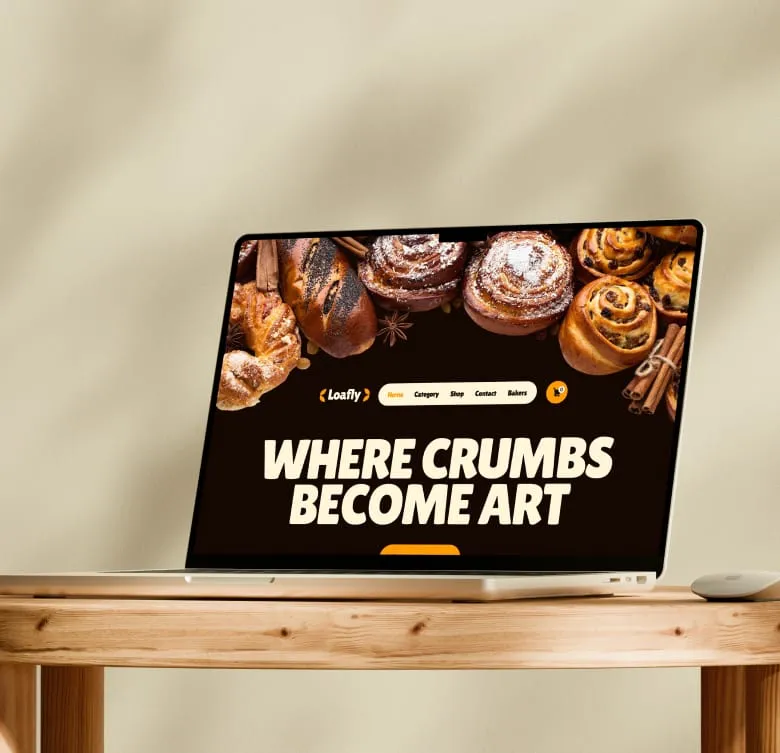
Catalogue pages and descriptions produced at volume, then checked against the merchant's own policies and prices before anything goes live.

A site in days rather than weeks, built to be rewritten, because an early-stage story changes more than once in the first year.

Overflow builds under your name, delivered to the date you already promised, with the AI part invisible to your client unless you choose to say otherwise.

Large content estates where AI handles the repetition across regions and templates, and a person owns every judgement call.
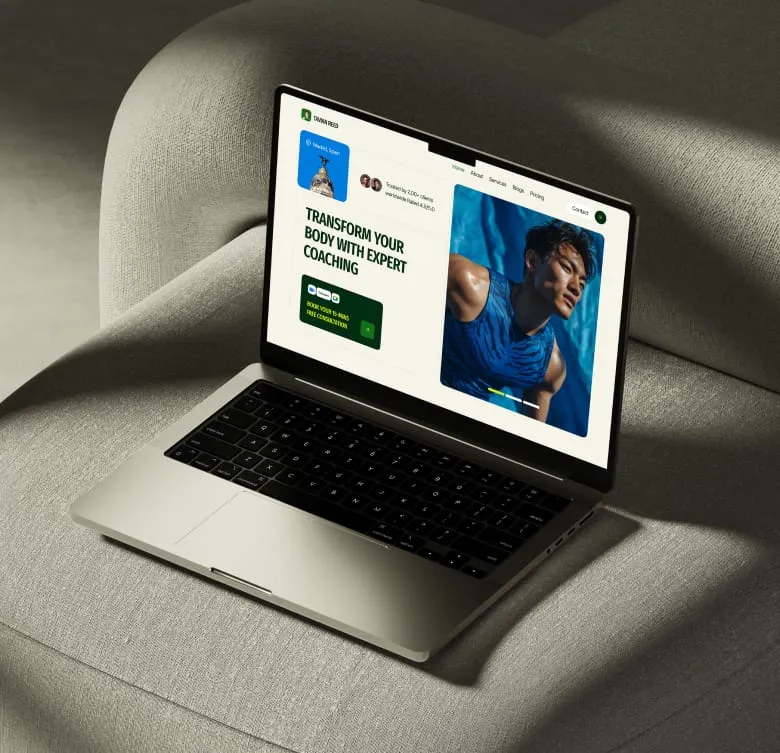
People pages, proof and a booking flow, built quickly and checked by someone who knows what actually turns a visit into an enquiry.




















Frequently Asked Questions
What AI actually does here, what it does not, and what you are left owning.

Contact
No pitch decks. No jargon. Just a conversation about what you're building, and how we can help.

Mahmudul Hasan Manik
Founder & CEO

