
iOS and Android, Properly
Navigation, gestures and components that match the platform a person is actually holding. An iOS app that behaves like an Android one feels wrong in a way users cannot name but do not forgive.

An app is not finished when it runs on a simulator. It is finished when it is in the stores — which means review guidelines, privacy declarations, screenshots at the right sizes, and a developer account in your client's name rather than anyone else's. Panze builds iOS and Android apps from the design and takes them through all of it, under your brand, and hands over everything needed to ship the next version without us.
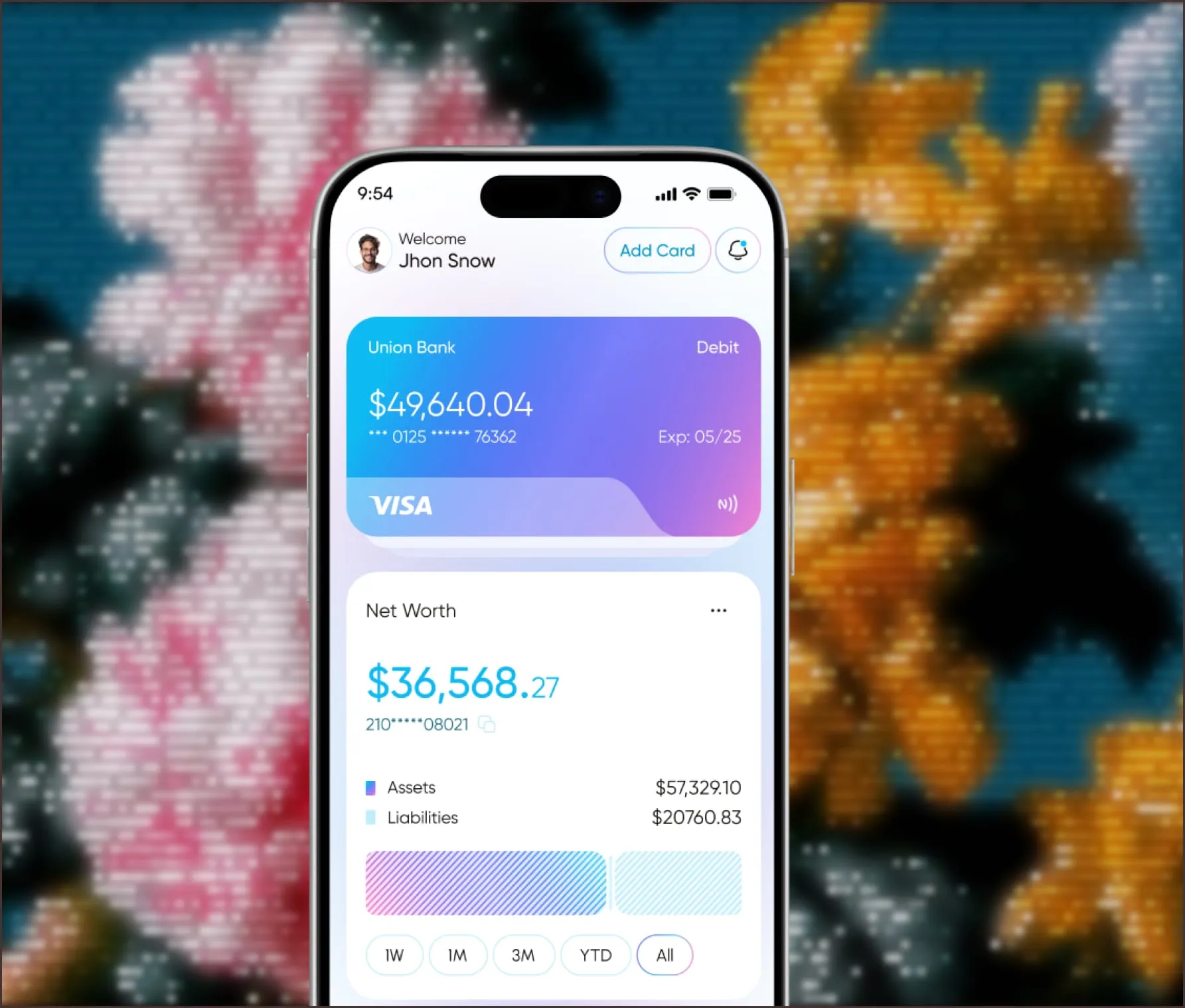

Our Process
Four steps, and the last one is the step agencies underestimate. Store review has rejected finished apps for reasons nobody read about until the rejection arrived.

Services
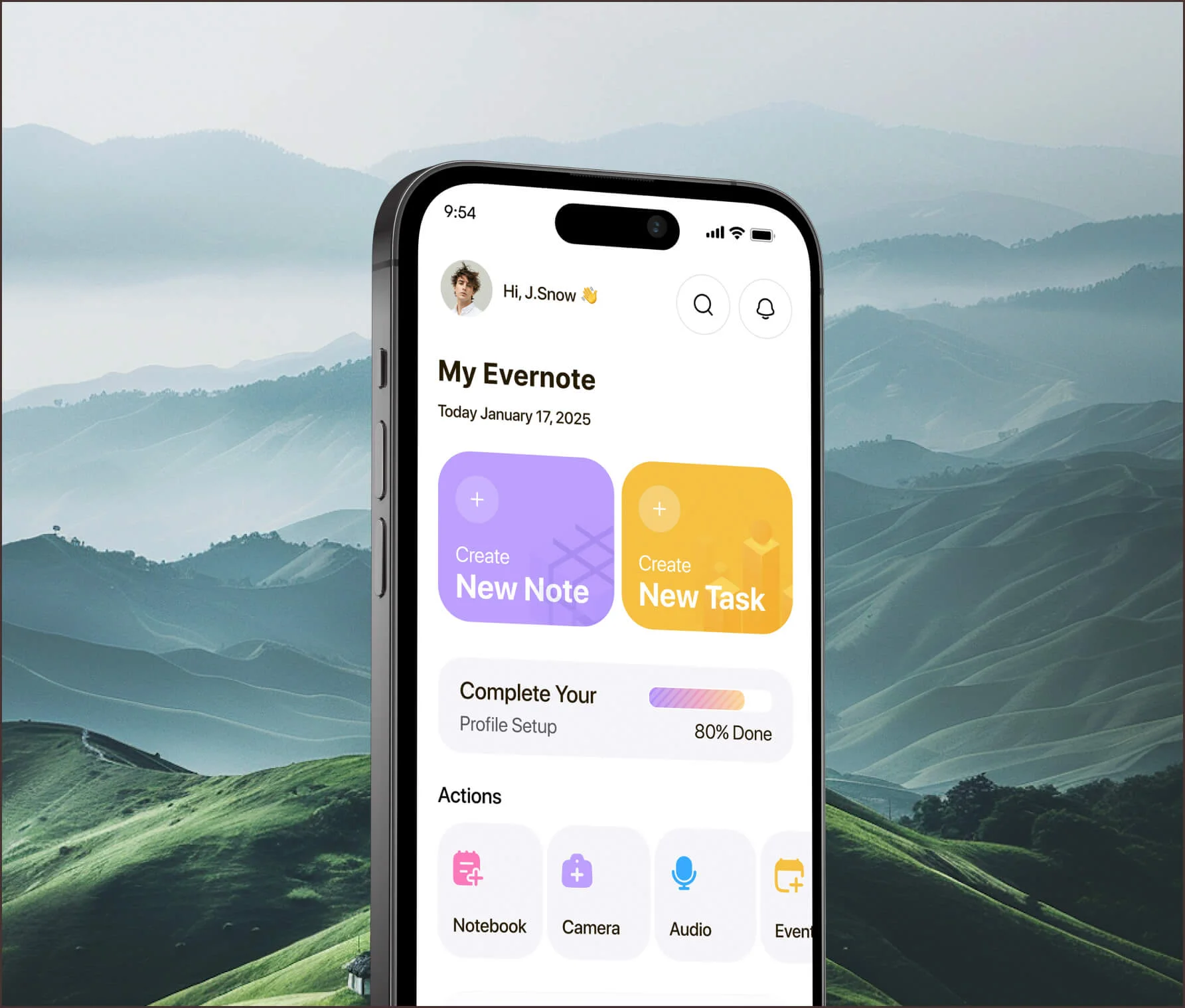
Panze builds native iOS apps from the design through to a signed release build. Review guidelines, privacy declarations and the submission itself are part of the job, not something handed back to you at the end.
Services
Panze builds native iOS apps from the design through to a signed release build. Review guidelines, privacy declarations and the submission itself are part of the job, not something handed back to you at the end.
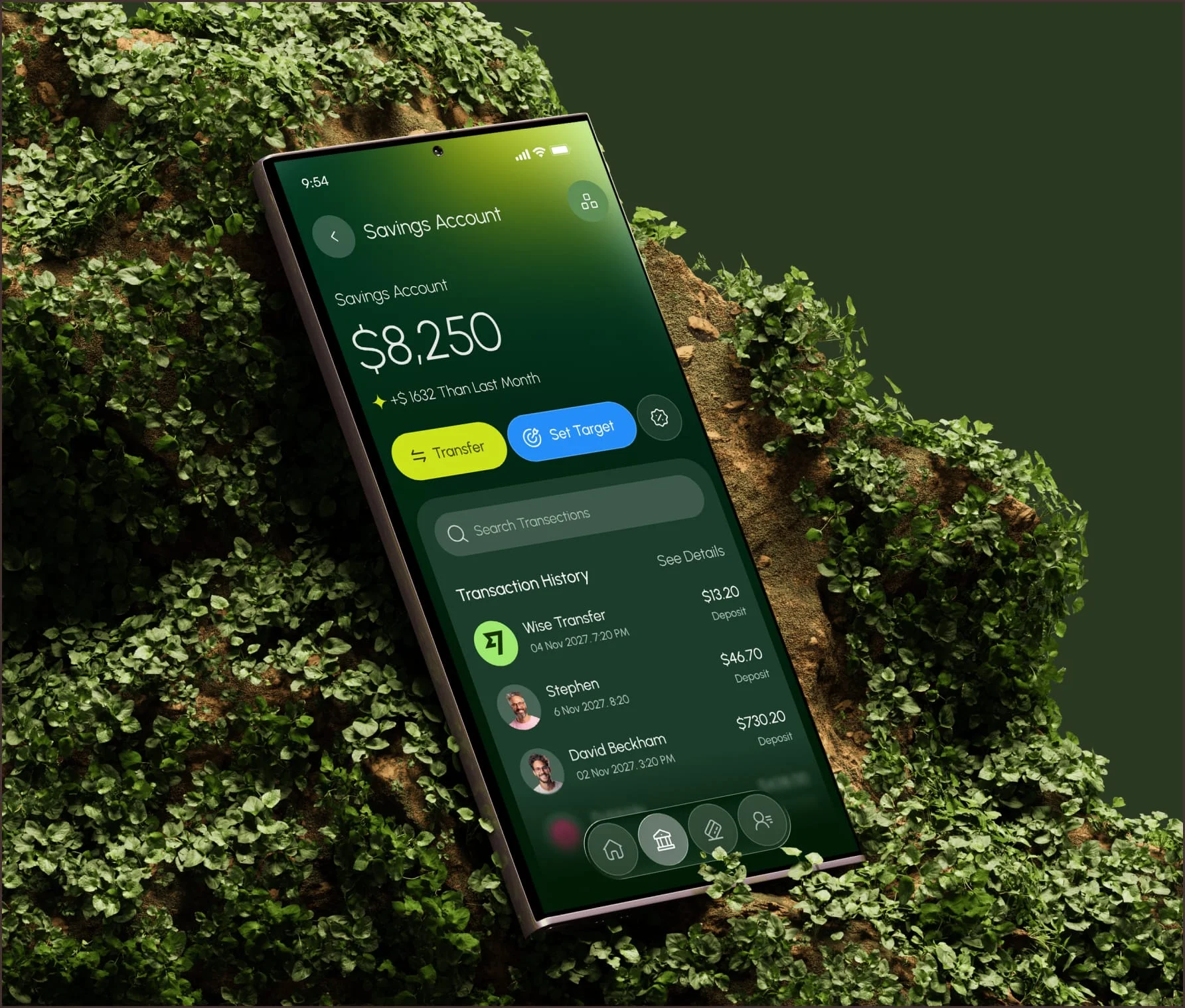
Panze builds Android apps and ships them to Google Play, tested across the screen sizes and OS versions your client's users actually have rather than the one device the app was written on.
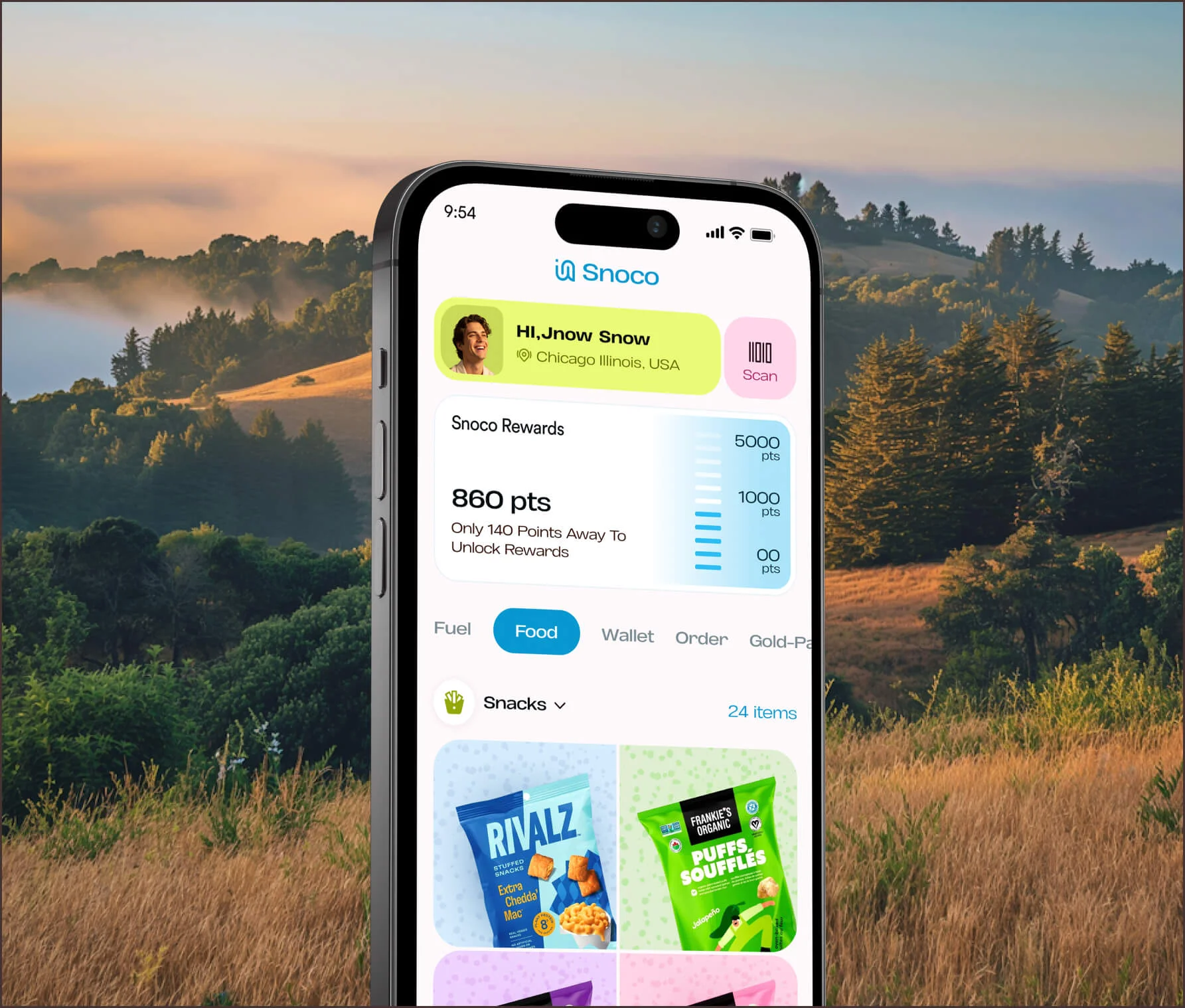
Panze builds from one codebase when that is the right answer for the budget, and says so when it is not. Some apps lose more to the compromise than they save in development.
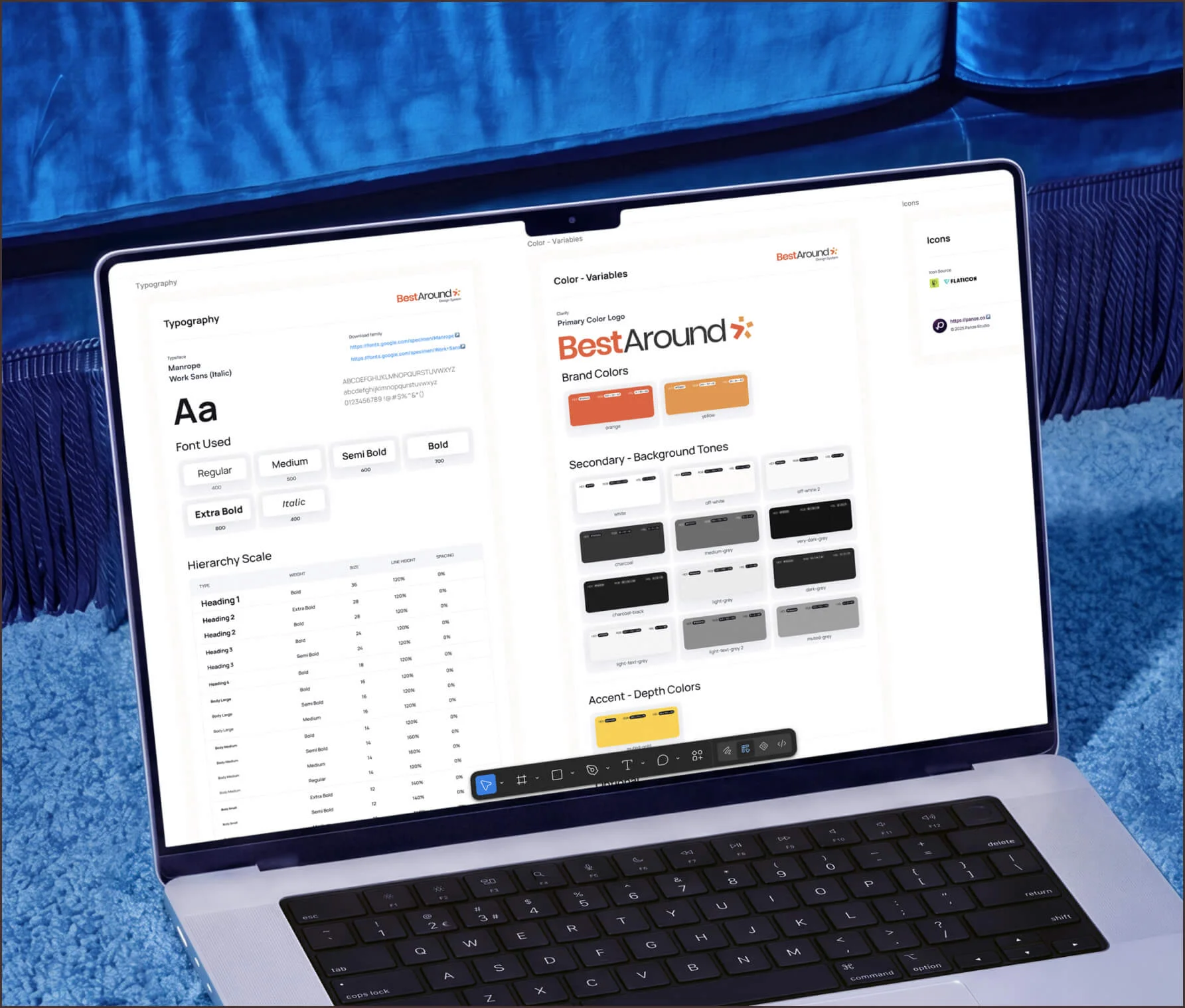
Panze turns a design file into a working app, including the states a design usually leaves out: empty lists, failed requests, names twice as long as the mockup, no connection. Those decide whether an app feels finished.
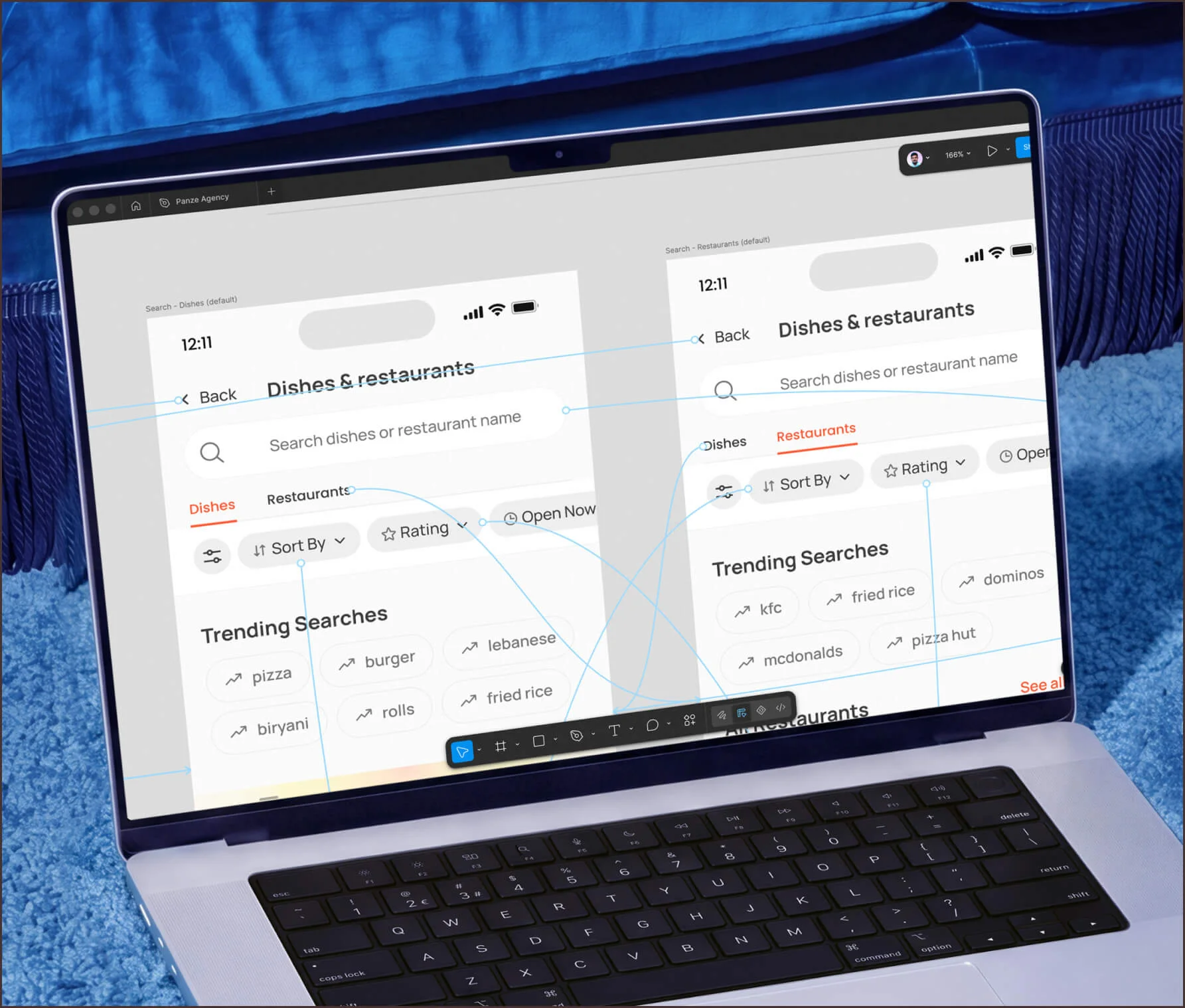
Panze connects the app to whatever it has to talk to — your client's backend, payments, maps, analytics, push notifications — and makes it behave when the network does not.
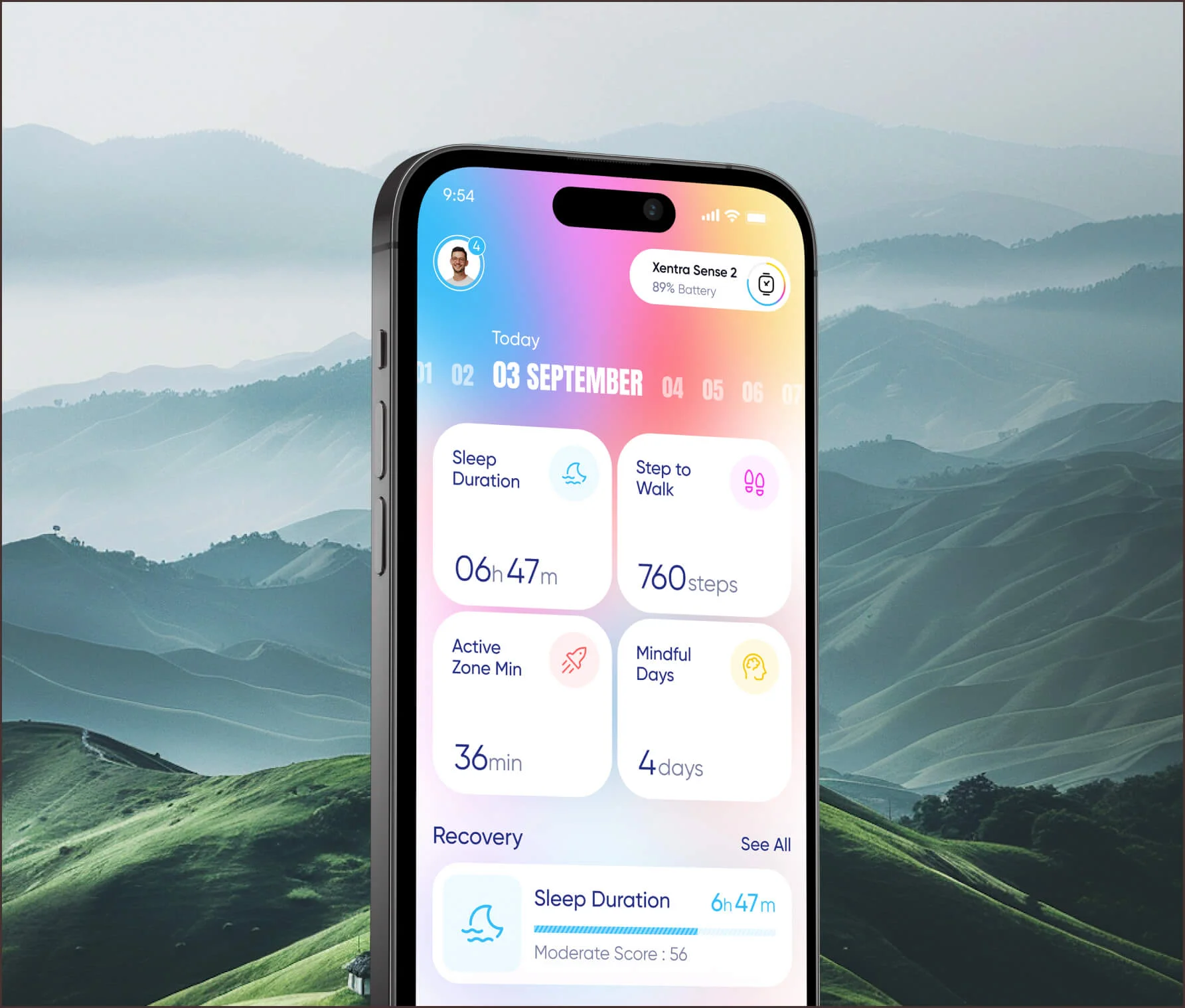
Panze prepares the listings, screenshots, privacy declarations and signing, submits the build and deals with the rejections. The accounts stay in your client's name, so nothing depends on us afterwards.

What We Build
Building the screens is the predictable half. These are the parts that make the difference between an app that demos and an app that lives on someone's phone.
Navigation, gestures and components that match the platform a person is actually holding. An iOS app that behaves like an Android one feels wrong in a way users cannot name but do not forgive.
Talking to whatever the app runs on, including the awkward part: what the screen shows while it waits, what it shows when the request fails, and what it does with data it already had.
Most apps are used on a train at some point. Deciding what works without a signal, what queues, and what syncs when it comes back is a design decision as much as a technical one, and it is made before the build rather than after a complaint.
Notifications that are worth the interruption, permission prompts asked at the moment they make sense, and the privacy declarations both stores now require. Asking for location on first launch is how an app gets deleted on first launch.
Listings, screenshots at every required size, age ratings, data disclosures and the review itself. We have read the guidelines so your client does not have to discover them through a rejection.
Signing, versioning, staged rollouts and crash reporting, set up so the second release is routine. An app nobody can update is an app that gets worse every month the OS moves on.

Benefits
Four things that matter when you have sold an app and do not build apps.
Submission is part of the work, not something handed back to you as a zip file and a good luck. If the reviewer comes back with a question, we answer it.
Panze designed mobile products for ten years before building them, so the screens and the code come from the same team and nothing is lost explaining a design to a developer who was not there.
The app ships from your client's App Store and Play accounts. An app published under a contractor's account is an app the client does not fully own, and that becomes obvious at the worst moment.
We work in your tools and under your brand. White label builds stay off our portfolio permanently, in writing, before we start.
Industry Expertise
Panze builds mobile apps for agencies serving fintech, healthtech, SaaS and consumer clients. Each brings its own store requirements, data rules and release expectations, and we plan for them before the build rather than at submission.
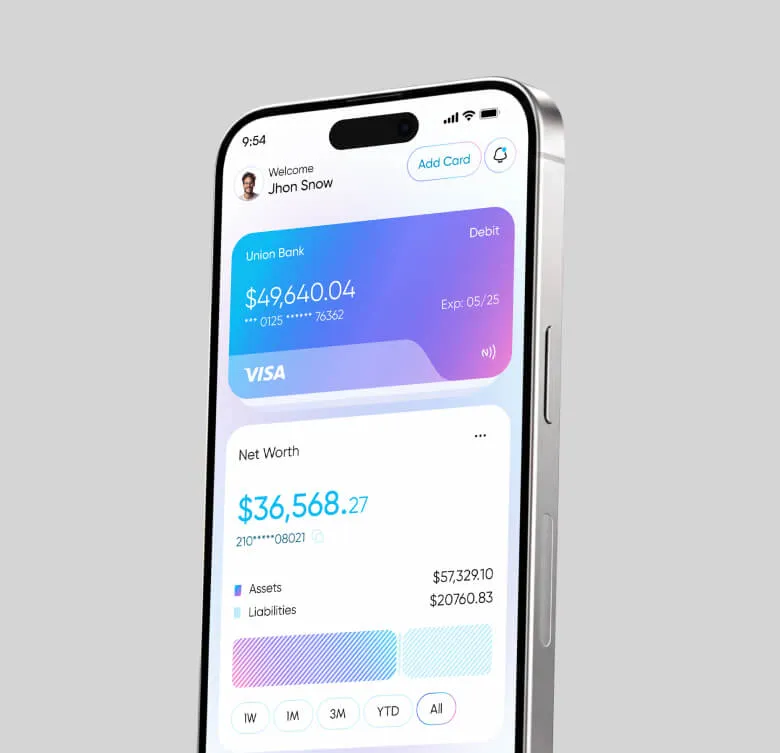
We build fintech apps with the security, auditability and store declarations financial products are held to, so app review does not become the thing that delays your launch.
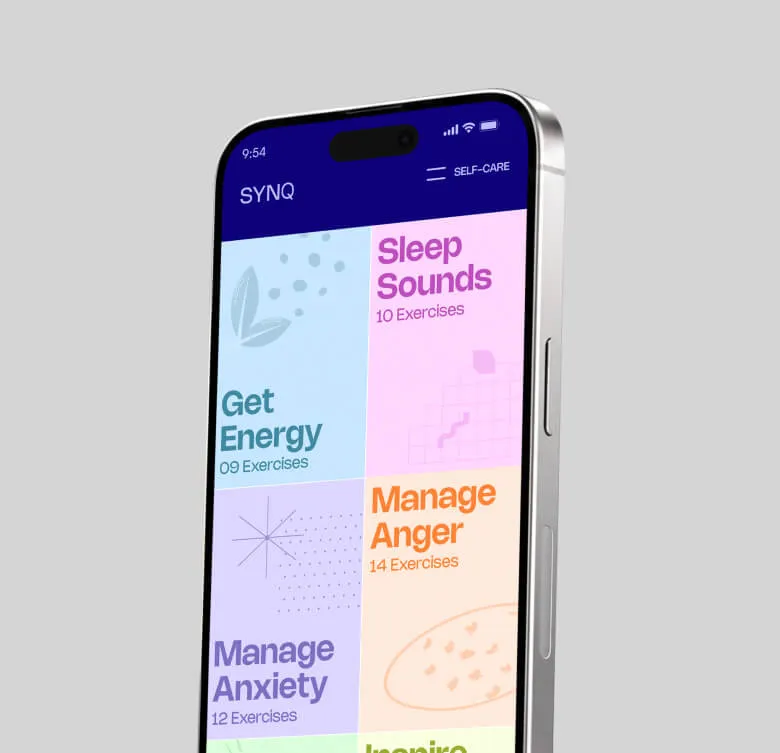
We build healthtech apps around the data rules that apply to them, with permissions and consent handled in the product rather than in a policy page nobody reads.
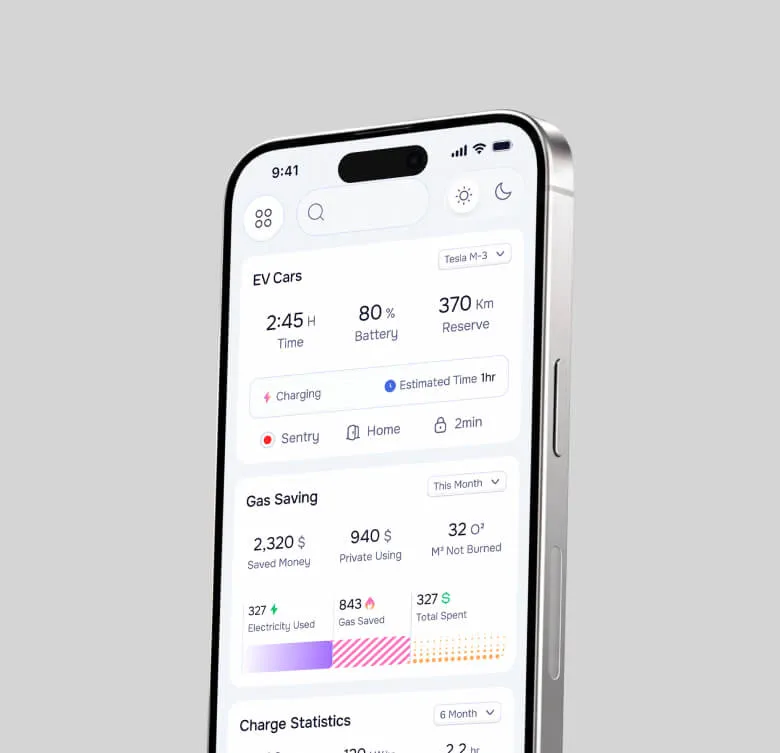
We build the mobile half of a SaaS platform: the same accounts, the same permissions, and the part of the product that genuinely makes sense on a phone.
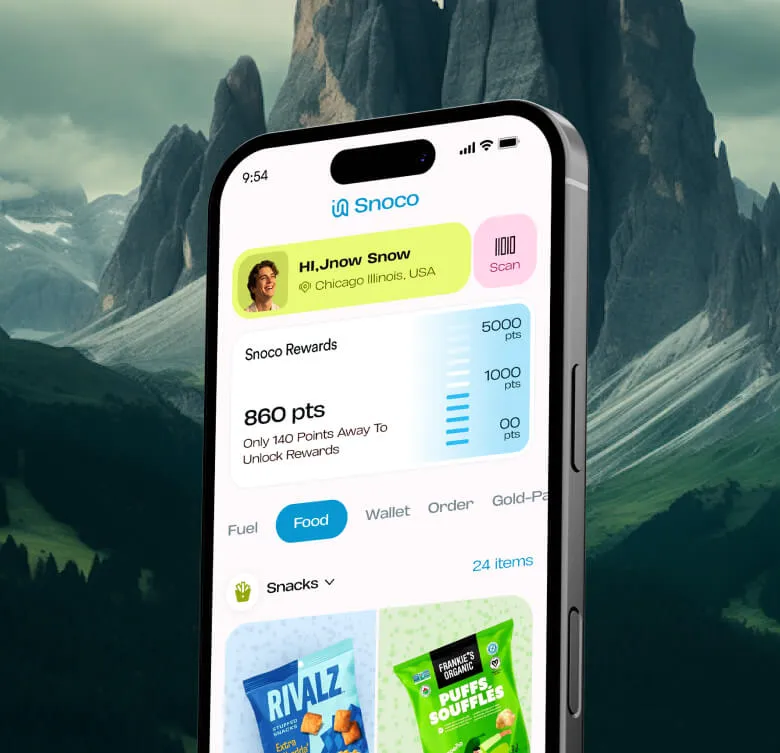
We build commerce apps with native checkout, stored payment methods and the offline behaviour that keeps a basket intact when the signal drops.
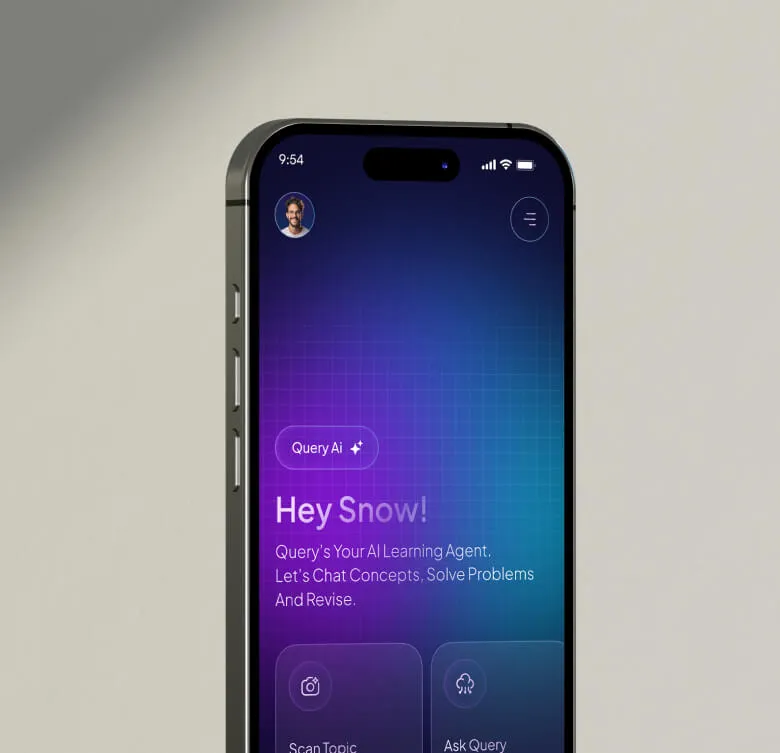
We build learning apps with downloads, progress that survives a lost connection, and a content pipeline your client's team updates without calling us.
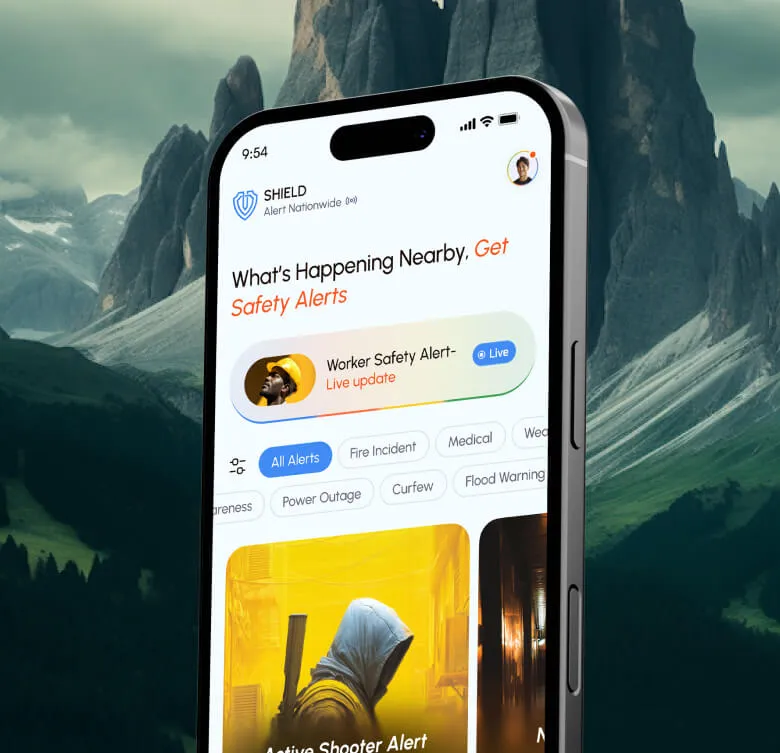
We build social apps with the feed, notification and moderation plumbing that decides whether the thing holds up once more than a few hundred people use it.
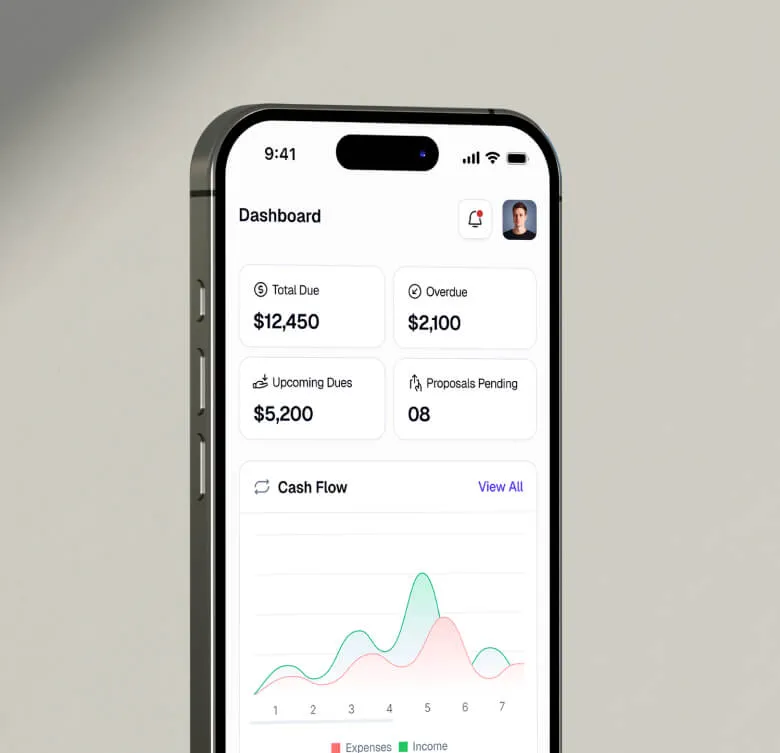
We build internal apps with single sign-on, device policies and distribution outside the public stores where that is what the client needs.
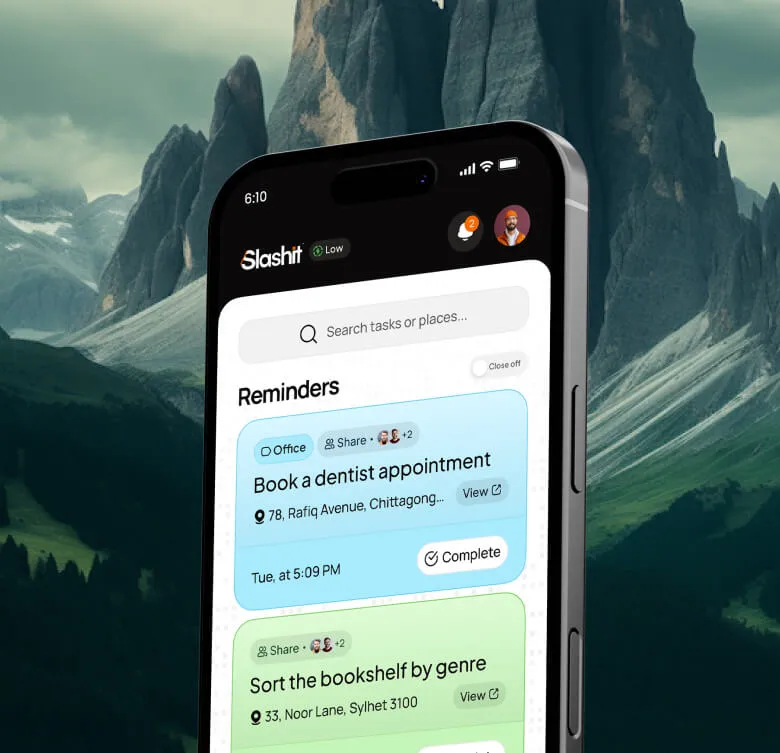
We build a first release small enough to ship and solid enough to put in front of real users, with the developer accounts and the code in the founder's name from day one.




















Frequently Asked Questions
Platforms, store accounts, review, and what happens after launch.

Contact
No pitch decks. No jargon. Just a conversation about what you're building, and how we can help.

Mahmudul Hasan Manik
Founder & CEO

