
Dashboards and Data Views
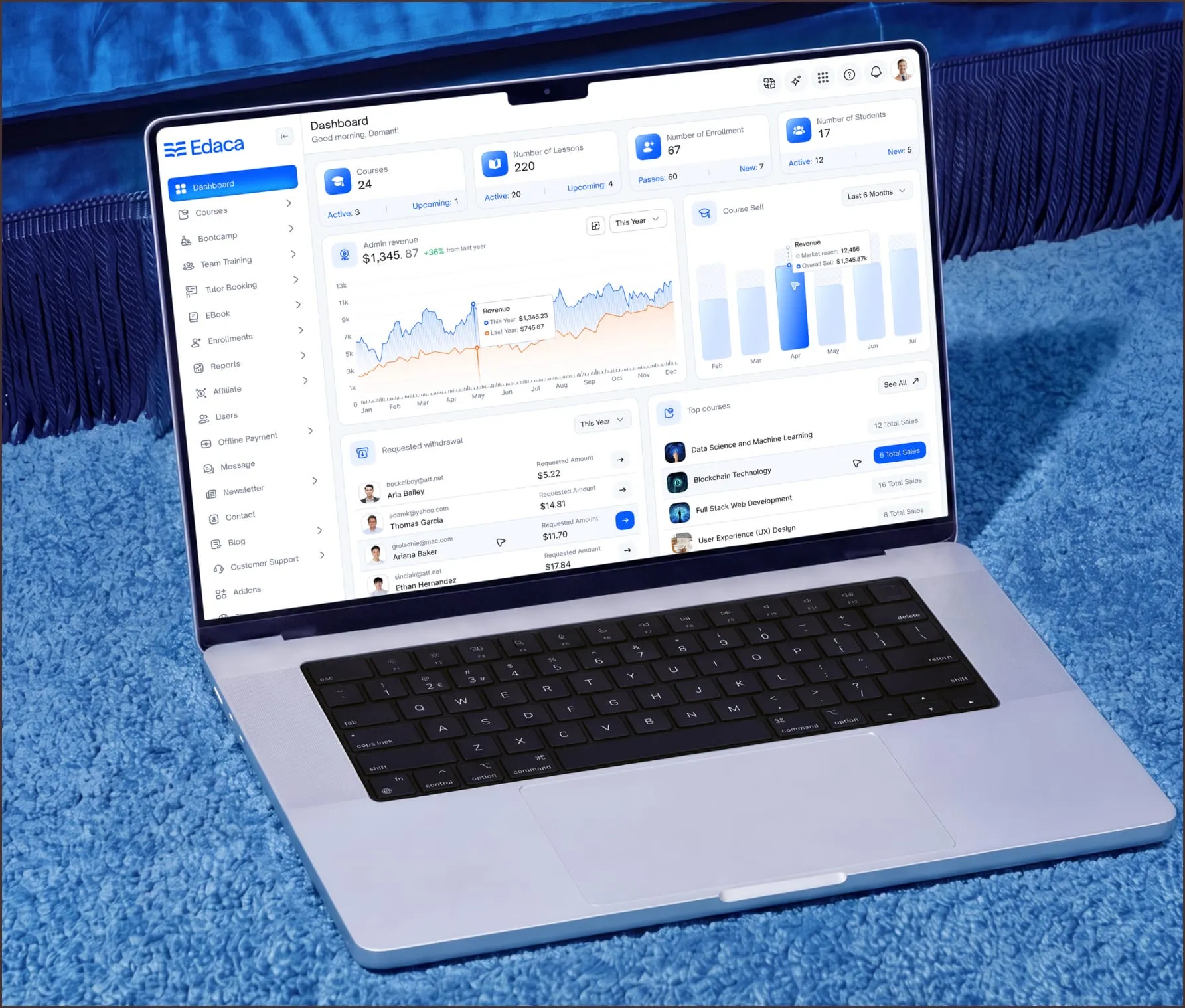
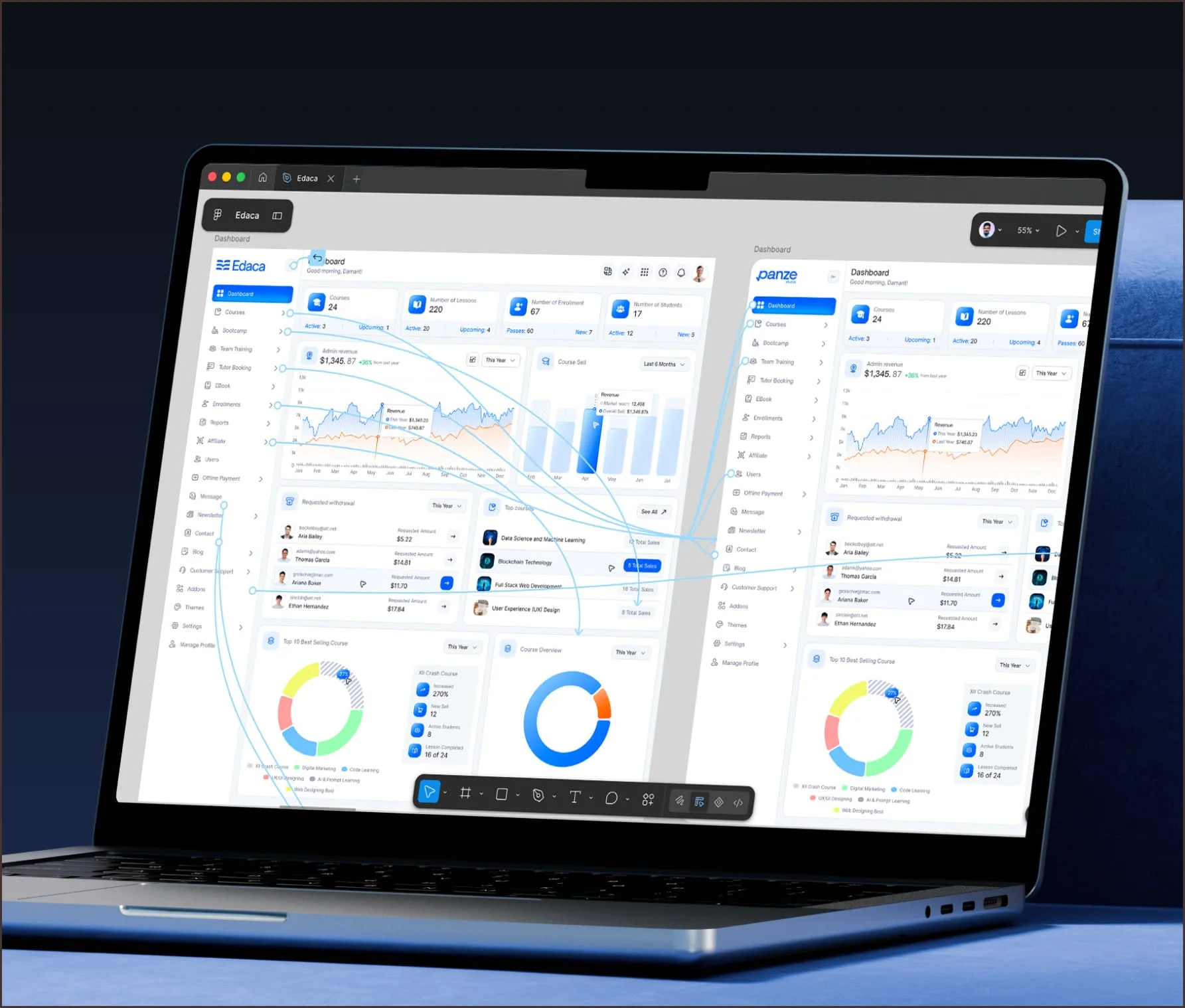
Tables, filters, charts and exports that stay usable when the data gets real. A dashboard that works on twelve rows and falls over on twelve thousand is a demo, not a product.

Most of a SaaS product is the part nobody draws: who is allowed to see what, what happens when a payment fails, what an admin can do that a customer cannot, and what the thing does on its four hundredth user rather than its fourth. Panze builds that alongside the interface — from our own designs or from a file your team hands us — and hands over a product your client owns outright.

Our Process
Four steps, and the first is the one that decides the other three. Most SaaS builds that go wrong went wrong before anyone wrote code.

Services
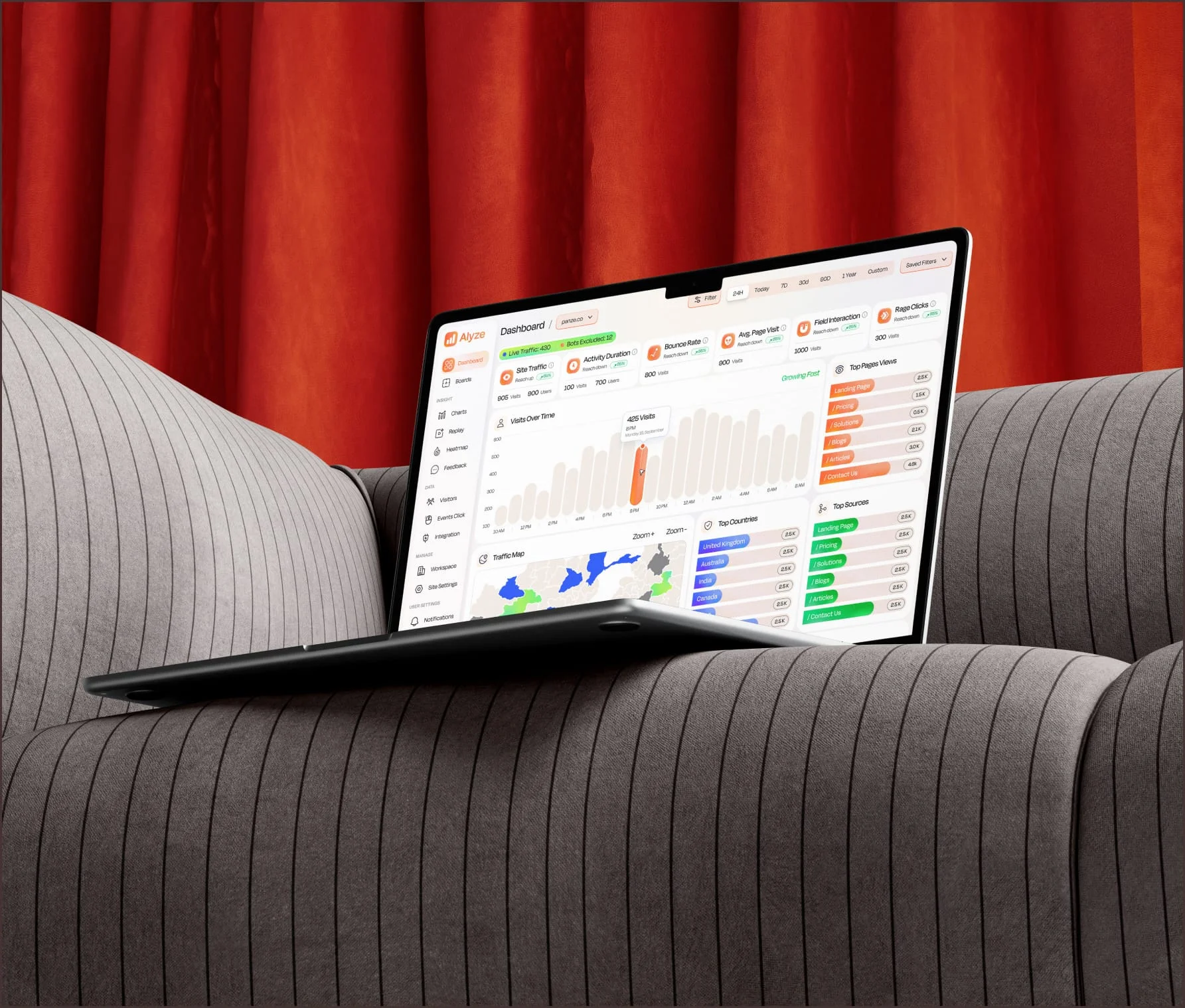
Panze builds the screens your client's customers use and the ones only their own team sees. The admin side is usually missing from the design, and it is where their support work will happen.
Services
Panze builds the screens your client's customers use and the ones only their own team sees. The admin side is usually missing from the design, and it is where their support work will happen.
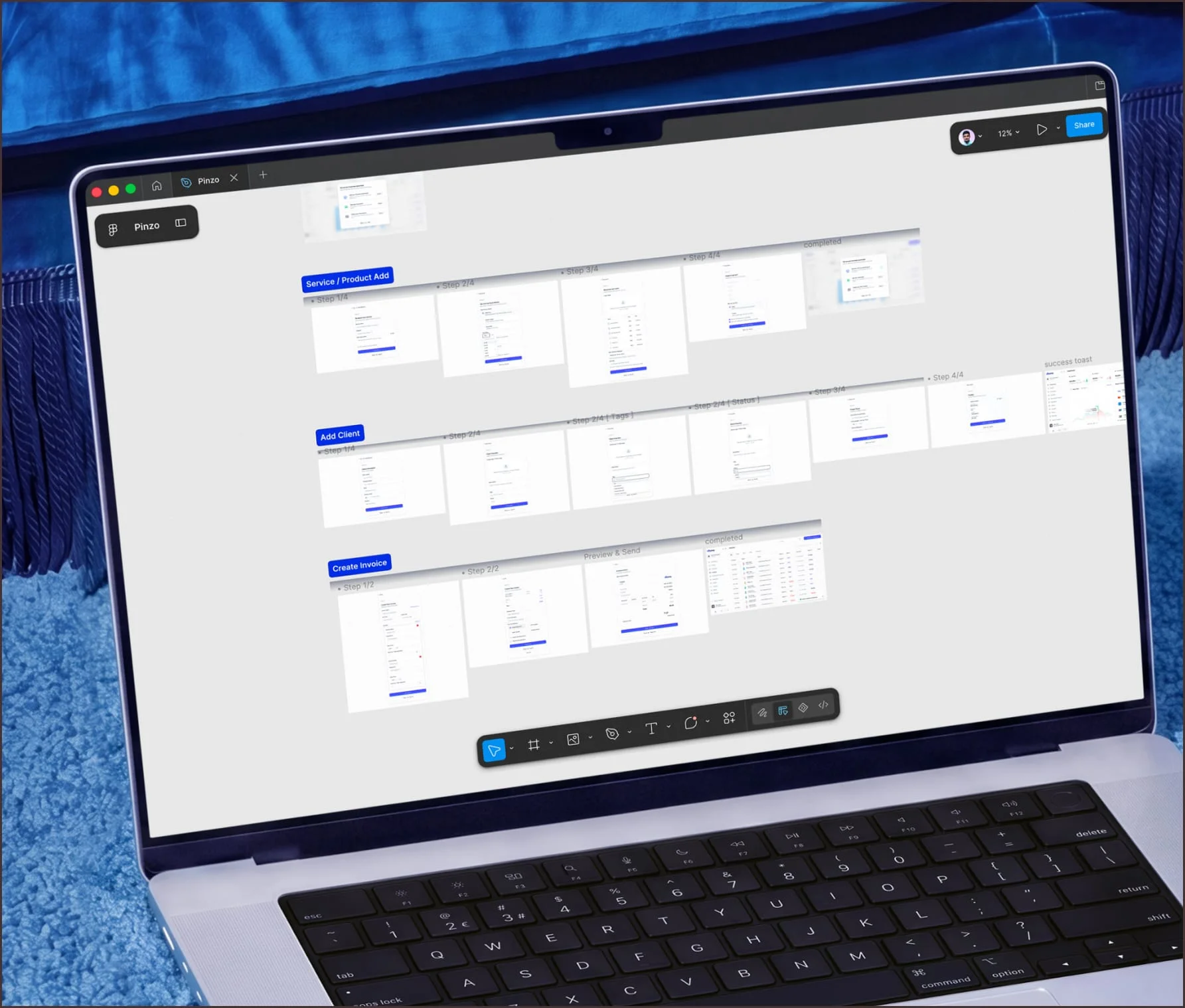
Panze builds sign-up, sign-in, invitations, roles and recovery, including the paths nobody draws: an expired invite, a second account on the same email, someone who has left the company.
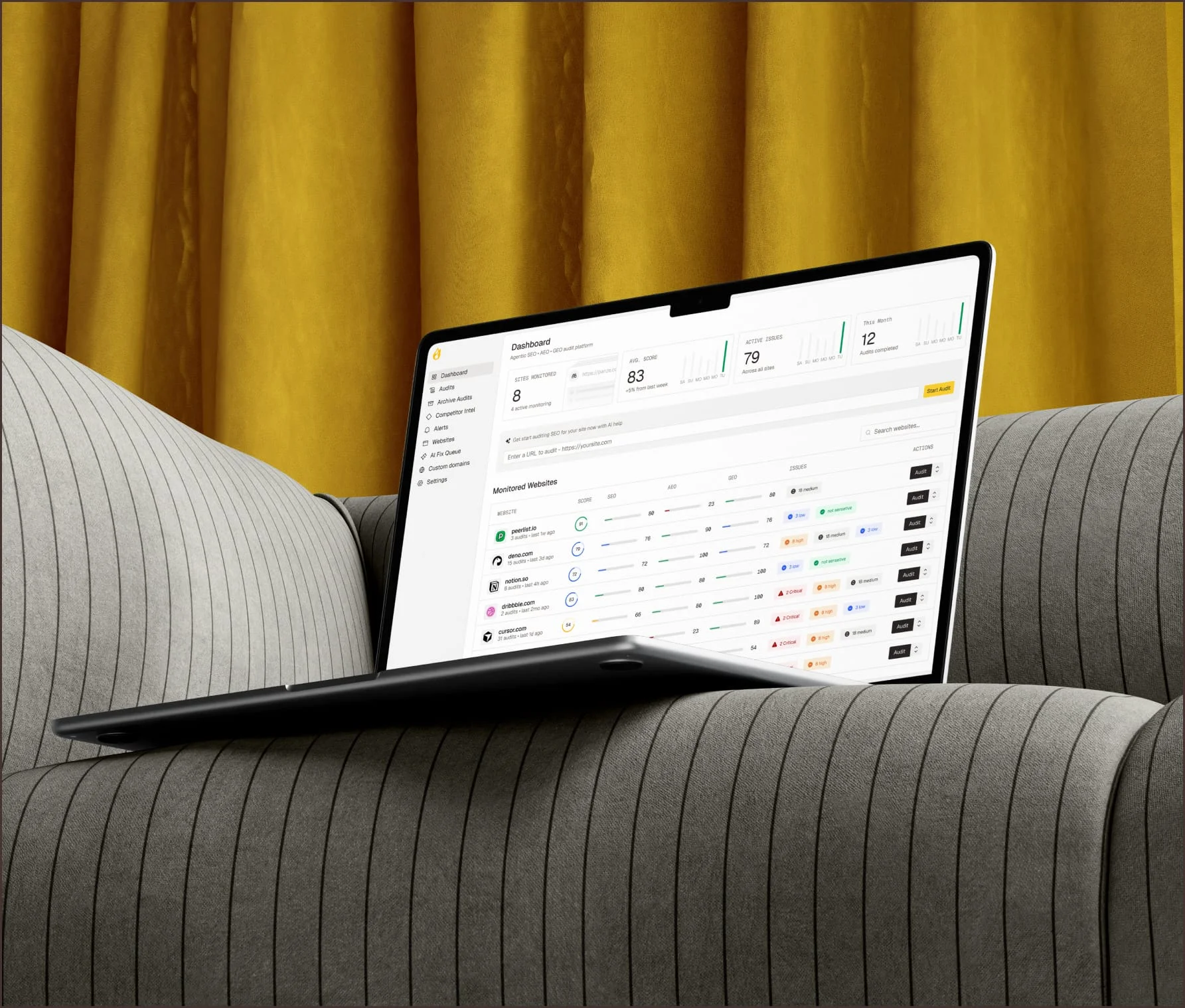
Panze builds plans, trials, upgrades, proration and failed payments against whichever provider the client already uses. Billing that only works on the happy path becomes their support queue.
Panze builds the data model so one customer's records can never answer another customer's request. Retrofitting that later is the most expensive rebuild in SaaS.
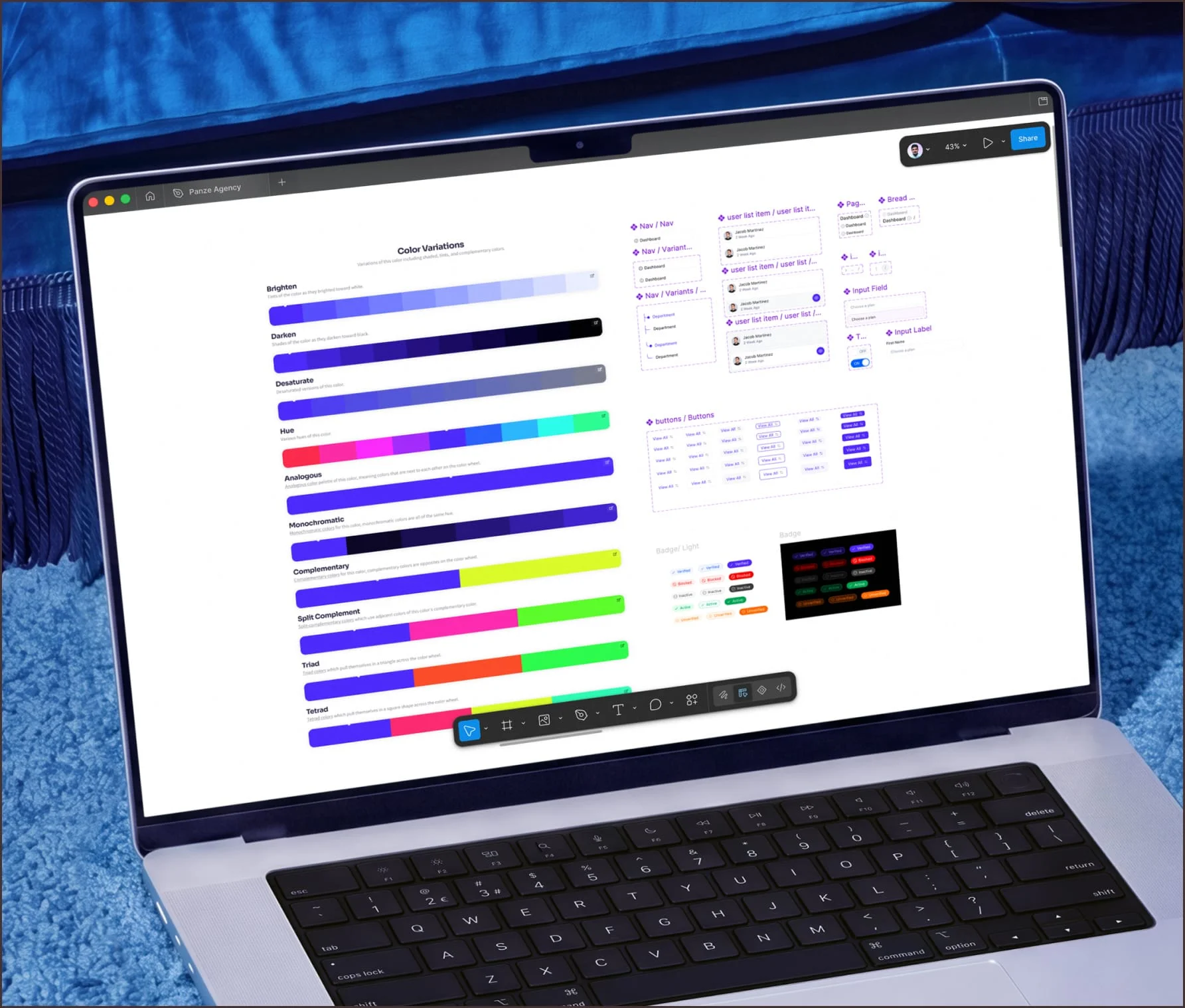
Panze turns a design file into a working product, built as components rather than pages, so the twentieth screen costs less than the first and still looks like it belongs.
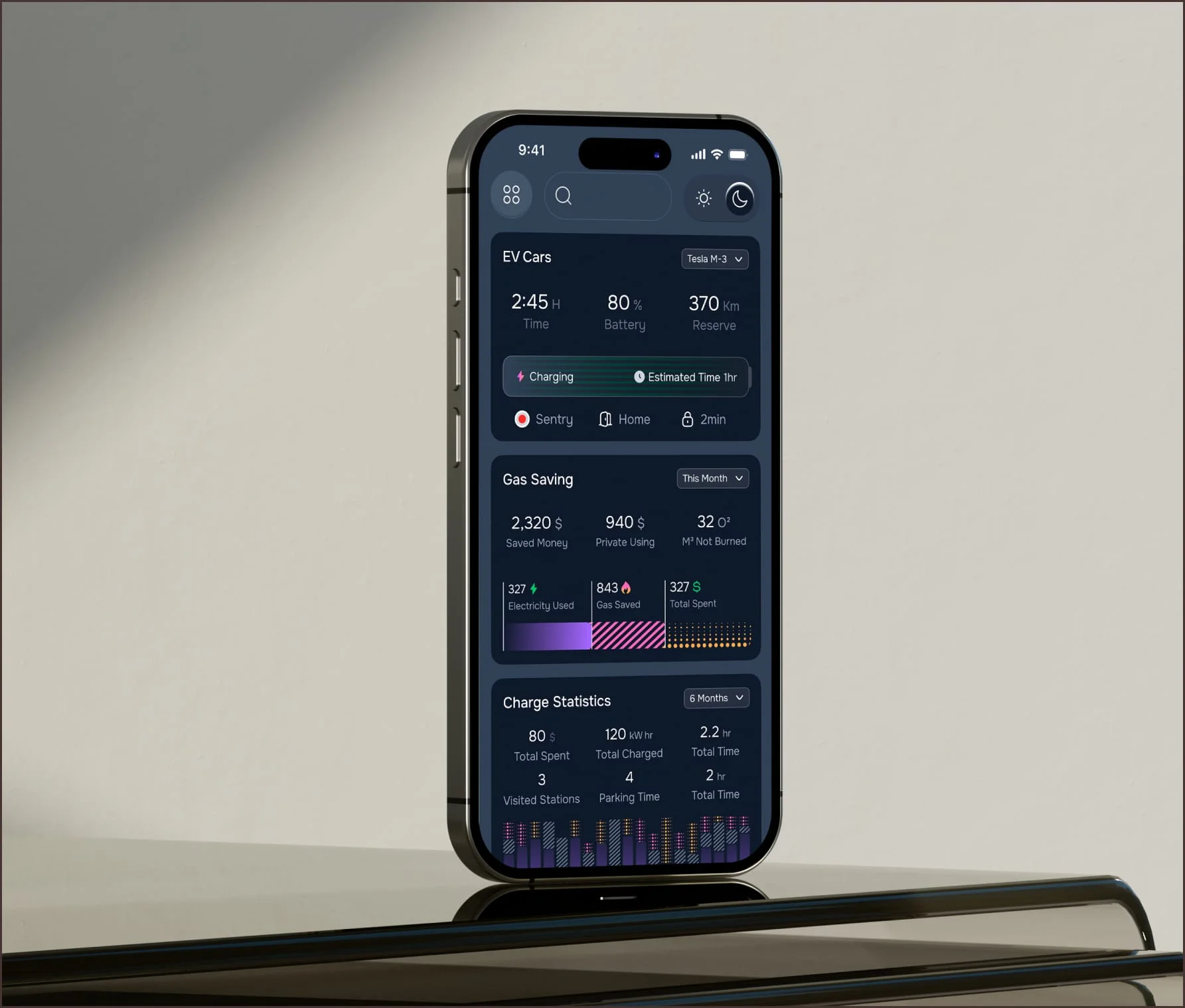
Panze builds the part of the platform that has to work on a phone, which is rarely all of it. We agree which jobs belong there before building any of them.

What We Build
The interface is the part everyone sees and the smaller half of the work. These are the pieces that decide whether a product survives having customers.
Tables, filters, charts and exports that stay usable when the data gets real. A dashboard that works on twelve rows and falls over on twelve thousand is a demo, not a product.
Sign-up, sign-in, password reset, invitations, teams and roles. Who can see what, enforced on the server rather than hidden in the interface, because hiding a button is not a permission.
Plans, trials, upgrades, failed payments and the invoices your client's accountant will ask for. Billing is where most products leak money quietly, so it is built and tested deliberately.
The screens your client's own team needs to run the thing — finding a customer, fixing an order, answering a support email. Products ship without this constantly, and then the founder is doing it in the database.
The product talking to everything else it has to: payment providers, email, analytics, CRMs, and whatever your client already runs their business on. Including the unglamorous part, which is what happens when one of them is down.
Staging that matches production, deploys that are boring, backups that have been restored at least once. The point of this work is that nobody thinks about it again.

Benefits
Selling a platform is easy. Delivering one is where agencies get hurt, and these are the four things that decide which way it goes.
We tell you what release one should contain and what it should not, before the quote. A scope that was never going to fit the budget is a problem you inherit, not us.
Panze designed products for ten years before building them. The screens and the system come from the same team, so nothing is lost in a handover between a design studio and a dev shop.
Repositories, environments and third-party accounts transfer at handover. No licence, no retainer required to keep it running, nothing that breaks if you never call us again.
We work in your tools and under your brand. White label builds stay off our portfolio permanently, and that goes in writing before the project starts.
Industry Expertise
Panze builds SaaS platforms for agencies serving finance, health, commerce and operations clients. What changes between them is who may see what, how the data has to be handled, and how much of the product the client's own team has to run.
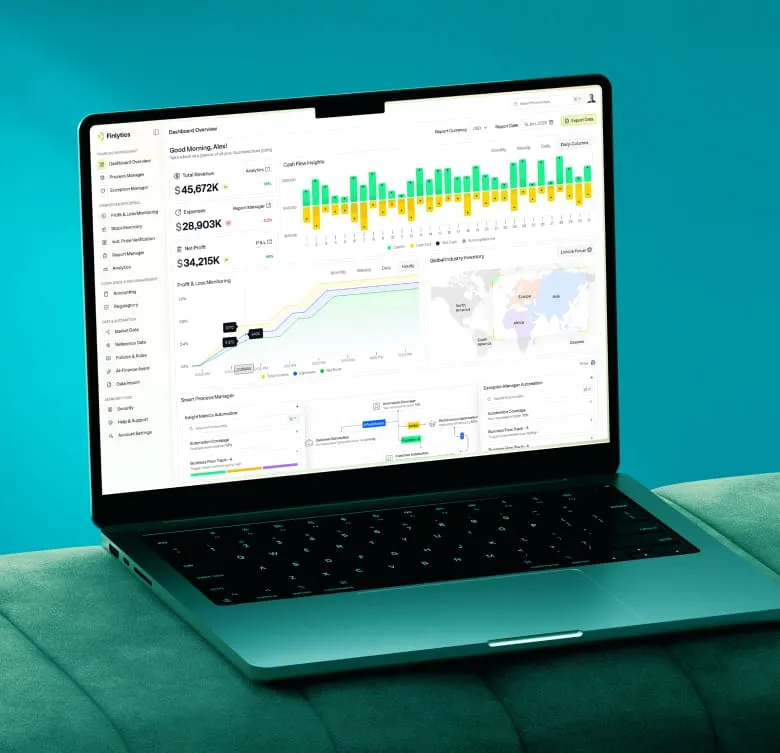
We build financial platforms with permissions, audit trails and reconciliation treated as product features rather than as something to add before launch.
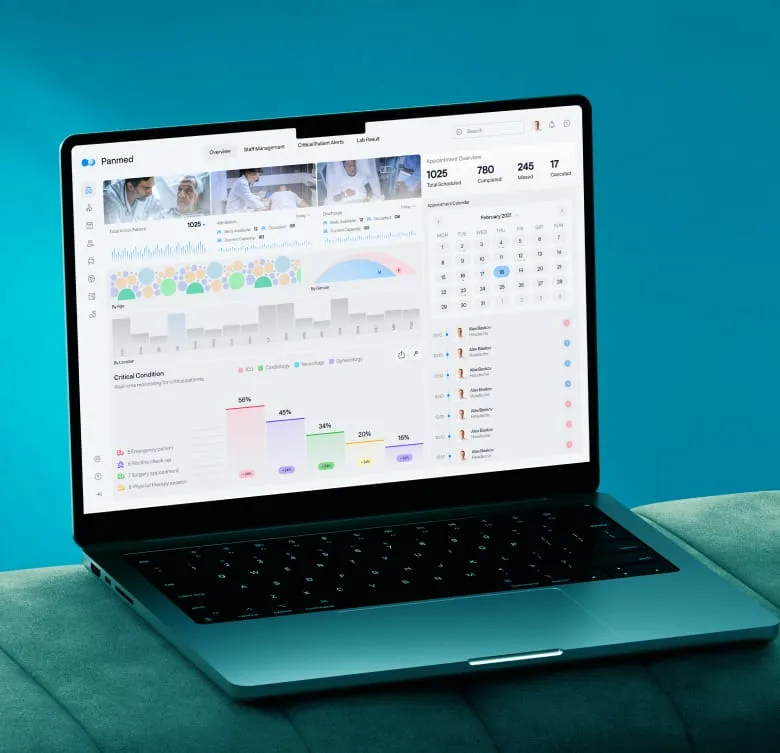
We build clinical platforms where access control, consent and where the data lives are decided at the data model rather than at the interface.
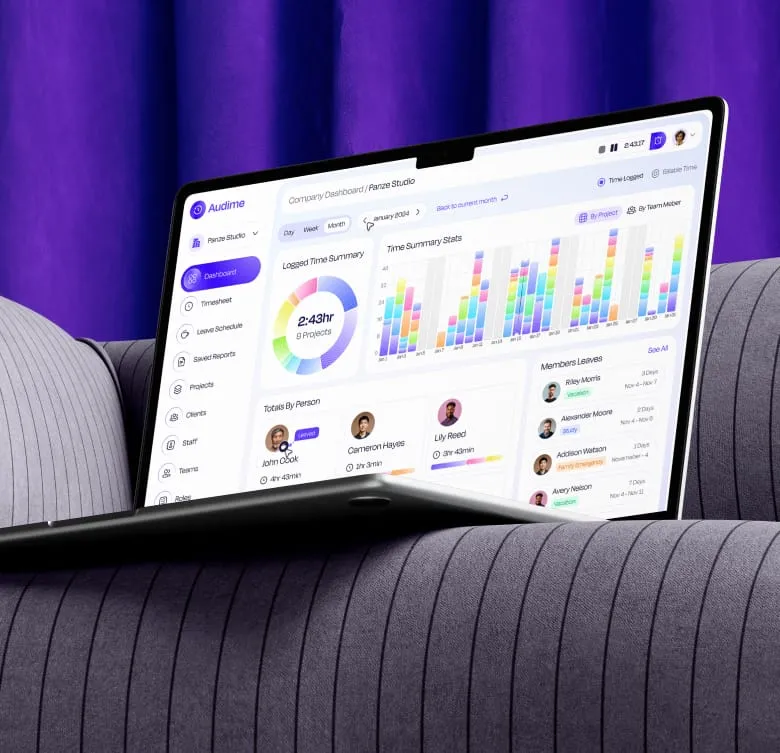
We build analytics products that stay fast on real volumes, with the queries, caching and export paths planned before the first chart is drawn.
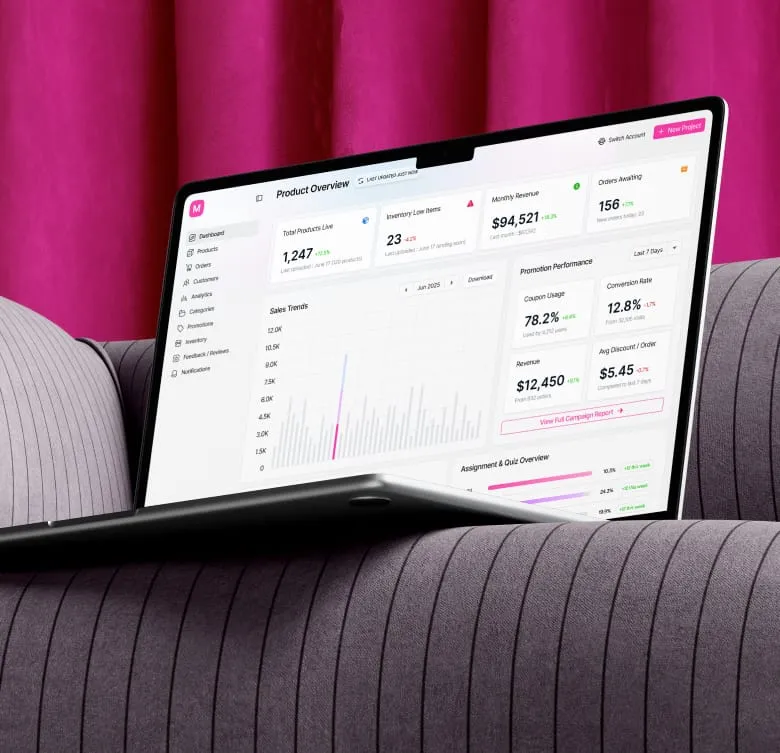
We build merchant platforms with catalogues, orders and integrations that hold up during the week of the year that actually matters.
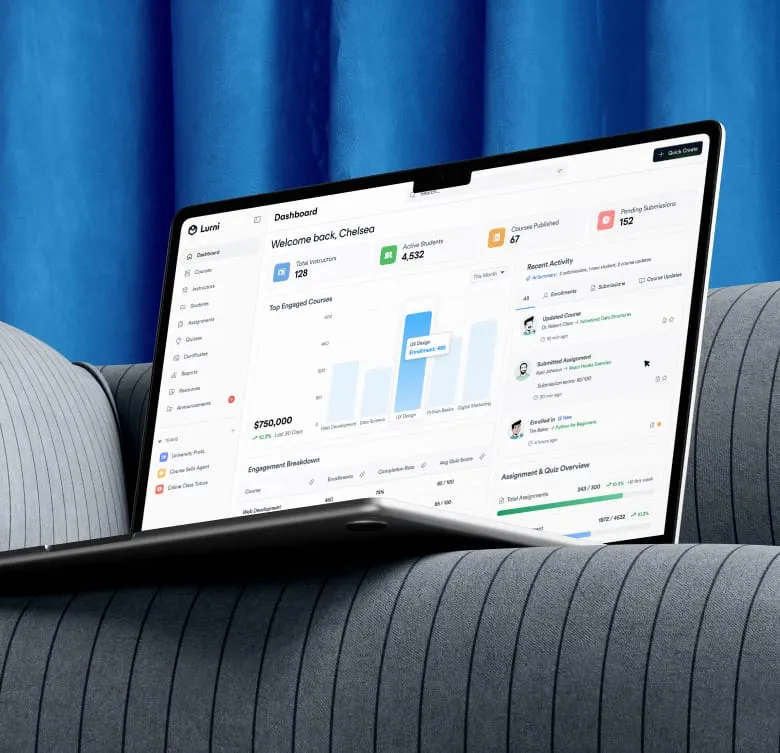
We build learning platforms with cohorts, progress and the institution-level admin that decides whether a school renews.
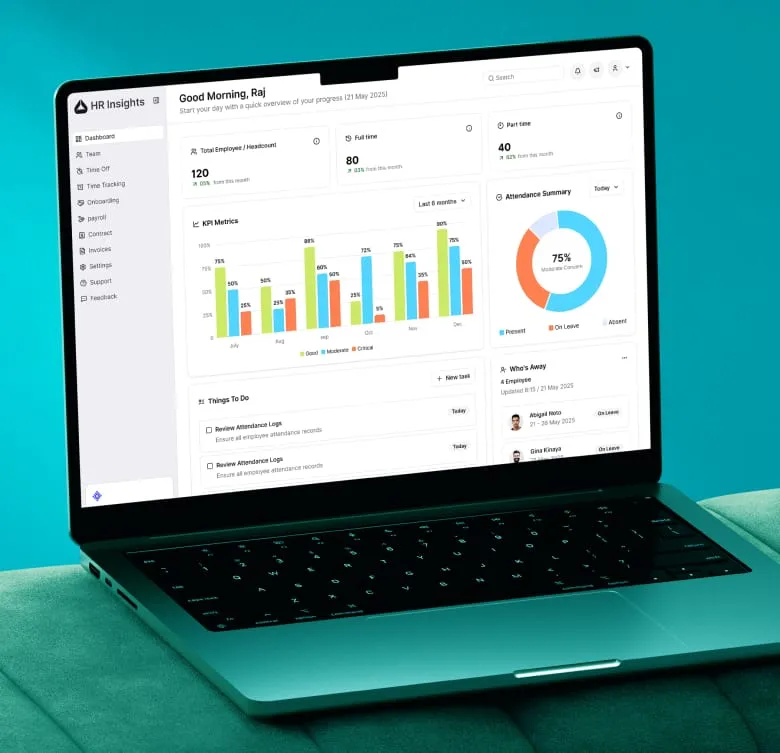
We build people platforms where the permission model is the product: who sees a salary, who approves a request, who may leave a note on a record.
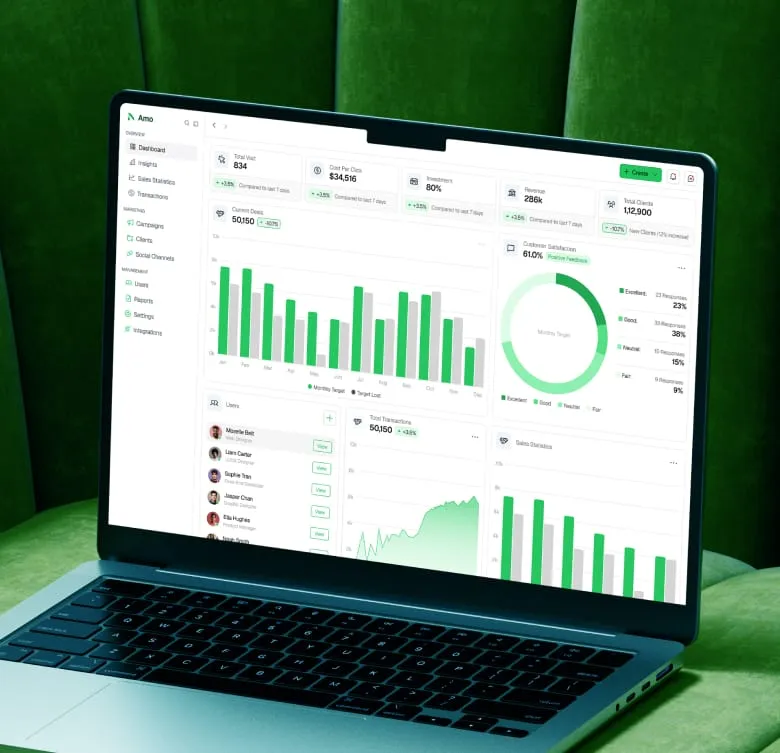
We build marketing platforms with the integrations, scheduling and reporting that growth teams judge a tool by within the first week.
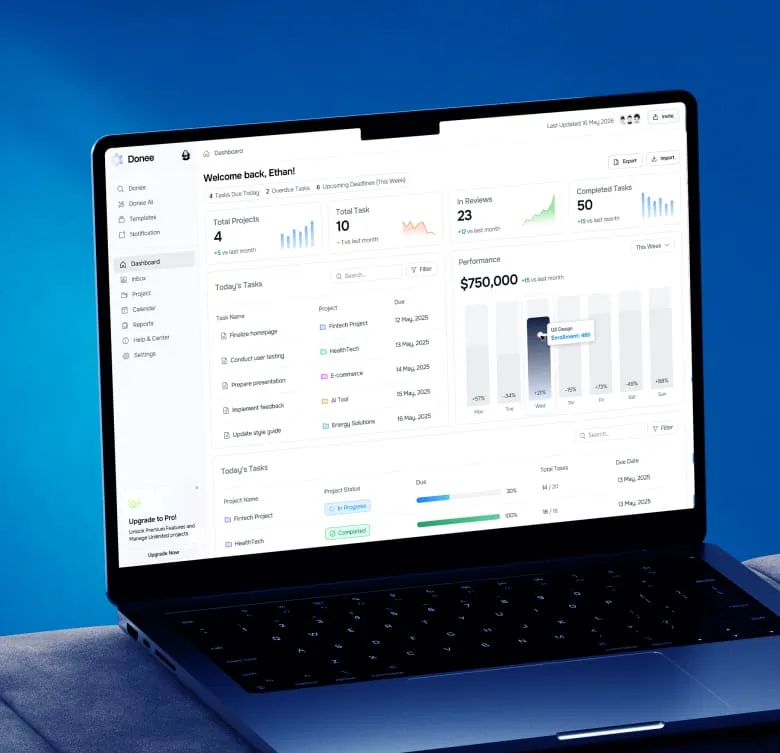
We build collaboration tools with real-time updates, notifications and the permission rules that keep one client's work out of another client's view.




















Frequently Asked Questions
Scope, ownership, timelines, and what happens after launch.

Contact
No pitch decks. No jargon. Just a conversation about what you're building, and how we can help.

Mahmudul Hasan Manik
Founder & CEO

