
Mirroring and Layout Direction
Navigation, reading order and progress flip. Logos, media controls and time-based charts hold still. The line between them is decided once and written down.

Panze designs right-to-left interfaces for Arabic, Hebrew, Farsi and Urdu users. Mirroring an interface is a set of decisions, not one switch: some things flip, some must not, and Arabic script needs type set for its own shapes rather than a Latin scale reused. We settle those decisions with you and hand your developers a build that stays correct in both directions.

Our Process
Most RTL work goes wrong in the same two places: someone mirrors everything including the things that must never mirror, and someone reuses the Latin type scale for Arabic. We settle both before visual design starts, so the second direction is not a round of fixes after launch.

Services
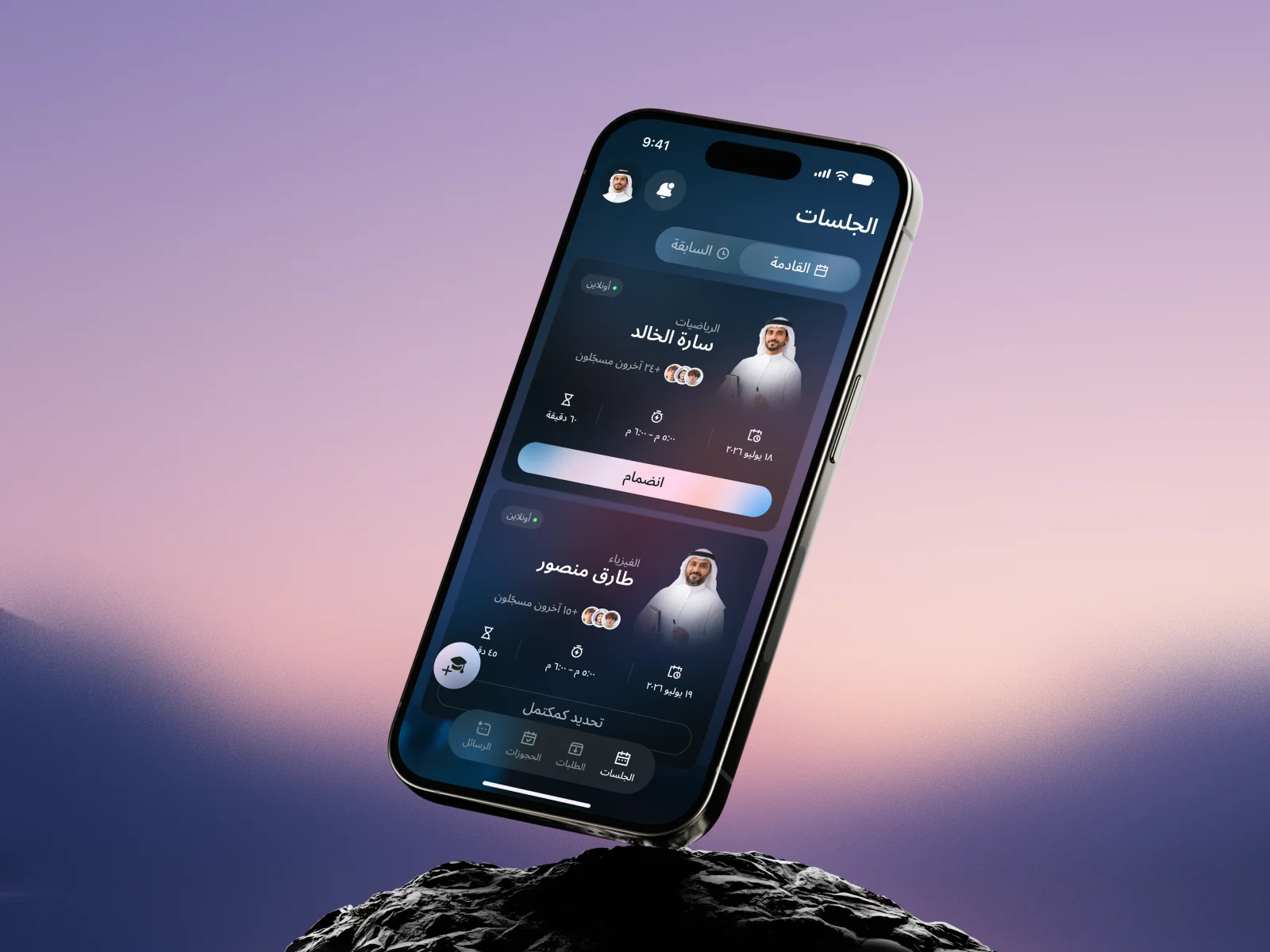
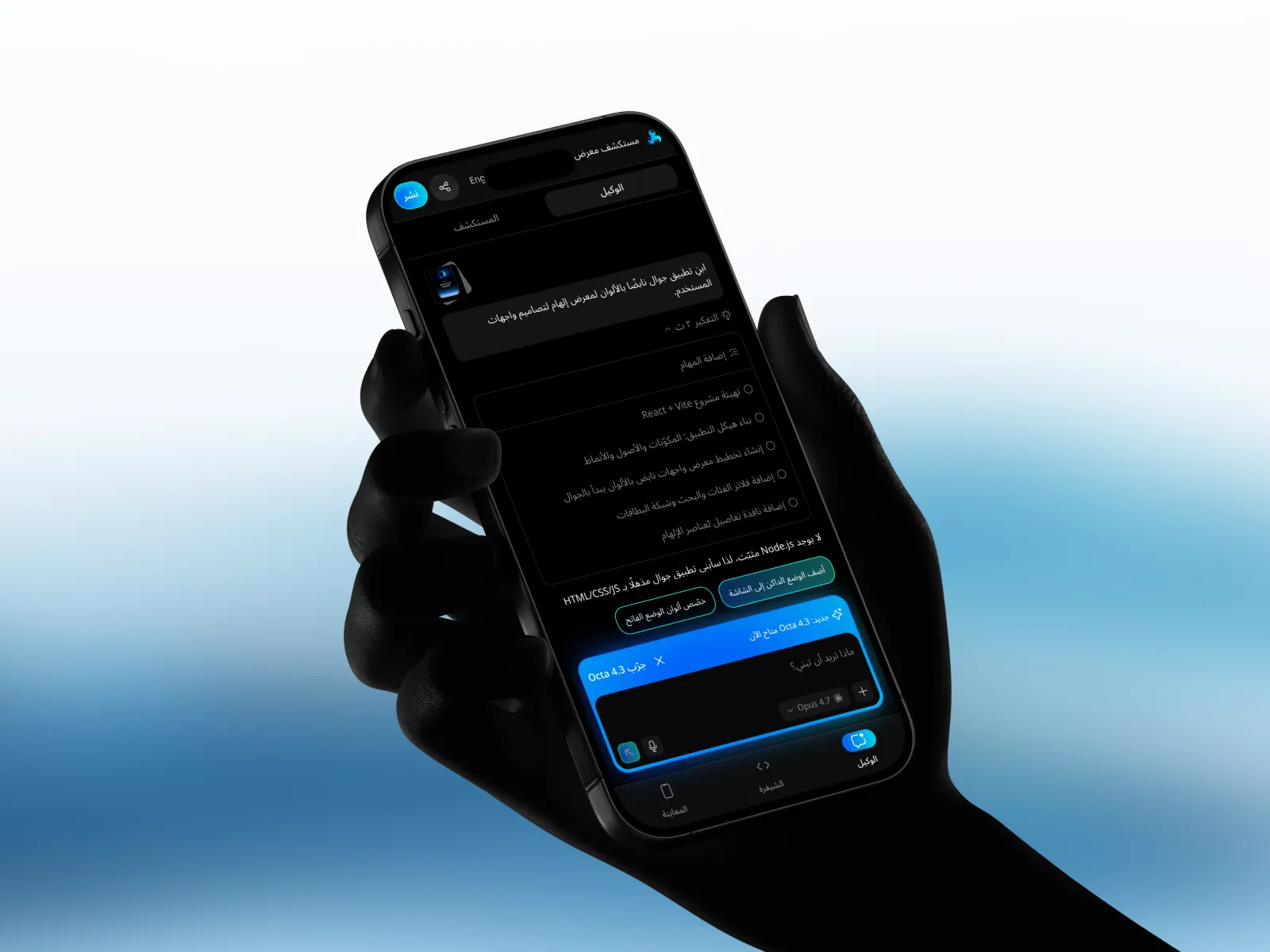
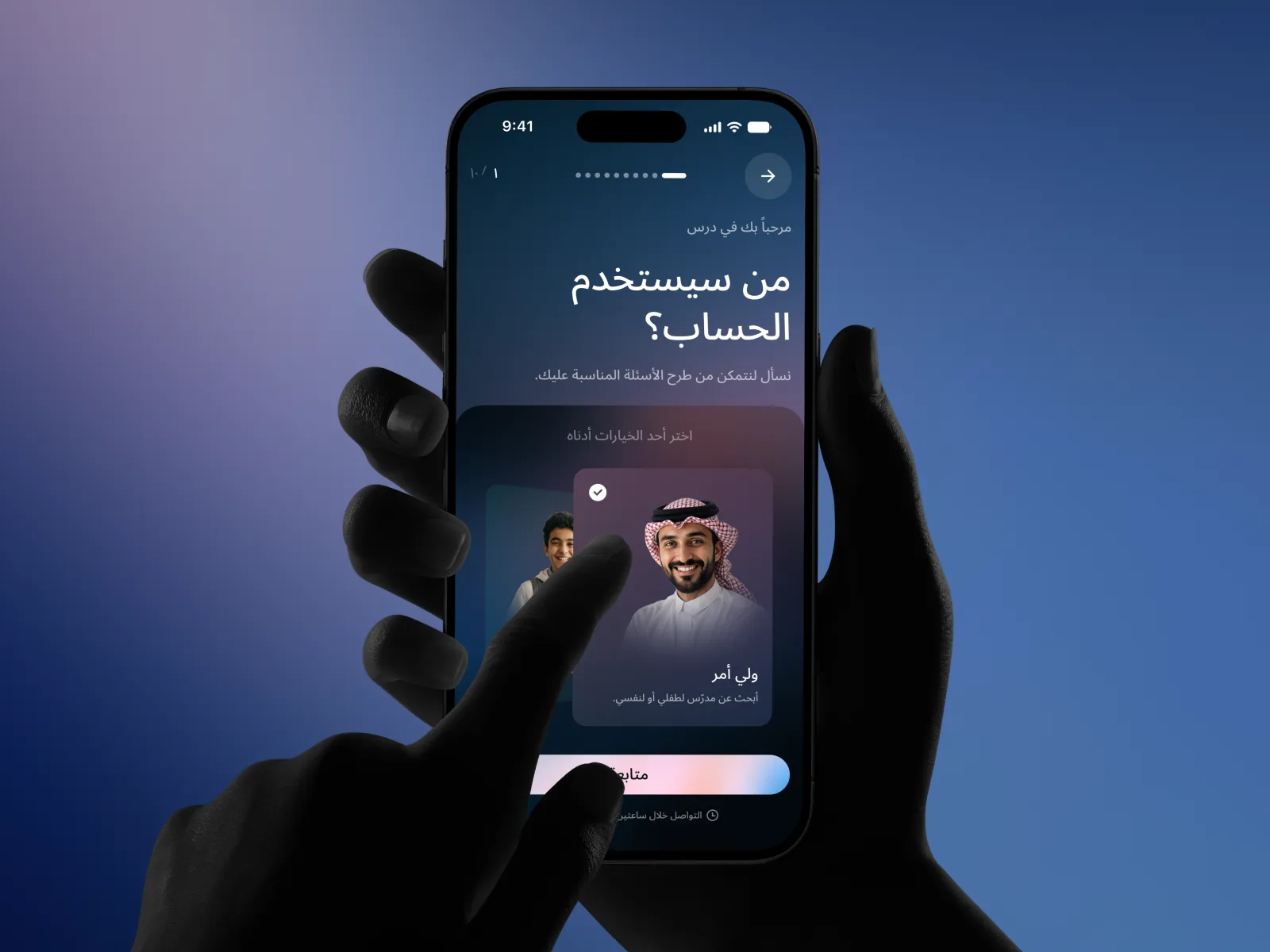
Panze designs iOS and Android apps that read right to left, where the tab bar, the back gesture and every screen transition reverse with the language, and Arabic copy has to fit a column that was never going to get any wider.
Services
Panze designs iOS and Android apps that read right to left, where the tab bar, the back gesture and every screen transition reverse with the language, and Arabic copy has to fit a column that was never going to get any wider.
Panze takes a product that was designed left to right and works out what the second direction actually requires, screen by screen, instead of flipping the whole thing and hoping the exceptions go unnoticed.
Panze designs products that serve both directions from one codebase, where a user can switch language without meeting a screen that was clearly built for the other one.
Panze audits an existing RTL build for the usual faults — mirrored logos, reversed numerals, arrows pointing the wrong way — and leaves behind a component library with the rules written into it.
Panze designs RTL work for your clients under your agency name, which is how most agencies take on a Gulf or Levant project without hiring for a language their team does not read.

Portfolio
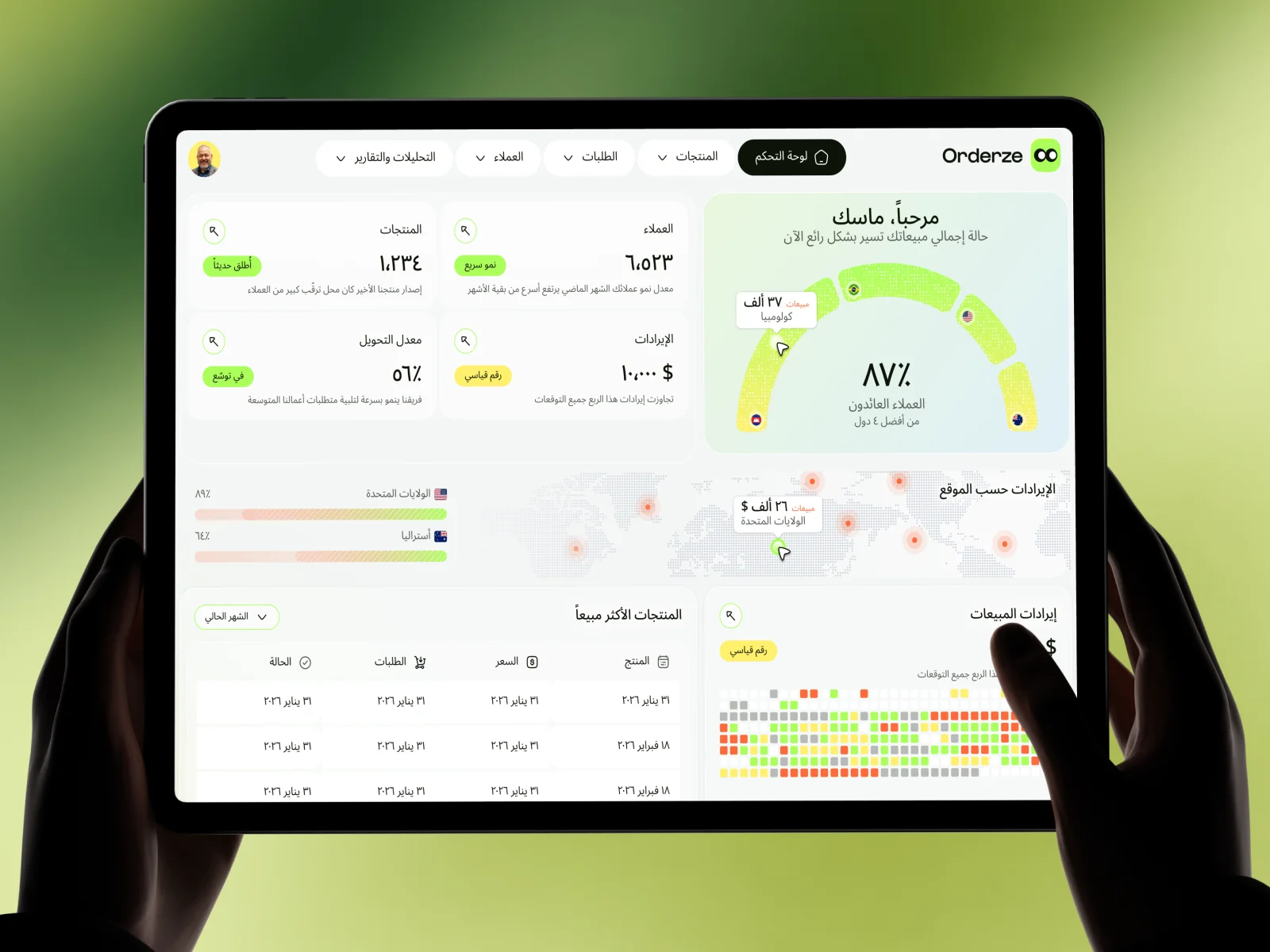
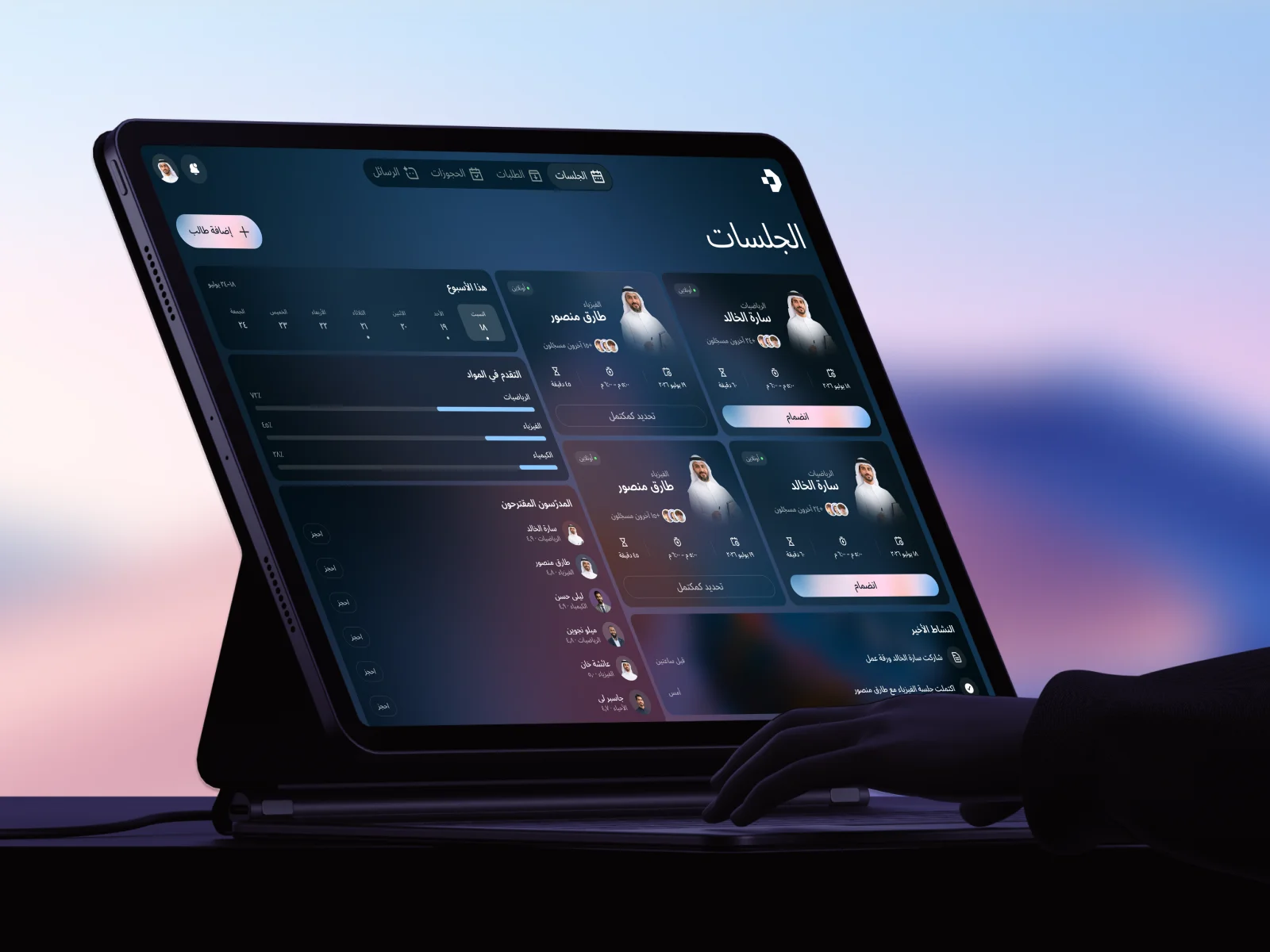
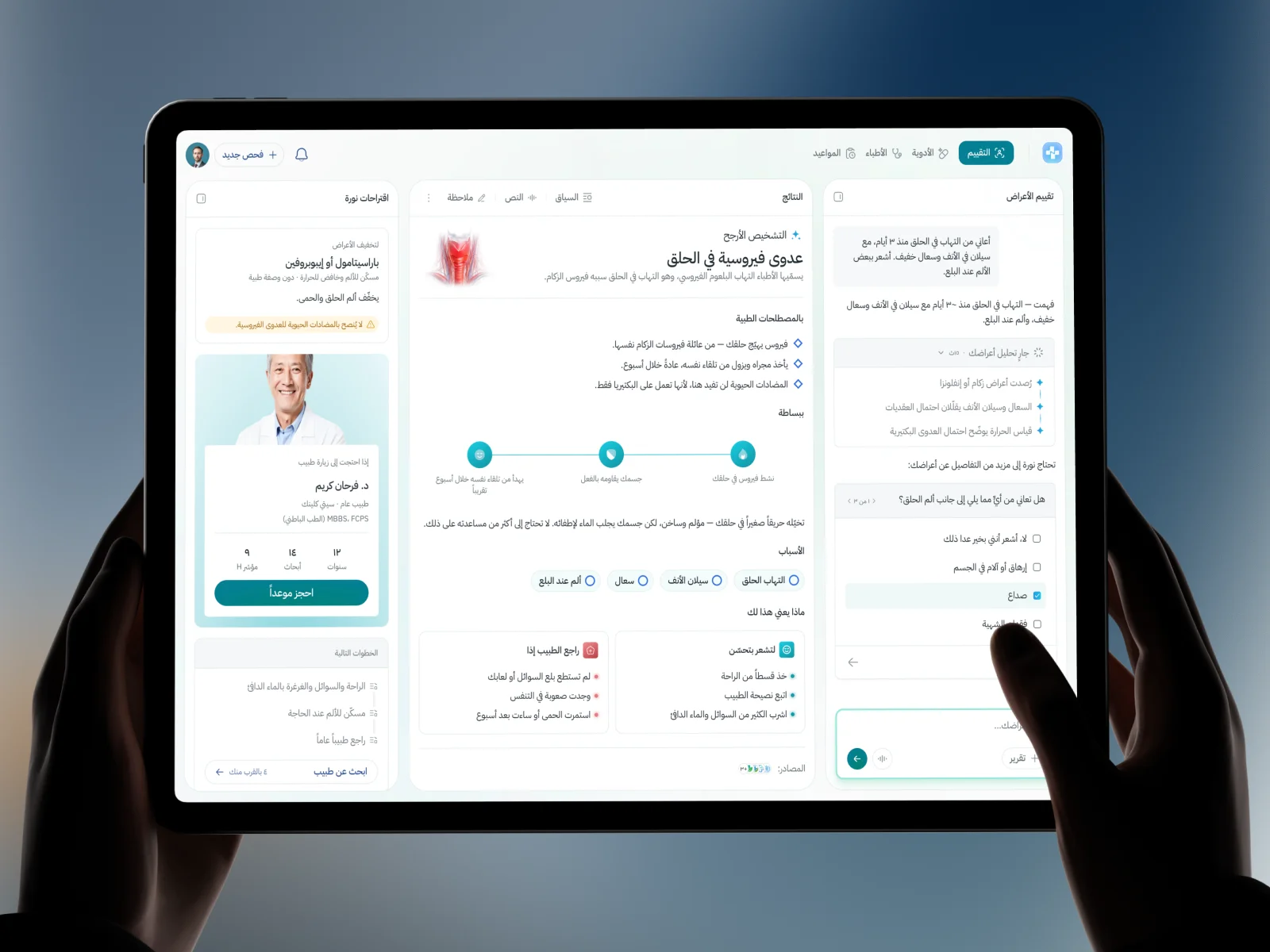
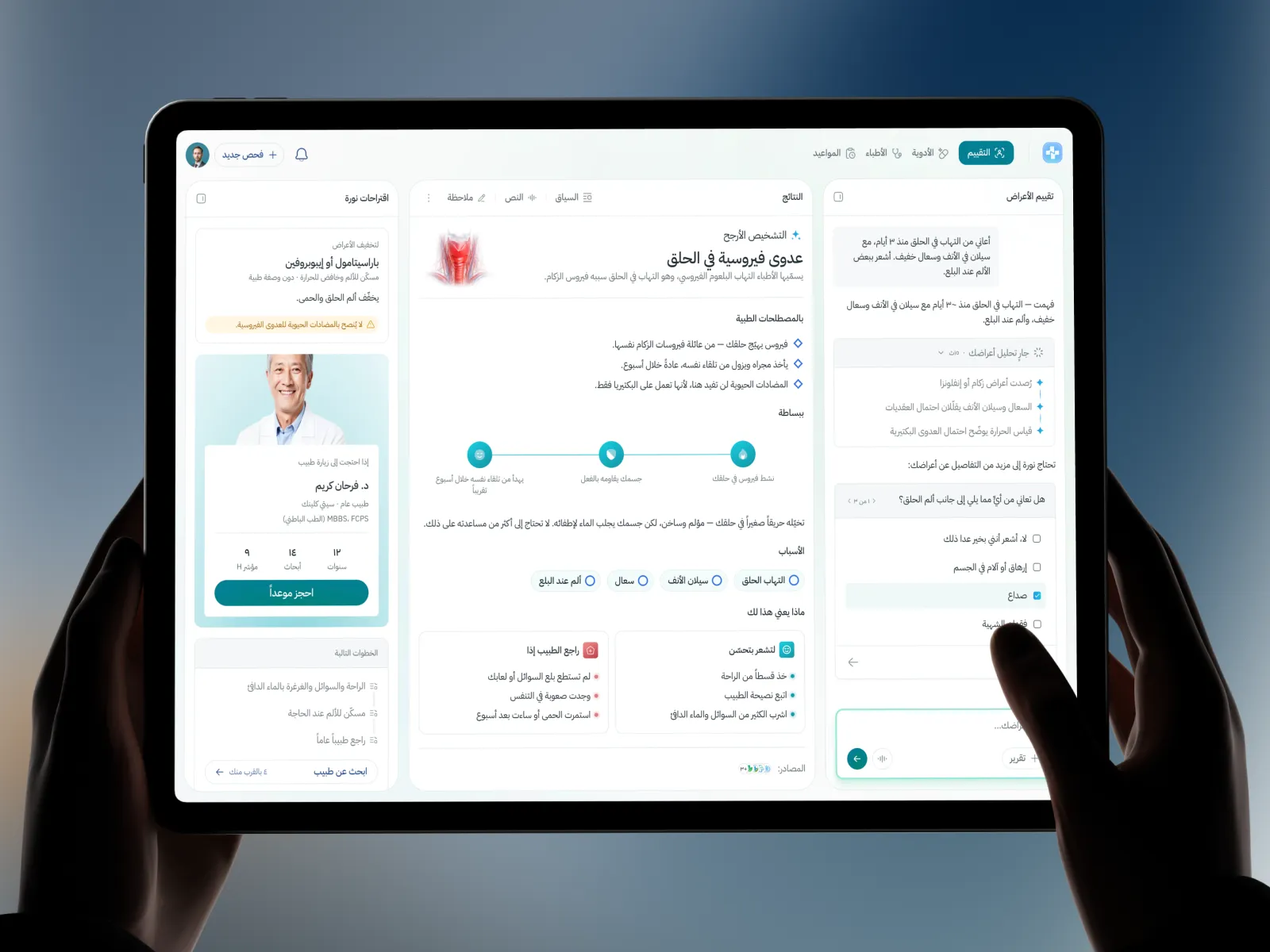
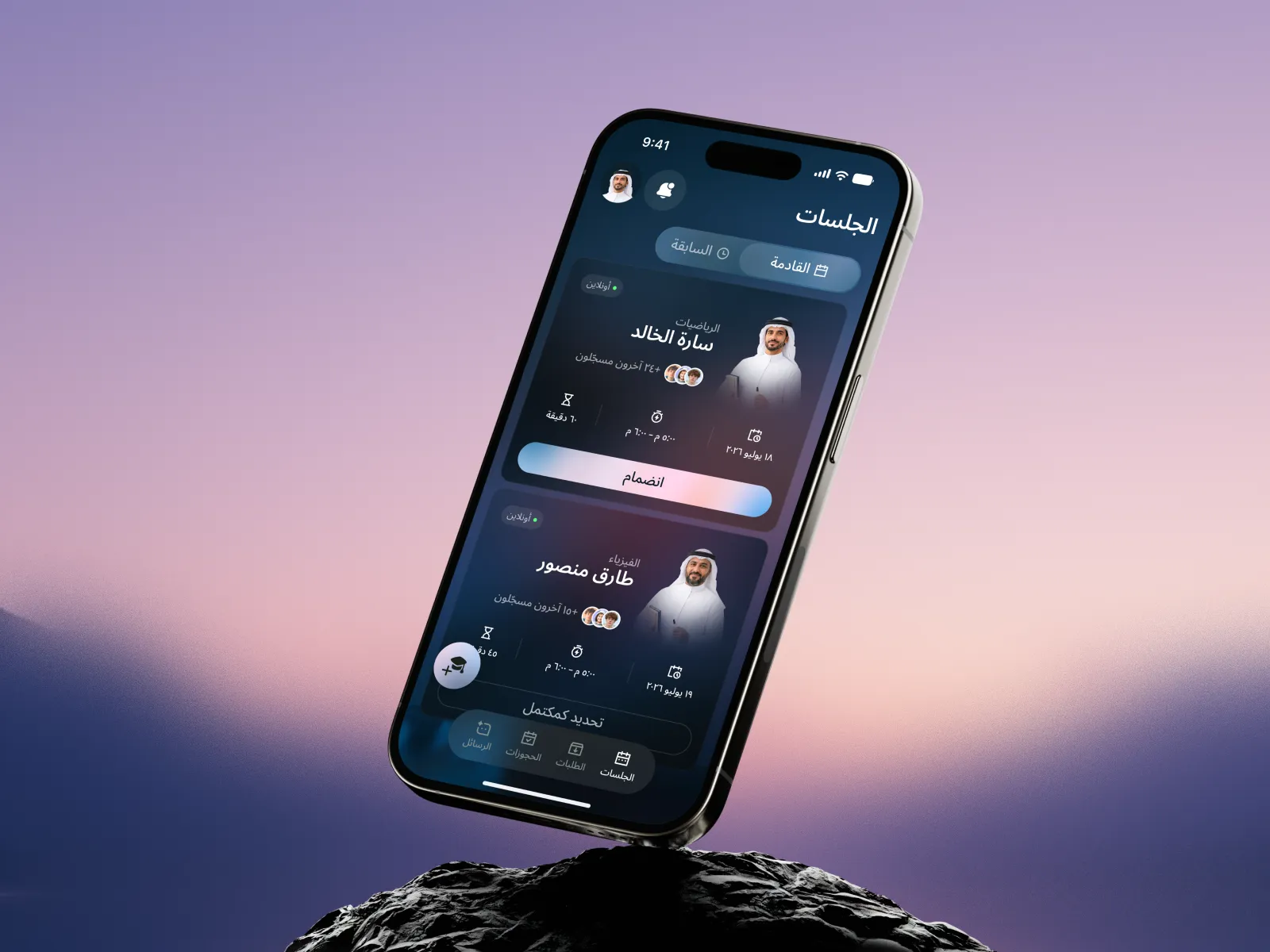
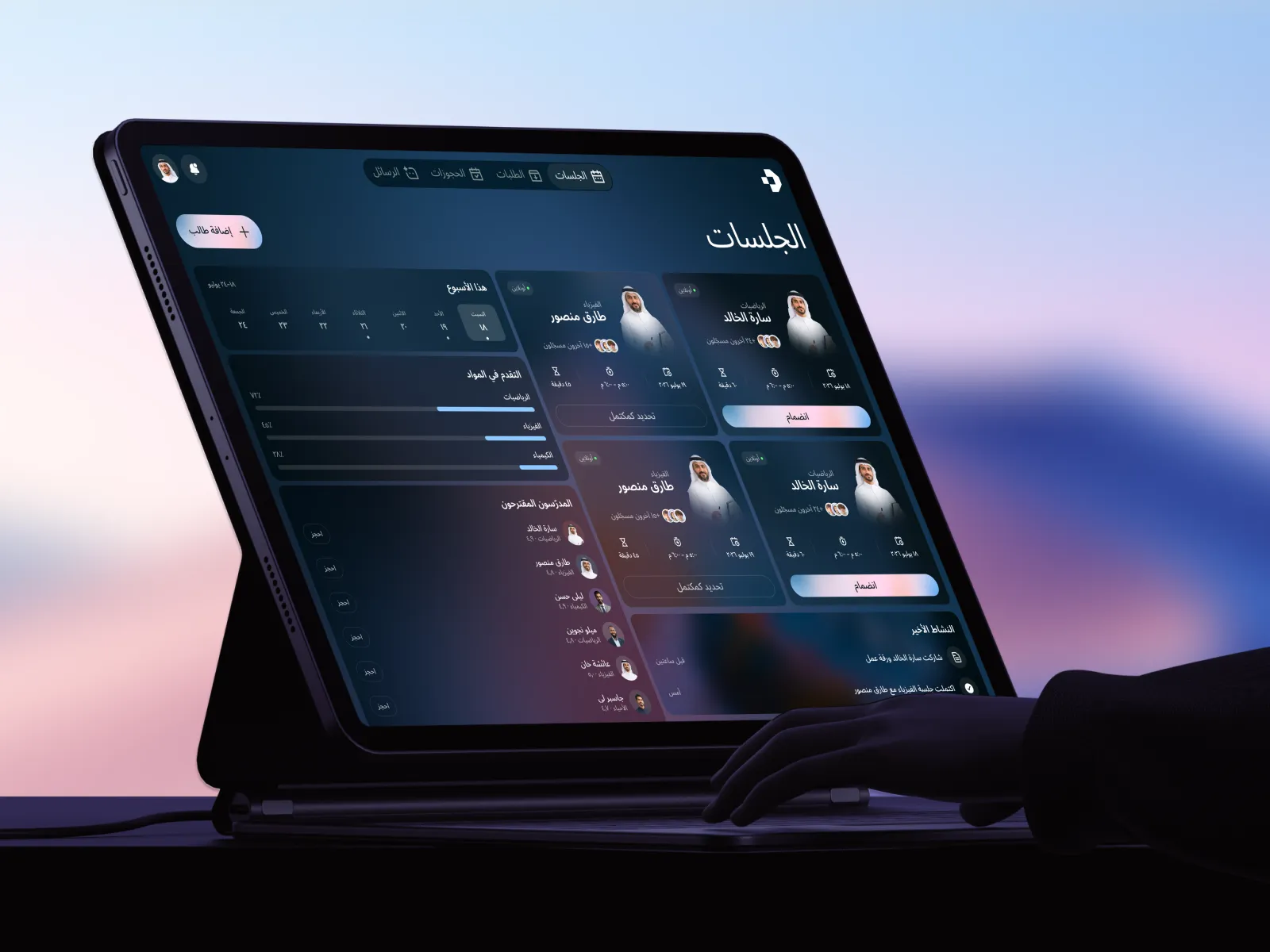
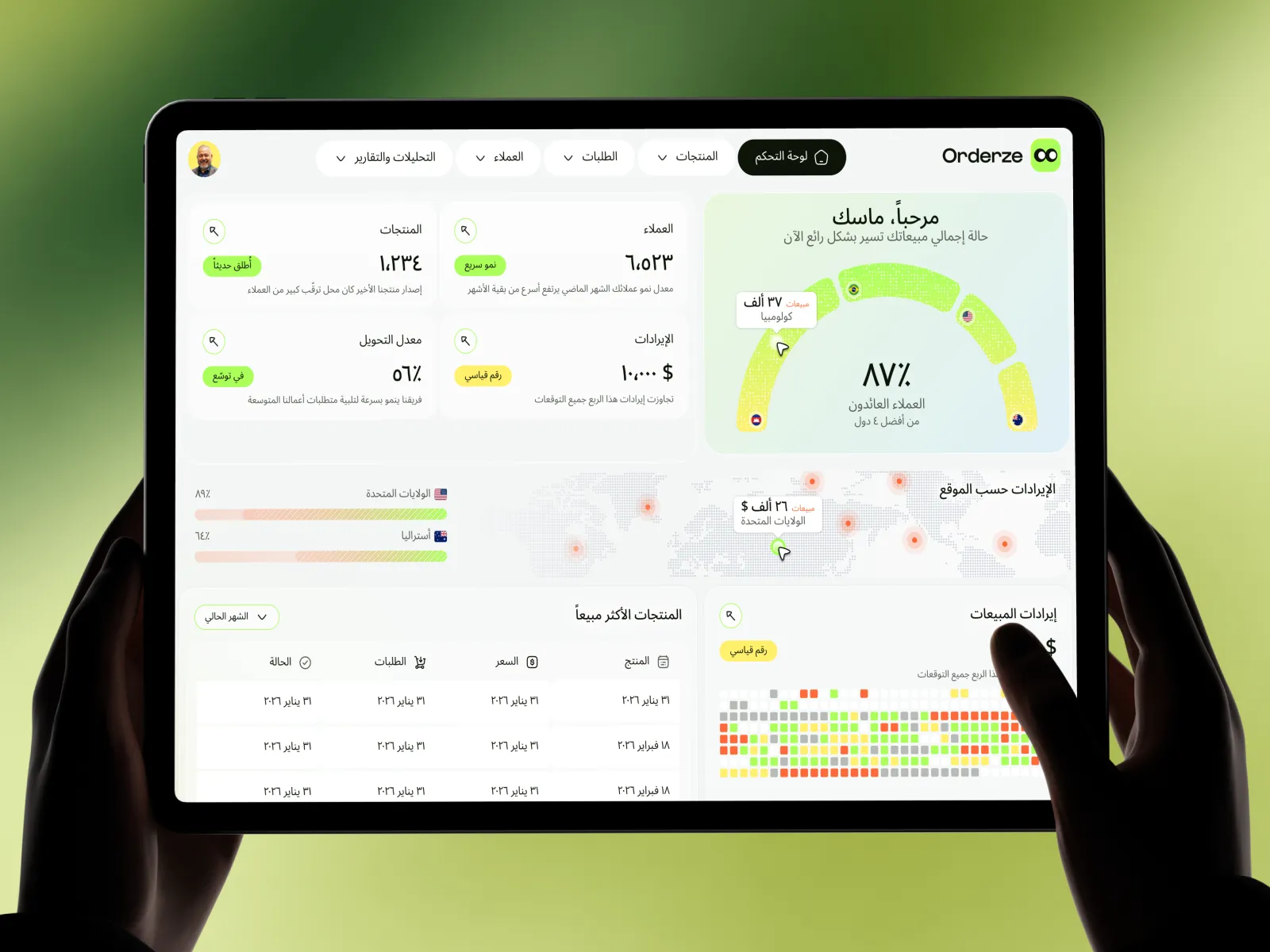
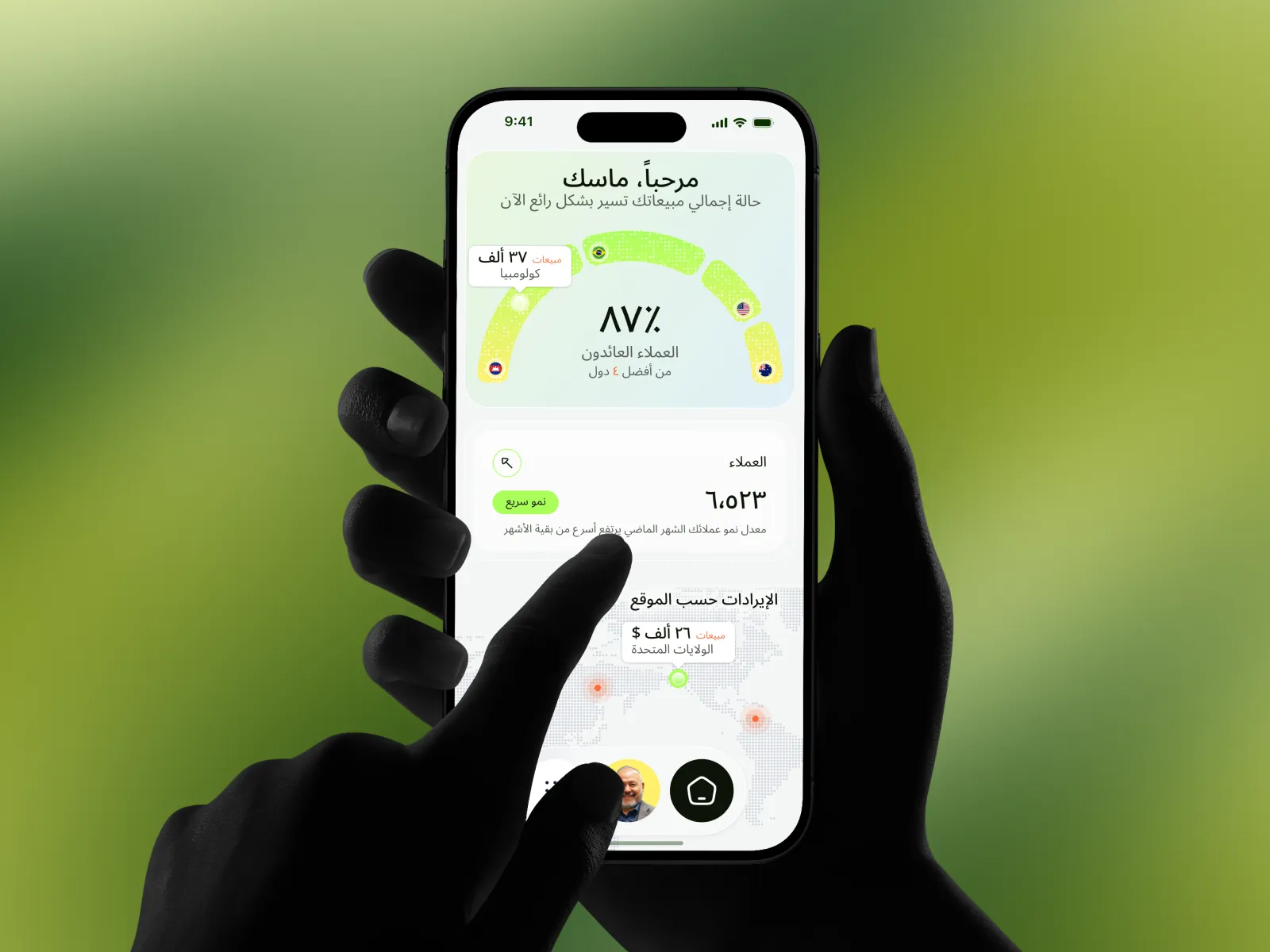
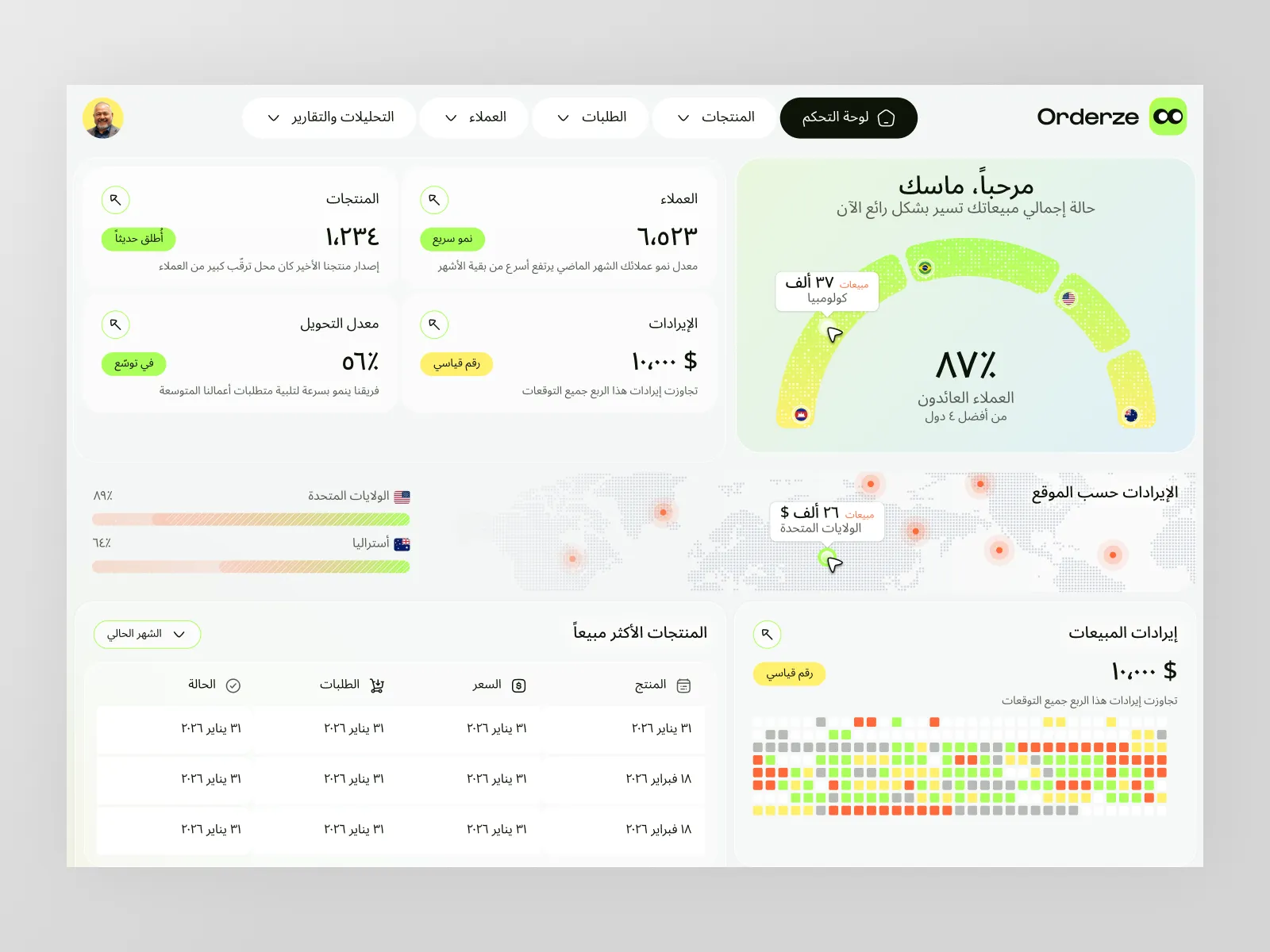
Screens from real projects, not mock-ups of them. An Arabic tutoring platform and a commerce dashboard, both designed to be read from the right rather than translated into it: mirrored navigation, Eastern numerals where the market expects them, and tables that run the way the language does.

Frequently Asked Questions
Answers to the questions teams ask before starting an RTL design project with Panze, covering scripts, conversion, typography, review, and what your developers receive.




















Benefits
RTL work is usually handed to a team that has never read the language, and the result passes review in the design file and fails with the people it was made for. Panze treats the second direction as a design problem with its own decisions rather than a setting to be switched on at the end.
What mirrors and what holds still is decided once and written down. Your team stops re-arguing it screen by screen and your build stops contradicting itself.
Arabic and Hebrew get their own scale, line height and spacing. Not a Latin design with a different font dropped into it at the same size.
Screens are reviewed by people who actually read the language before they reach you, so awkward wording and spacing are caught in design rather than after launch.
Specs use logical properties, so your developers ship a single codebase instead of two stylesheets that slowly drift apart over the next year.
Every screen, component and asset belongs to you outright. Hand the files to any team anytime with no restrictions or fees.
Panze works as your invisible extension. Your clients see your brand on every deliverable while we stay completely behind the scenes.
Industry Expertise
Panze designs RTL interfaces for teams selling into the Gulf, the Levant, North Africa, Israel, Iran and Pakistan. What changes between them is how much of the product is read in Arabic or Hebrew and how much has to hold both languages at once.
Banking and payment interfaces where numerals, currency and dates follow local convention rather than a mirrored copy of the English screen, and where a misread figure is expensive.
Catalogue, search and checkout that read right to left, with product names and reviews arriving in two scripts and sitting together without breaking the layout.
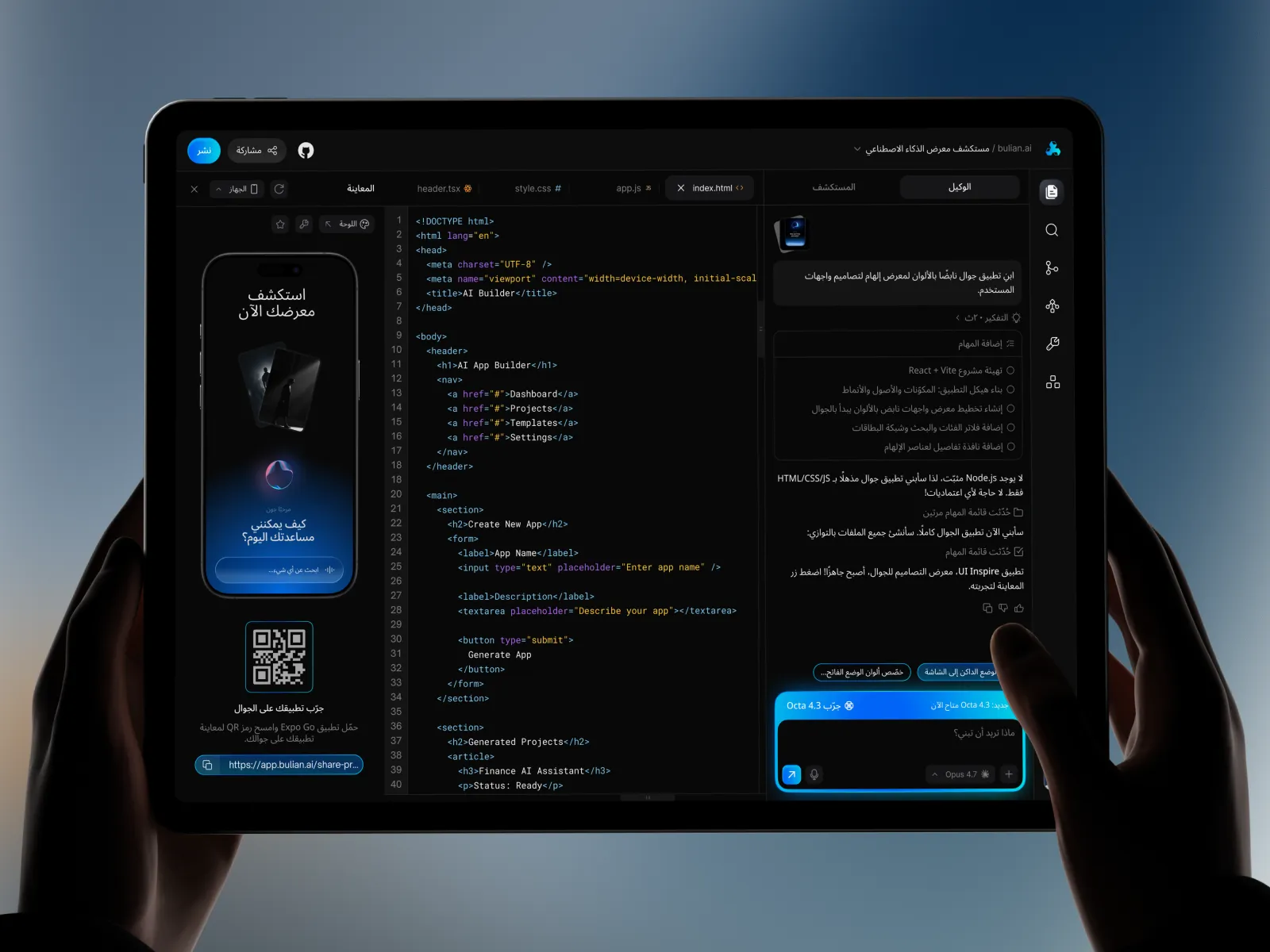
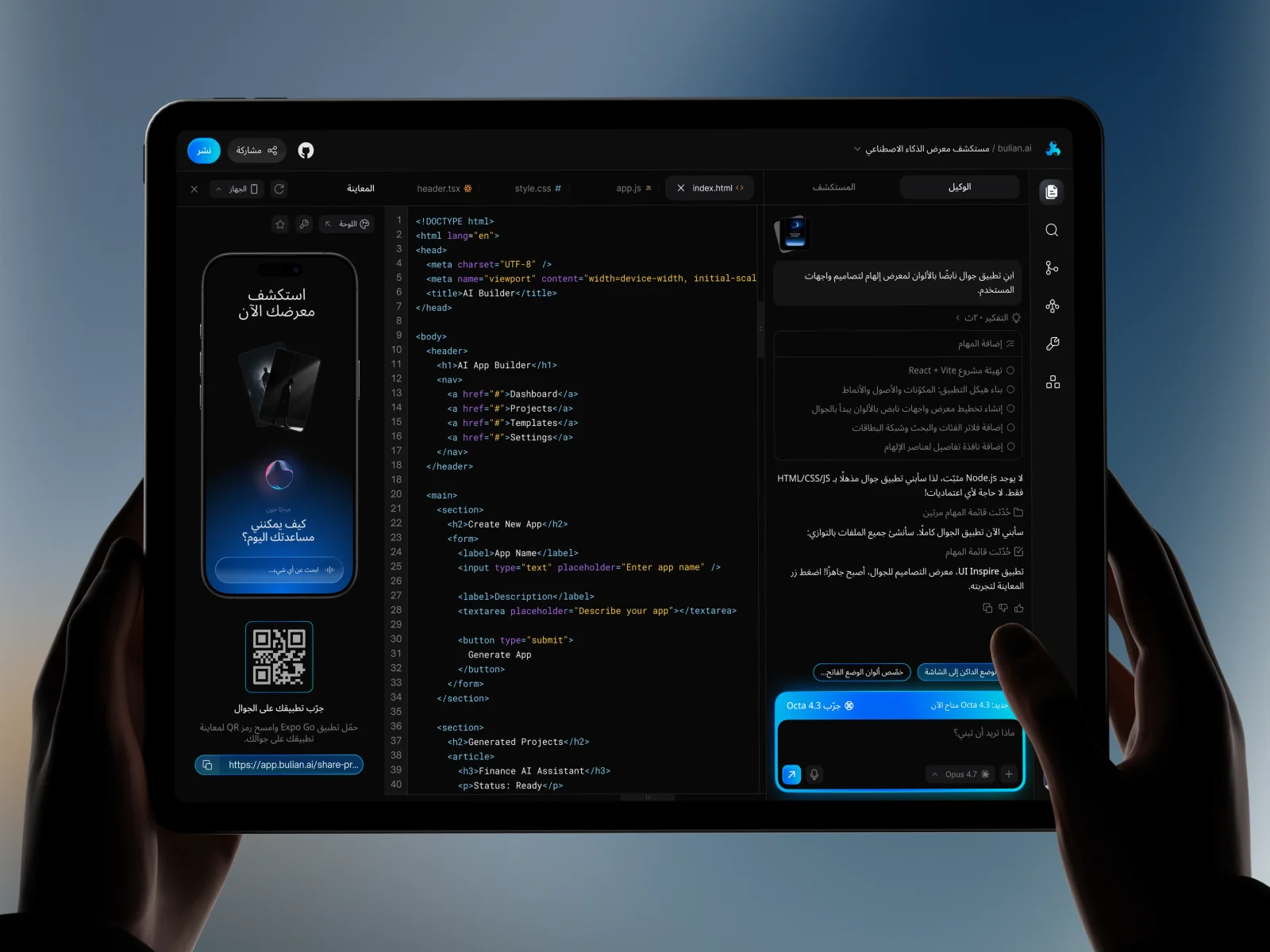
Dashboards and settings where the interface mirrors but the data, the charts and the code samples inside it do not, which is where most SaaS conversions come unstuck.
Clinical and patient-facing screens where accuracy in the second language matters as much as in the first, reviewed by native readers before anyone relies on them.
Public services that must serve Arabic and English equally, meet accessibility requirements in both, and hold long official text without the layout giving way.
Learning platforms where lessons, exercises and student work mix scripts constantly, and where reading comfort over long sessions decides whether the product is used.
Employee records, org charts and policy documents where names arrive in two scripts at once, and where an org chart has to branch in the reading direction without inverting the hierarchy it describes.
Dashboards where the interface mirrors and almost nothing inside it does: a chart's time axis still runs left to right, figures keep their order, and only the furniture around them moves.
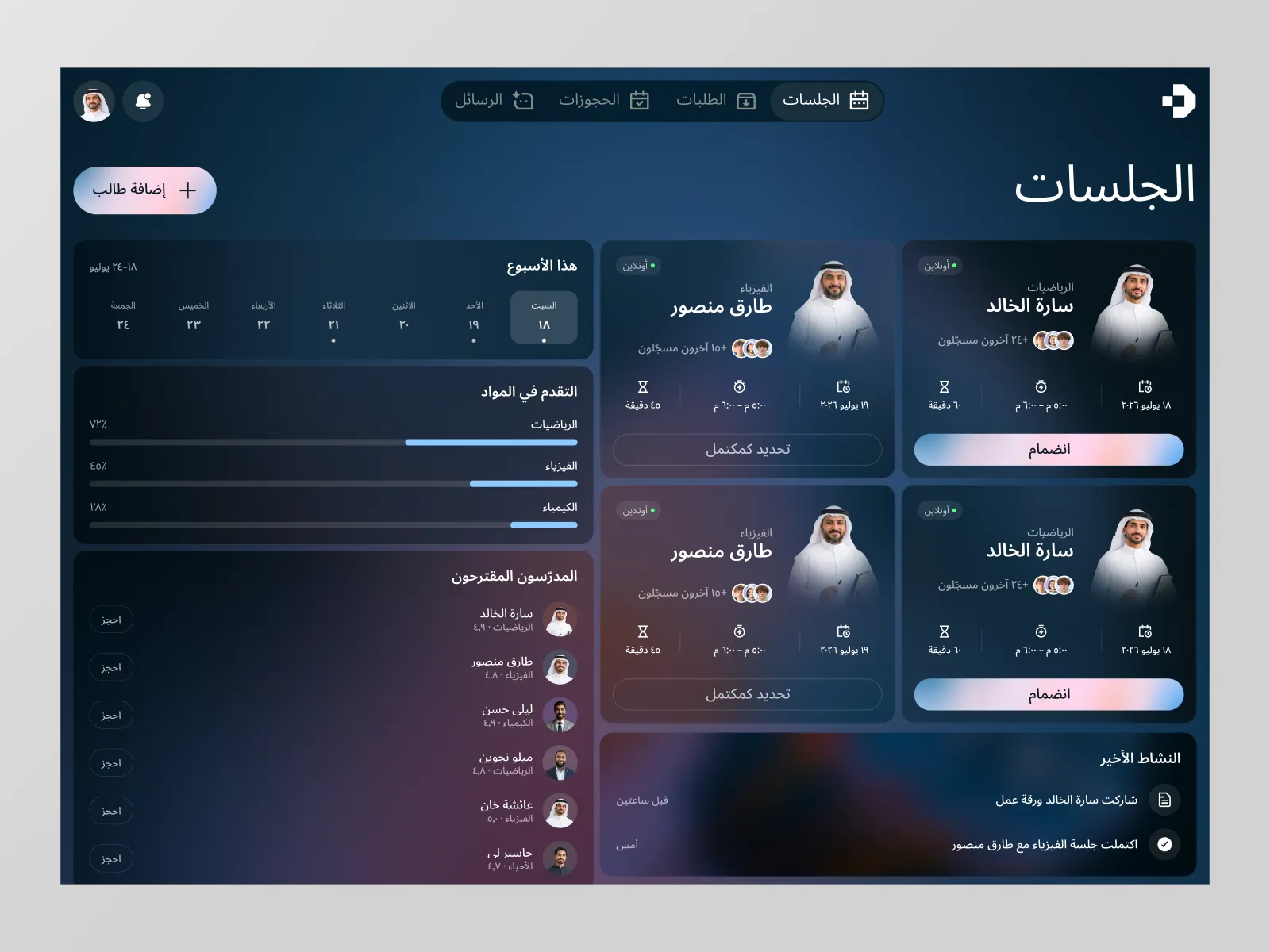
Boards, backlogs and timelines where the columns flip but the Gantt bars do not, because time does not run backwards for an Arabic reader any more than it does for anyone else.
Campaign tools holding ad copy in two languages at once, where a preview has to show the Arabic creative the way the audience will see it rather than in the direction the dashboard happens to use.
Feeds, comments and profiles where every post is a mixture nobody controls, of Arabic, English, handles, hashtags and links, and the layout has to stay readable whatever order they arrive in.
Internal tools rolled out across offices that do not share a language, where one build has to serve both directions because nobody is maintaining a second front end for the regional team.
A first version built right to left from the start, which costs far less than adding the direction once the product has grown a few hundred screens.
RTL work your agency sells under its own name, for the Gulf or Levant client you would otherwise turn down because nobody on the team reads the language.

Design Expertise
Panze covers the whole of an RTL project: deciding what mirrors, setting type for the script, holding both languages in one component library, and writing the handover so the build stays correct in both directions.
Navigation, reading order and progress flip. Logos, media controls and time-based charts hold still. The line between them is decided once and written down.
Type chosen and scaled for connected Arabic letterforms and for Hebrew, with line height and spacing set for the script instead of inherited from the Latin design.
One library whose components hold in both directions, so a screen built in English does not need rebuilding when it is shown in Arabic.
Eastern or Western numerals, calendar and currency format chosen per locale rather than assumed, because the wrong choice reads as careless to the people it is for.
English brand names, URLs and code sitting inside Arabic text, laid out so the order stays readable rather than scattering when the two scripts meet.
Arrows, back and forward, and anything implying progress get a direction rule. Icons that carry no direction are left alone, as is photography.
Handover written in start and end rather than left and right, so your developers ship one codebase that serves both directions correctly.

Contact
No pitch decks. No jargon. Just a conversation about what you're building, and how we can help.

Mahmudul Hasan Manik
Founder & CEO

