Graphic design trends shape how brands look across every screen, shelf and social feed. In 2026, they come from AI-assisted workflows, fast social cycles and nostalgia. They also reflect a clear pushback against polished AI visuals.
The top styles include neo-minimalism, retro futurism, hand-drawn elements and saturated color. AI now handles production tasks, while human art direction decides what ships. Color leans on Pantone's soft white Cloud Dancer and punchy contrast duos.
Typography goes big, bubbly and bold. Meanwhile, beige minimalism and generic stock visuals are fading from leading brands. At Panze, we treat trends as a layer on a strong brand identity, never a replacement.
Below, you'll see how to apply the latest graphic design trends and keep them fresh.
Quick Answer: The top graphic design trends in 2026 are AI-assisted hybrid workflows, anti-perfection hand-drawn design, tactile craft and texture, neo-minimalism, and maximalist collage layouts. Color trends center on Pantone's Cloud Dancer soft white and high-contrast saturated duos, while typography leans bigger, bubbler, and more expressive. AI now handles production tasks like image editing and resizing, but human art direction still decides brand strategy and final creative choices.
What Are Graphic Design Trends?
Graphic design trends are recurring visual styles that dominate design for a limited time. They cover color and typography choices, layout approaches, textures and imagery. Each trend reflects a cultural moment, such as a new technology or a shared mood.
So a trend is about time-bound popularity, not permanent rules. Neo-minimalism, for example, updates older minimalism with warmth and texture. Good visual communication borrows from trends without depending on them.
Knowing what a trend is makes it easier to see what drives one.
What Drives Graphic Design Trends?
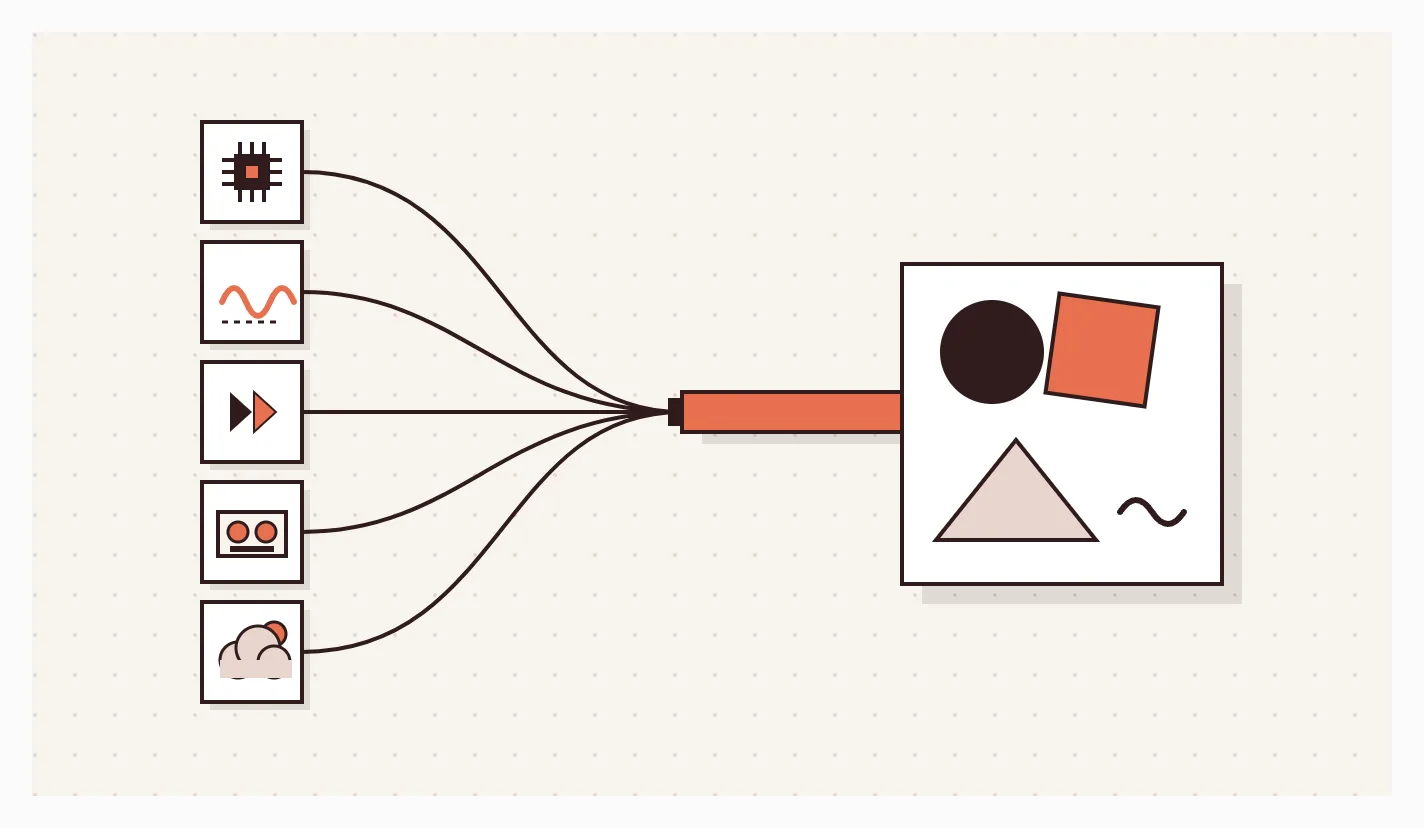
Graphic design trends are driven by technology, culture and the speed of online life. Tools, taste and mood decide which styles rise and which ones fade.
5 drivers of graphic design trends are given below.
- New technology and AI tools: Generative AI, AR and gaming tools make new looks quick to produce and easy to test.
- Backlash against polished AI visuals: Audiences now spot smooth, AI-made images fast. That reaction to AI perfection pushes brands toward imperfect, human-made work.
- Fast social media cycles: Feeds reward novelty, so a look can peak and fade within months. Brands refresh campaign visuals more often to keep up.
- Generational nostalgia: Gen Z decision makers revive the 80s, 90s and early 2000s. Each generation's nostalgia cycle brings back the styles of its childhood.
- Cultural and economic climate: Unstable global politics and digital fatigue make people crave comfort, warmth or escape.
Those forces explain why 2026 looks so mixed.
What Are the Top Graphic Design Trends in 2026?
The top graphic design trends in 2026 are AI-assisted hybrid workflows, anti-perfection, tactile craft, neo-minimalism and maximalist collage.
The current graphic design trends pull in opposite directions: minimal and maximal, nostalgic and futuristic. Still, they share one push toward human-made work.
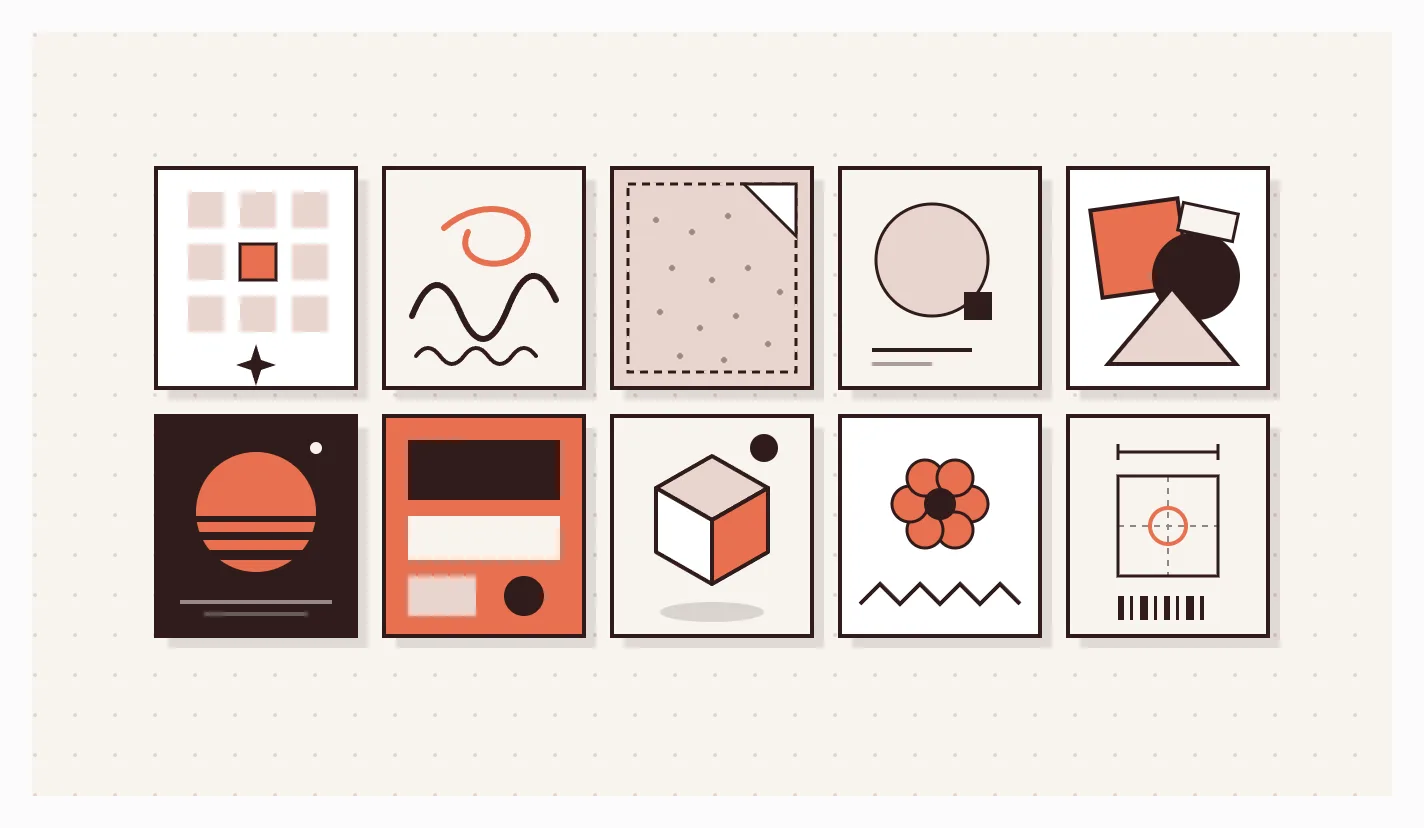
The 10 top graphic design trends in 2026 are given below.
- AI-assisted hybrid workflows: Designers use generative AI to explore layouts, mockups and variations in minutes. Then they refine type, spacing and hierarchy by hand, so the work stays distinct. The approach suits branding, social templates, web mockups and campaign toolkits.
- Anti-perfection and hand-drawn design: Wobbly lines, doodles and naive illustration signal that a person made the work. The style reacts directly to AI-smooth perfection and over-polished branding. Use it for food packaging, creative startups, wellness brands and social content.
- Tactile craft and texture: Paper textures, film grain, stitching and clay surfaces make flat screens feel physical. Designers scan real materials or build convincing digital versions. Tactile textures work well on packaging, editorial layouts, portfolio sites and premium social posts.
- Neo-minimalism: Clean layouts stay, but warmth replaces cold grids and greige. Natural texture backgrounds, refined serifs and deep, calm colors give the look an emotional edge. Neo-minimalism suits hospitality, wellness, premium e-commerce and editorial sites chasing quiet luxury.
- Maximalist collage and chaos layouts: Layered cutouts, clashing type and dense stickers create controlled chaos layouts. Envato Elements data shows searches for modern bold fonts up 65.7% over the previous 60 days. The style shines on snack and beauty packaging, limited drops and youth-focused social feeds.
- Retro futurism and Frutiger Aero revival: Space Age optimism meets glossy Y2K bubbles, chrome and sky-blue gradients. Envato Elements reports daily searches for 80s themes up 83.7% against the prior 60 days. The mix of nostalgia and futurism suits tech launches and glossy app icons.
- Saturation revival: Brighter, bolder color returns after years of whisper-soft neutrals. Designers pair jewel tones with a dash of neon or build around one striking hue. Saturated color palettes work hardest in social campaigns, festival branding and fashion.
- Surreal and hyper-individual imagery: Twisted geometry, optical illusions and dreamlike scenes turn visuals into surreal visual jokes. Each piece feels personal rather than corporate. The style helps brands stand out from AI-made stock faces on social media, posters and campaign visuals.
- Folk and heritage motifs: Folk art motifs, regional patterns and hand-cut shapes bring local cultural flavor into modern layouts. Elemental Folk styles feel rooted and warm. They work well for food, craft beverages, hospitality and brands with an origin story.
- Utilitarian micro-industrial graphics: Tiny labels, technical grids, serial numbers and blueprint lines give designs an engineered, useful feel. The look over-explains on purpose, like a product spec sheet. Micro-industrial details suit tech hardware, streetwear and SaaS dashboards.
AI is reshaping more than style, though.
How Is AI Changing the Graphic Design Industry?
AI is changing the graphic design industry by automating production work and shifting designers toward strategy. The BLS projects a 2% drop in graphic designer jobs from 2025 to 2035. It names automated design tools such as AI as a key reason.
Still, the BLS expects about 16,000 openings each year.
A Clutch survey found 88% of businesses use AI design tools in some capacity. Figma's State of the Designer 2026 report found 72% of designers now use generative AI.
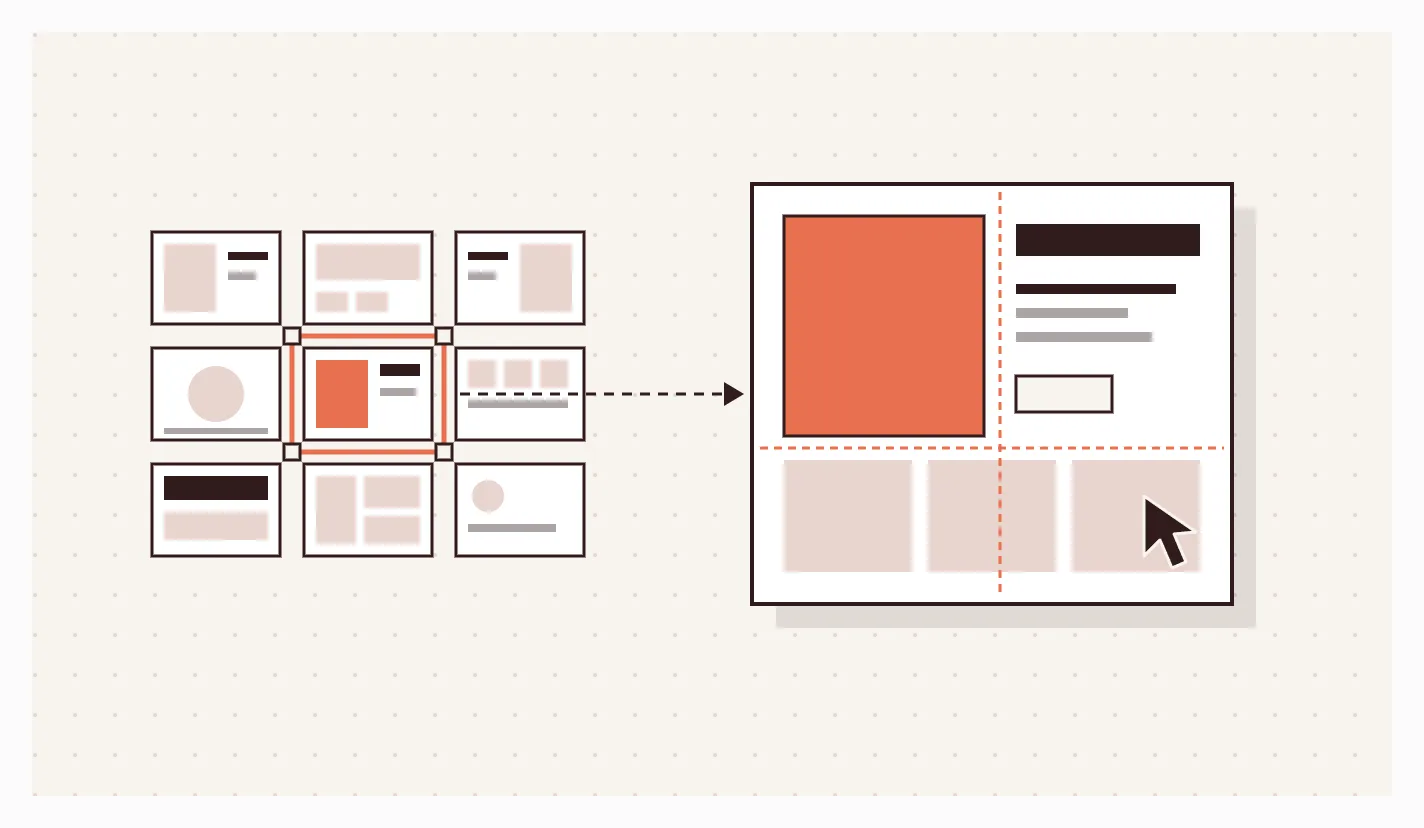
5 ways AI is changing the graphic design industry are given below.
- Production tasks are automated: Background removal, resizing and ad variations now take seconds inside everyday tools. Businesses hand this repetitive work to AI first, which frees designers for bigger decisions.
- Concept exploration is faster: Tools like Midjourney and Canva Magic Studio generate dozens of directions in minutes. Designers then spend their time choosing the strongest idea.
- The designer role shifts to art direction and strategy: Designers act more like creative directors who brief, edit and approve AI output. Panze pairs AI speed with senior human review on every project.
- Design budgets are holding up: Clutch found 47% of businesses raised design budgets in the past year, while only 12% cut them. And 53% expect to invest more next year.
- Human-made aesthetics gain value: As AI visuals flood feeds, handmade texture and clear authorship stand out more. Brands now value work that shows human judgment.
Some tasks have moved to AI faster than others.
What Design Tasks Is AI Automating in 2026?
AI mostly automates production-level tasks like image editing, social graphics and ad variations.
The design tasks businesses hand to AI most often are shown in the table below.
| Design task | Share of businesses using AI for it |
|---|---|
| Image editing and background removal | 45% |
| Social media graphics | 36% |
| Ad creative variations | 35% |
| Concept ideation | 33% |
| Presentation graphics | 26% |
Source: Clutch, The State of the Graphic Design Industry in 2026
Brand strategy and core identity work remain human-led, since businesses rarely hand those decisions to AI. That split between AI output and human taste shows up clearly in color.
What Are the Graphic Design Color Trends for 2026?
The graphic design color trends for 2026 are soft whites, saturated contrast and deep, grounded neutrals.
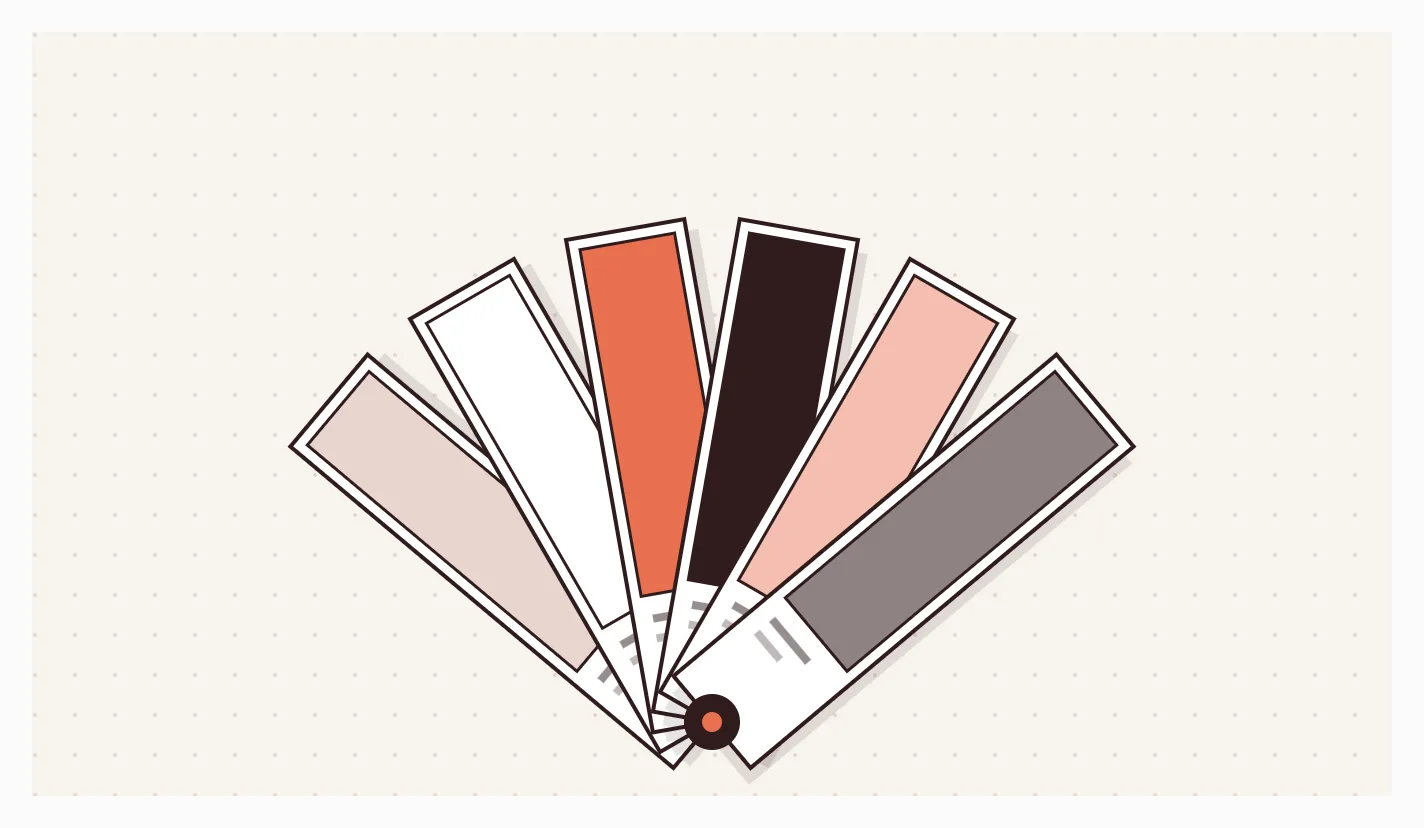
The main graphic design color trends for 2026 are outlined below.
- Cloud Dancer soft white: Pantone's Color of the Year 2026 is PANTONE 11-4201 Cloud Dancer, its first white pick.
- High-contrast saturated duos: Milk-chocolate brown with sky blue or grass green with baby pink creates instant.
- Single hero hue branding: Some brands own one bold color across every channel for instant recognition.
- Neon-noir red and black: Deep blacks with glowing red accents feel cinematic and moody. It suits nightlife and gaming brands.
- Hazy romantic pastels: Soft pinks, lilacs and blurred gradients bring a dreamy Hyper-Bloom feel. They work for beauty, wellness and fashion.
- Grounded deep neutrals: Deep chocolate, sage and slate replace beige as the calm option. They feel premium without looking bland.
Check contrast ratios on bold palettes so text stays accessible. Color sets the mood, and type carries the voice.
What Are the Typography Trends for 2026?
The typography trends for 2026 are bigger, softer and more expressive than the tidy sans-serifs of recent years. Type now works as artwork, not just text.
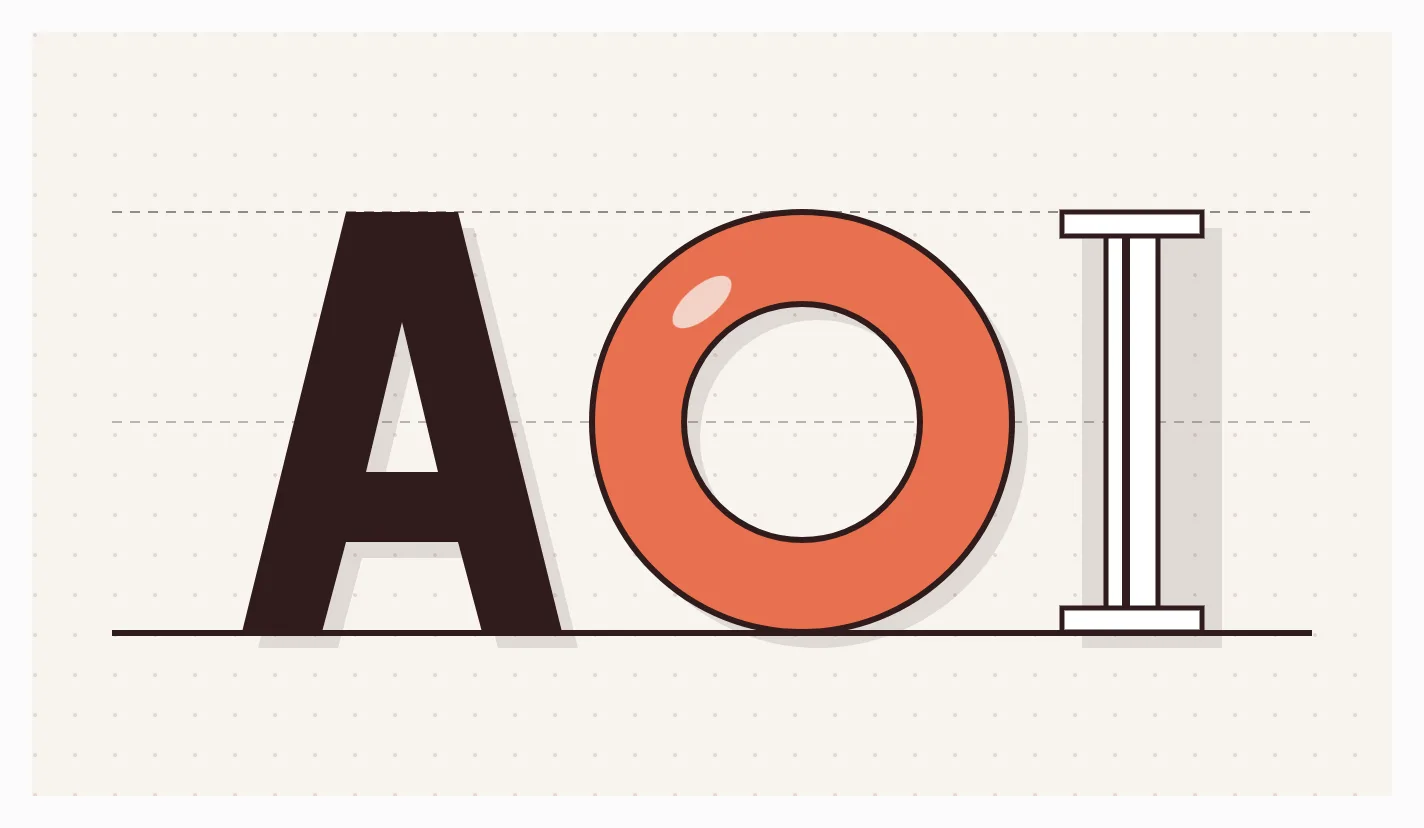
6 typography trends for 2026 are given below.
- Oversized display type: Huge headlines and oversized sans-serifs carry the whole layout with little extra decoration.
- Bubbly, puffy and wavy letterforms: Inflated, soft letters add playful 3D warmth to packaging and social posts.
- Type collage: Mixed fonts, cut-out letters and clashing sizes create a zine-like, handmade energy.
- High-contrast serifs and heritage revivals: Refined serifs pair with a neutral grotesk for editorial, luxury and premium brands.
- Gothic future-medieval letterforms: Blackletter shapes meet sharp, cybernetic edges for music, streetwear and gaming identities.
- Handwritten scripts and kinetic type: Loopy cursives add a personal touch, while moving type grabs attention on screens.
Some font trends are rising fast, but others are losing their grip.
Which Graphic Design Trends Are Fading in 2026?
The graphic design trends fading in 2026 are the ones that now look generic, overused or machine-made.
5 graphic design trends fading in 2026 are given below.
- Overly polished, AI-smooth visuals: Flawless gradients and plastic-looking renders now read as automated. Audiences have learned to scroll past them.
- Generic flat icons and Corporate Memphis illustration: Blobby, faceless characters and one-size-fits-all icons feel dated. They no longer signal a fresh brand.
- Stock-heavy photography: Obvious stock photos make brands look interchangeable. Candid, custom images feel more honest.
- Beige, greige minimalism: Endless neutral palettes and empty grids now feel cold. Warm neo-minimalism with texture is taking their place.
- Default serif and sans pairings that read as AI-made: Safe font combos that every generator picks look anonymous. One custom font adds instant character.
Leading brands are dropping these styles, but they aren't disappearing. Corporate Memphis, for example, still thrives in stock libraries and HR materials.
So how do you adopt what's rising?
How to Apply Graphic Design Trends to Your Brand?
To apply graphic design trends to your brand, start with your identity and test before you commit.
6 steps to apply graphic design trends to your brand are given below.
- Audit your current brand identity: List what must stay, such as your logo, core colors and tone. Panze's work for ALPE helped the energy platform improve its brand recognition and professional image.
- Shortlist trends that fit your audience and category: A fintech app and a snack brand need different trends. Pick two or three that match your target audience's taste.
- Test one element first: Try one bold custom font, a new accent color or a textured background. Measure the reaction before touching the full system.
- Generate options with AI, then art-direct by hand: Let AI tools produce quick variations. Then run a human art-direction pass to fix spacing, hierarchy and brand voice.
- Keep accessibility and compliance elements clean: Barcodes, nutrition panels and legal text must stay readable. Run contrast testing on every bold palette.
- Roll out by channel and measure results: Define calm and bold modes, then map them in a content matrix. Ads can go loud while product UI stays calm.
Once a trend is live, the next job is keeping it fresh.
How to Keep Trend-Led Designs From Looking Dated?
To keep trend-led designs from looking dated, separate what's permanent from what's seasonal. Your core brand DNA should outlast any single style.
Tips to keep trend-led designs from looking dated are outlined below.
- Separate the core identity from the trend layer: Keep your logo, spacing and tone fixed. Apply trends only to campaigns, social posts and seasonal packaging.
- Build a flexible, adaptive logo system: An adaptive logo flexes across app icons, avatars and billboards. Panze designs visual identity systems and brand guidelines with that range in mind.
- Plan a support palette before launch: A single hero hue needs backup colors for photos and illustration. Set them early.
- Review campaign visuals on a set schedule: Check them each quarter and retire any look that hits trend saturation.
- Track trend signals from reports and live-site archives: Follow Pinterest Predicts, trend reports and live archives to act before a style peaks.
AI will also shape which trends last.
What Is the Future of Graphic Design With AI?
The future of graphic design with AI is a hybrid workflow. AI generates options, and humans make the judgment calls. Brand strategy, taste and intent stay human-led.
In other words, AI becomes a co-creator, not the creative director. The questions below cover what that shift means for designers and brands.
Will AI Replace Graphic Designers?
No, AI will not replace graphic designers because judgment, taste and brand context resist automation. Clutch found only 18% of businesses say AI reduced their need for designers.
Meanwhile, 32% say AI replaced only simple design tasks. Another 25% say it actually increased their design output needs.
Using AI also raises a labeling question.
Do AI-Generated Designs Need to Be Labeled?
Yes, AI-generated designs often need to be labeled because regulators and platforms now expect transparency. Adobe Firefly automatically attaches Content Credentials to qualifying AI output. These credentials follow the C2PA standard for provenance metadata.
The EU AI Act's Article 50 transparency rules apply from 2 August 2026. Rules vary by market, so check with a legal expert.
Such shifts also change the skills designers need.
What Skills Do Graphic Designers Need in 2026?
Clutch found businesses value creativity most when hiring designers, at 39%, ahead of strategic thinking.
The skills graphic designers need in 2026 are given below.
- Creativity: Original ideas that stand out from generic AI visuals.
- Strategic thinking; Linking each design choice to business goals.
- AI tool fluency and prompting: Briefing AI clearly and knowing when to override it.
- Art direction: Guiding AI output toward one consistent visual vision.
- Communication and brand alignment: Explaining decisions and keeping every asset on-brand.
- Time management: Meeting tight deadlines across fast social cycles.
Skills outlast trends, so how long do trends last?
How Long Do Graphic Design Trends Last?
Graphic design trends can last a few months or much longer, depending on what drives them. Fast social media cycles can burn out a surface style quickly. Nostalgia cycles tied to generations tend to return and stick around.
The biggest factor is depth. A surface treatment, like a filter or gradient, fades fast. A structural shift, such as AI-assisted workflows, reshapes how design works for years.
Minimalism is a good test case.
Is Minimalism Still in Style in 2026?
Yes, minimalism is still in style in 2026 because people still want clarity in noisy feeds. It's evolving into neo-minimalism, with natural textures, serif fonts and warmer colors.
Envato Elements data shows minimal design searches rising 7.6% on average each day. Quiet luxury and emotional minimalism keep the style fresh.
Some trends will also carry into 2027.
Which Graphic Design Trends Will Carry Into 2027?
Graphic design trends likely to carry into 2027 are given below.
- Anti-AI handmade craft. Hand-drawn marks, stitching and physical textures will keep signaling human effort.
- Future medieval and cybernetic styles. Medieval-modern symbols and chrome details will grow in music and gaming.
- Kinetic typography. Moving type will keep spreading across websites, apps and short-form video.
- Design delivered as systems. Brands want full systems, like the one Panze built across Vezmo's portal, app and website.
- Tactile, soft-touch textures. Gummy, puffy finishes will keep inviting touch, even on flat screens.
WGSN and Coloro named Luminous Blue their Colour of the Year for 2027.
So are trends worth chasing at all?
Are Graphic Design Trends Worth Following?
Yes, graphic design trends are worth following because they keep your brand culturally relevant. But treat them as inspiration, not the goal.
A trend should sit on top of a distinctive brand identity, never replace it. If a style clashes with your audience or category, skip it.
The pros and cons make that trade-off clearer.
What Are the Pros and Cons of Following Graphic Design Trends?
Following graphic design trends boosts relevance and results, but it risks a short trend life and generic work.
The pros and cons of following graphic design trends are given in the table below.
| Pros | Cons |
|---|---|
| 31% of businesses say design most affects ad performance | Trends fade fast, while an identity should last for years |
| Shows cultural fluency that builds trust | AI trend layouts drift generic without art direction |
| Rising searches for bold and retro styles show real demand | Chaos packaging that hides barcodes gets rejected by retailers |
| Cheap to test with one element, like a custom font | Rich interactive builds can lag on mid-range phones |
| Gives rebrands and launches a fresh direction | Constant trend-chasing weakens brand recognition |
The right tools make tracking trends easier.
What Are the Best Tools and Resources for Tracking Graphic Design Trends?
The best tools for tracking graphic design trends combine AI design tools with trend reports and inspiration archives. Use AI to test ideas, and use curated sources to build mood boards.
What Are the Best AI Tools for Graphic Designers in 2026?
The best AI tools for graphic designers in 2026 are given below.
- Adobe Firefly- Text to image and Generative Fill, built into Photoshop and other Adobe apps.
- Canva Magic Studio- Prompt-based design, a background remover and Magic Switch for resizing designs into new formats.
- Midjourney- High-quality text to image generation for mood boards, concept art and campaign visuals.
- Figma Make- Turns prompts into working UI designs and interactive prototypes inside Figma.
- Kittl- Browser-based design with fonts, templates, mockups and AI image features.
- Envato AI tools- ImageGen, GraphicsGen and MockupGen, plus an AI image editor for image upscaling and expansion.
Tools help you make things, but you also need places to look.
Where Can You Find Graphic Design Inspiration?
The best places to find graphic design inspiration are given below.
- Panze's portfolio- Live apps, SaaS platforms, websites and brand identities from real client projects.
- Behance- Full case studies from studios and brands.
- Dribbble. Quick shots of UI, icons and branding, including Panze's own work.
- Pinterest Predicts- A yearly forecast of not-yet-trending styles from search data.
- Adobe Creative Trends Forecast- Adobe's yearly look at emerging creative themes.
- Savee- An ad-free feed for saving mood boards and references.
Graphic trends also overlap with related fields.
How Do Graphic Design Trends Compare With Related Design Fields?
Graphic design trends overlap with web design, design styles and AI-generated work, but each works differently. The comparisons below show where they split.
What Is the Difference Between Graphic Design Trends and Web Design Trends?
Graphic design trends focus on visuals across print, packaging, branding and social media. Web design trends also depend on interaction, motion and page performance.
A bento grid or scroll storytelling layout has to load fast and work on every screen. That's why website UI/UX design needs visual taste and UX thinking together.
What Is the Difference Between a Design Trend and a Design Style?
A design trend is a time-bound wave of popularity, while a design style is a lasting visual register. Swiss design and Art Deco are styles. The Frutiger Aero comeback is a trend.
Put simply, a style works as a filter for brand fit. A trend is a surface treatment you borrow for a while.
What Is the Difference Between AI-Generated and Human-Made Design?
AI-generated design wins on speed and volume, while human-made design wins on brand context and creative judgment. Clutch found 30% of businesses rate AI designs lower in quality overall.
Another 23% call them comparable for simple assets, and 23% say AI can be better in some cases. Human fingerprints still matter most for brand-defining work.
Final Thoughts
The smartest way to use graphic design trends in 2026 is simple. Use AI for speed, and keep human art direction in charge.
Adopt only the trends that fit your brand and audience. Everything else is noise.
If you want trend-aware design that still feels like your brand, explore Panze's design services. Our senior designers build apps, SaaS products, websites and brands with AI speed and a human touch.
A few common questions still need quick answers.
Frequently Asked Questions
What is the biggest graphic design trend in 2026?
The biggest graphic design trend in 2026 is AI-native design paired with a human touch. Designers use AI for speed, then add handmade texture, bold type and art direction. That mix shows up in most other trends.
What is the Pantone Color of the Year 2026?
The Pantone Color of the Year 2026 is PANTONE 11-4201 Cloud Dancer, an airy white. Pantone announced it on December 4, 2025. It works as a calm base for brighter colors.
Are graphic designers still in demand in 2026?
Yes, graphic designers are still in demand in 2026. Clutch reports that 90% of businesses use graphic designers in some capacity. Demand is shifting toward strategic, brand-defining work.
What is the median pay for graphic designers?
The median annual wage for graphic designers was $62,960 in May 2025, according to the BLS. The lowest 10% earned under $39,520, while the top 10% earned over $104,910.