

Hiring Panze vs Hiring Development Agency
A development agency builds what it is given. If nobody gives it a design, it builds one anyway — in code, by committee, one screen at a time — and that is the version you pay to rebuild a year later. This page is about where that line sits, when a development agency on its own is the right call, and what changes when design and build come from the same place.
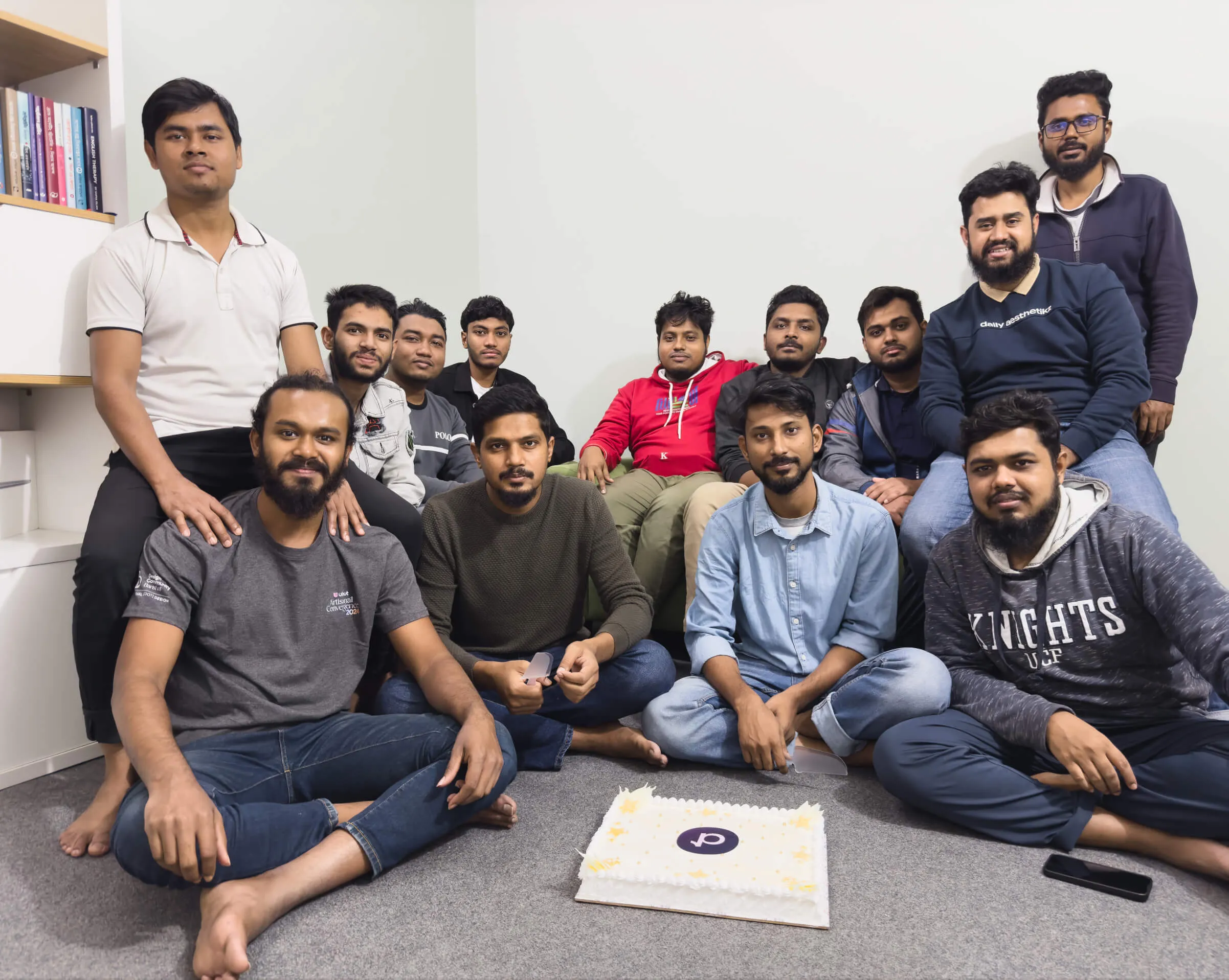

At a glance
Build Only, or Design and Build
Where the line between the two actually sits. The left column is not a criticism of development agencies — it is what happens to any build when nobody has drawn the thing first.
Development agency
- Quoted from a brief, which means quoted on guesses
- The interface invented in code, screen by screen
- Two contracts, two schedules, a gap in the middle
- No design system behind the twentieth screen
- Rework once somebody looks at the product properly
Panze
- Quoted from finished screens, which are countable
- Empty states, errors and edge cases settled before the build
- One agreement, one schedule
- A design system where the project earned one
- Design and build in the same place

What you get
One design partner. Multiple capabilities.
A development agency builds what it is given. These are the disciplines that decide what it gets given — and all four sit on the same side of the table as the build.


How we work
We partner with founders and product teams who need the screens decided before the build starts.
Three steps that run before a line of code is written. What comes out of them is decided screens and a design system, which is what a build team can price and build against.

Discover
Strategy
Design & Build
We prioritize before designing, studying goals, users, and the competitive landscape to ensure our solutions address the correct problem
- -Stakeholder and User Research
- -Competitive Audit
- -Product Discovery
- -Insights and Brief Alignment
We establish UX first, mapping all flows, and logic to ensure every decision is backed by clear rationale.
- -UX Strategy
- -Information Architecture
- -User Flow Mapping
- -Feature Prioritisation
We transform wireframes into developer-ready UI, providing comprehensive design systems, Figma files, and component libraries for confident engineering handoffs.
- -Wireframing and Prototyping
- -UI Design and Visual Systems
- -Design Systems and Component Libraries
- -Developer Handoff and Build Support
How we work
We partner with founders and product teams who need the screens decided before the build starts.
Three steps that run before a line of code is written. What comes out of them is decided screens and a design system, which is what a build team can price and build against.
Discover
We prioritize before designing, studying goals, users, and the competitive landscape to ensure our solutions address the correct problem
- -Stakeholder and User Research
- -Competitive Audit
- -Product Discovery
- -Insights and Brief Alignment
Strategy
We establish UX first, mapping all flows, and logic to ensure every decision is backed by clear rationale.
- -UX Strategy
- -Information Architecture
- -User Flow Mapping
- -Feature Prioritisation
Design & Build
We transform wireframes into developer-ready UI, providing comprehensive design systems, Figma files, and component libraries for confident engineering handoffs.
- -Wireframing and Prototyping
- -UI Design and Visual Systems
- -Design Systems and Component Libraries
- -Developer Handoff and Build Support


Frequently Asked Questions
Design or Development First
The questions founders ask when they are not sure which kind of agency they are shopping for.

Contact
Got an idea? Let's make it real.
No pitch decks. No jargon. Just a conversation about what you're building, and how we can help.

Mahmudul Hasan Manik
Founder & CEO

