White label Arabic design service lets your agency sell Arabic logos, bilingual brand identities and right-to-left (RTL) websites and apps under your own brand, while a specialist design partner produces the work behind the scenes. You keep the client, the brief and the invoice.
The partner handles Arabic typography, RTL layout and native speaker review, then hands every file over as yours. With Arabic used daily by more than 400 million people, according to UNESCO, demand from GCC markets and other Arabic-speaking audiences is too large for most agencies to turn away.
This guide explains how the model works between your agency, the design partner and the end client, and which Arabic design services you can white label. It covers what makes Arabic design different from English design, from mirroring rules to Arabic typography, and how AI tools are changing the work and where they still fall short.
You will also find realistic costs, the benefits and trade-offs for agencies, a step-by-step method for choosing a partner, and a quality checklist to run before any client delivery. Short sections on legal questions, file ownership, Saudi Arabic-language rules and common comparisons answer the questions clients tend to raise next.
What Is White Label Arabic Design?
White label Arabic design is Arabic and bilingual design work produced by a third-party design partner and delivered by your agency under your own name. Your agency keeps the client relationship, the brief, quality control and invoicing. The partner handles production in the background and never contacts the client.
Typical deliverables include Arabic logos, bilingual brand identities, RTL website and app UI/UX, packaging and marketing creatives, so agencies with no in-house Arabic team can still serve Arabic-speaking markets.
How Does White Label Arabic Design Work?
White label Arabic design works by splitting the job into two roles: your agency owns the client side, and the partner owns production. The process moves from scope and pricing to legal protection, brand inputs, design with native review, and a clean handover under your brand.
6 steps of how white label Arabic design works are given below.
- Brief and scope. Your agency gathers the client's goals, target markets, languages and deliverables, then shares a written brief that lists screens, assets and the status of Arabic copy.
- Quote at partner rates. As a white label design agency, Panze quotes a fixed scope and timeline to you at partner rates, and your agency sets its own markup for the client.
- NDA and partnership agreement. Both sides sign a client NDA and a partnership agreement that covers IP assignment, confidentiality and portfolio exclusion, so the work never appears publicly.
- Brand profile and Arabic copy inputs. You share a brand profile per client, including guidelines, logos, fonts and tone notes, plus approved Arabic copy or a named owner for translation sign-off.
- Design and native speaker review. Designers build the Arabic and RTL screens or assets, and a native Arabic speaker checks letterforms, wording, direction and cultural fit before anything reaches you.
- Handover under the agency's brand. The partner delivers editable Figma source files and developer specs with no partner branding. Panze works in your tools and file naming, and full ownership passes to you.
What Arabic Design Services Can Agencies White Label?
The Arabic design services agencies can white label are the same core services clients already buy in English, rebuilt for Arabic script and right-to-left reading. They range from brand identity and calligraphy to RTL websites, mobile apps, SaaS products, packaging and social media creatives.
8 Arabic design services agencies can white label are given below.
- Arabic logo and bilingual brand identity. A logo and identity system where the Arabic and Latin versions share weight, rhythm and personality across every touchpoint.
- Arabic calligraphy and custom lettering. Custom Arabic letterforms for logos, headlines and campaigns that need a distinctive look rooted in the region's script traditions.
- RTL website UI/UX design. Marketing sites and landing pages planned with RTL UI/UX design from the first wireframe, with mirrored layouts and bilingual navigation.
- RTL mobile app design. iOS and Android apps with mirrored navigation, gestures and Arabic type styles that follow each platform's right-to-left conventions.
- RTL SaaS dashboards and design systems. Dashboards, admin panels and a bidirectional component library that works in Arabic and English without separate rebuilds.
- Converting an existing product to RTL. Screen-by-screen RTL conversion of a live English website or app, with mirroring decisions, Arabic copy fitting and developer notes.
- Arabic packaging and label design. Bilingual packaging labels that fit required Arabic text, product data and brand elements without crowding the main panel.
- Arabic social media and ad creatives. Social media creatives and ad sets laid out for Arabic copy, sized for each platform and mirrored correctly.
What Makes Arabic Design Different From English Design?
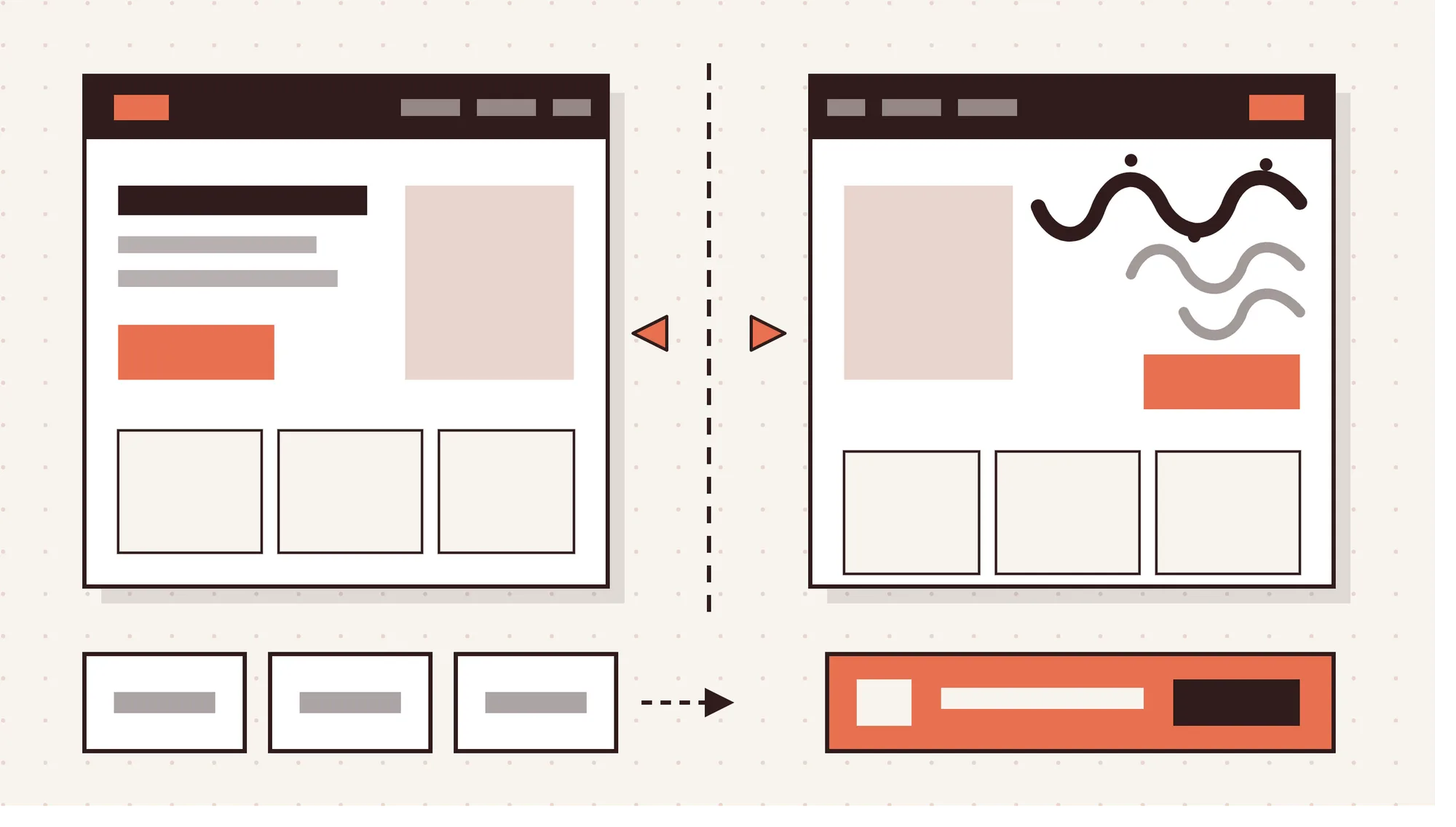
Arabic design differs from English design because the script, the reading direction and the cultural context change how every layout, typeface and component behaves. Flipping an English layout is not enough, because RTL design is not a visual flip. Each component needs its own mirroring decision, and Arabic text needs spacing and rules that Latin text does not.
The key differences between Arabic and English design are outlined below.
- Right-to-left reading direction. Arabic reads from right to left, so layouts, navigation, text alignment and visual hierarchy all start on the right side of the screen or page.
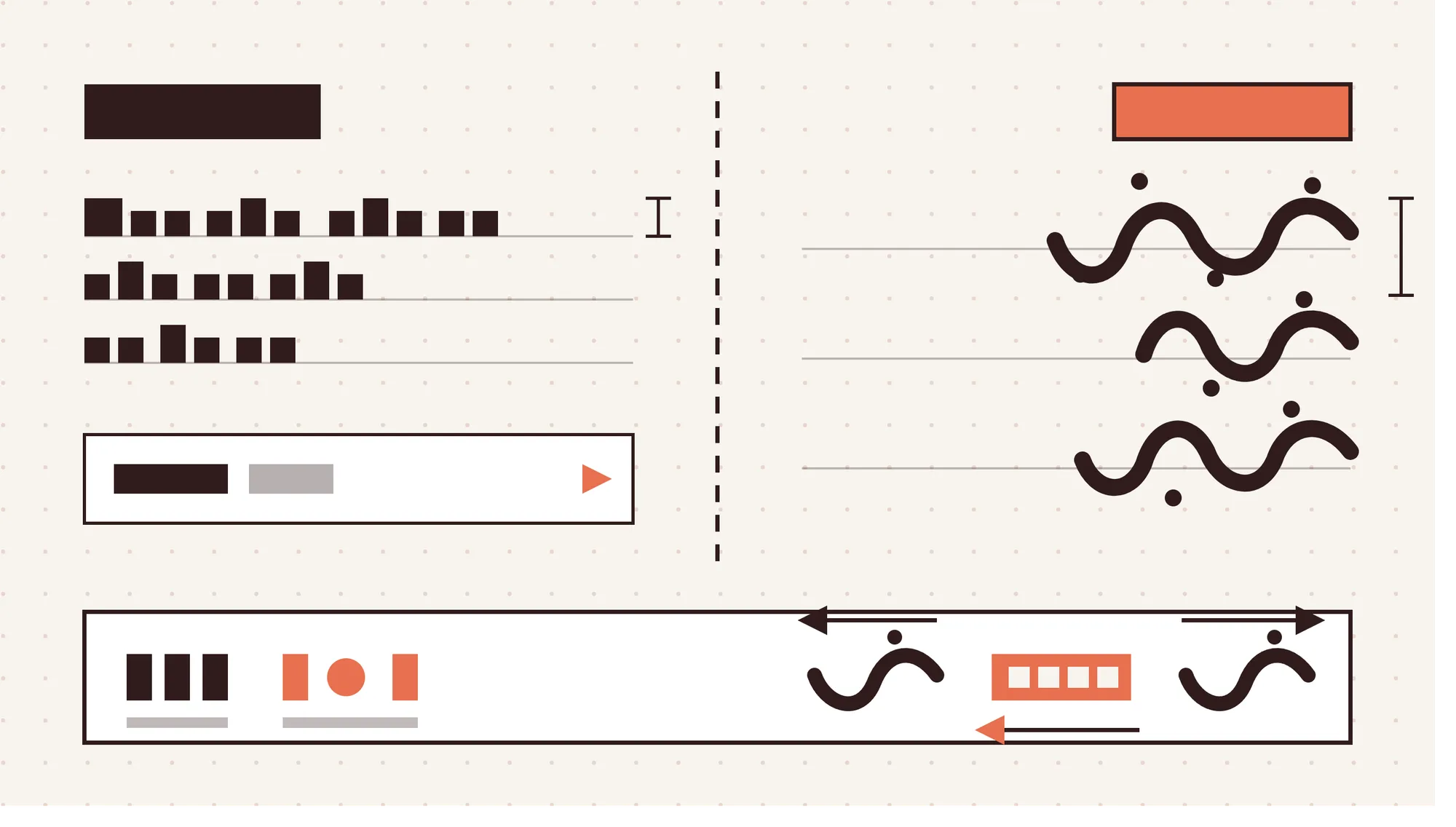
- Connected script with no uppercase. Arabic letters join and change shape by position, there are no capital letters, and diacritics (harakat) need extra line height to avoid clipping.
- Bidirectional text. Arabic sentences often contain Latin brand names, URLs, emails and numbers that run left to right, so bidirectional (bidi) text must be designed and tested on purpose.
- Western or Eastern Arabic numerals. Some markets use Western digits (0 to 9) and others prefer Eastern Arabic numerals, so the numeral style is a per-market decision.
- Different text length and more vertical space. Arabic copy can run shorter or longer than English and needs taller lines, so fixed-width buttons and tight headings often break.
- Cultural meaning of colors and imagery. Colors, gestures, clothing and symbols carry different meanings for Arabic-speaking audiences, so palettes and imagery need cultural review, not only translation.
What Should Be Mirrored in RTL Design?
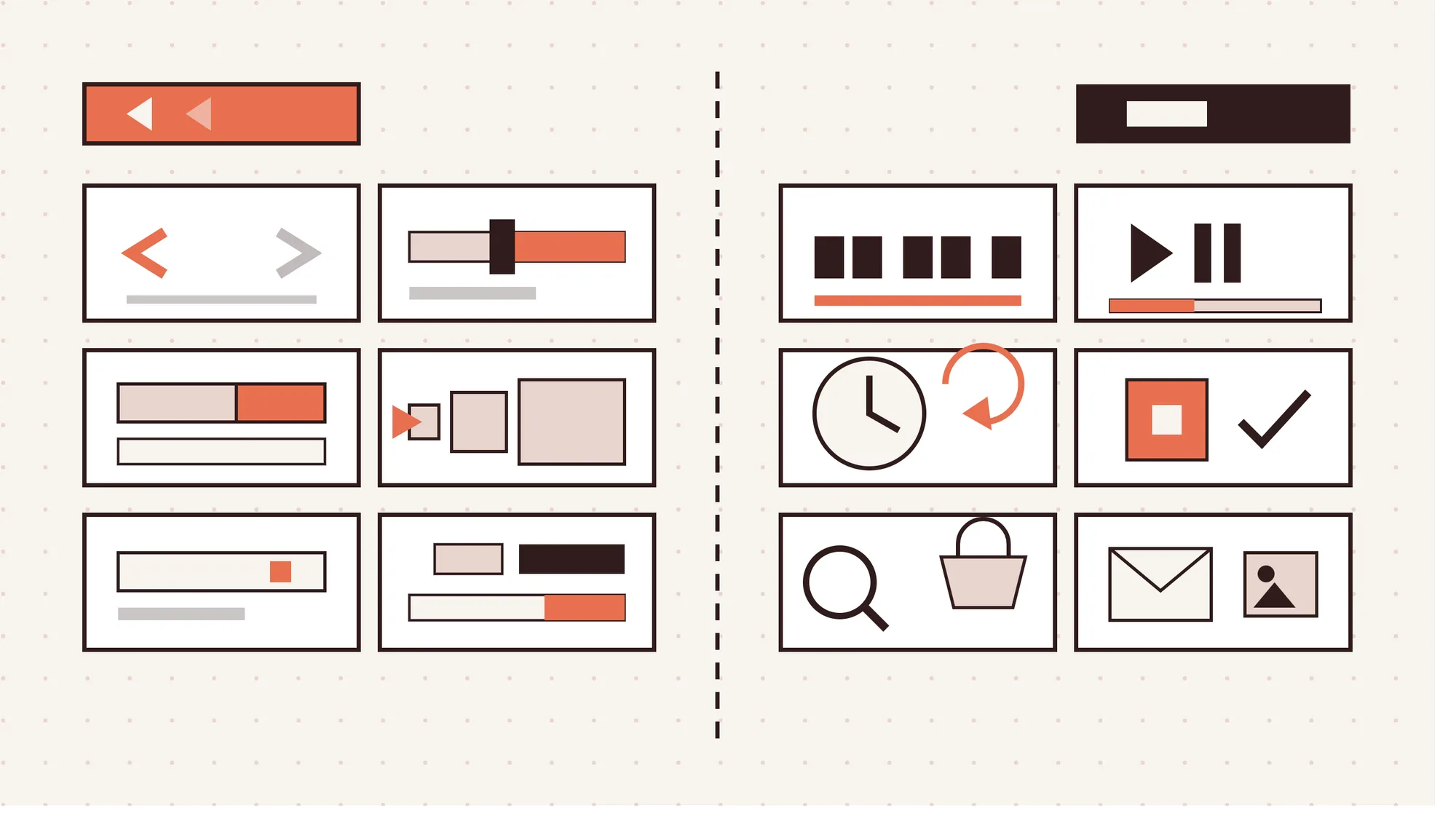
In RTL design, mirror the elements that show reading order or movement, and keep the elements that show numbers, real objects and brand marks unchanged. Document these mirroring rules next to the screens, so developers apply them the same way on every build.
The elements to mirror and keep in RTL design are shown in the table below.
| Element | Mirror or Keep | Reason |
|---|---|---|
| Page layout, navigation, tabs and lists | Mirror | They follow reading order, so they start from the right. |
| Back and forward arrows, next and previous buttons | Mirror | They point in the direction the user reads. |
| Progress bars, sliders and rating controls | Mirror | Progress moves from right to left. |
| Swipe gestures and carousels | Mirror | Carousels start from the right and advance to the left. |
| Breadcrumbs and dropdowns | Mirror | Breadcrumbs read right to left, and dropdowns open to the left. |
| Text-field icons and badges | Mirror | Icons swap sides, and badges move to the top left. |
| Numbers, phone numbers and card numbers | Keep | Digit order always stays left to right. |
| URLs, emails and brand names | Keep | Untranslated Latin text stays left to right. |
| Media playback buttons and media progress bars | Keep | They show real-world playback, not reading order. |
| Clocks, circular refresh and circular progress | Keep | Clockwise motion does not depend on reading direction. |
| Logos, checkmarks and universal marks | Keep | Brand marks and symbols are fixed. |
| Real-object icons (search, cart, trash, envelope) and photos | Keep | They show real objects. Redraw them only if they show direction or a step-by-step flow. |
Which Arabic Fonts Work Best for Brands and Interfaces?
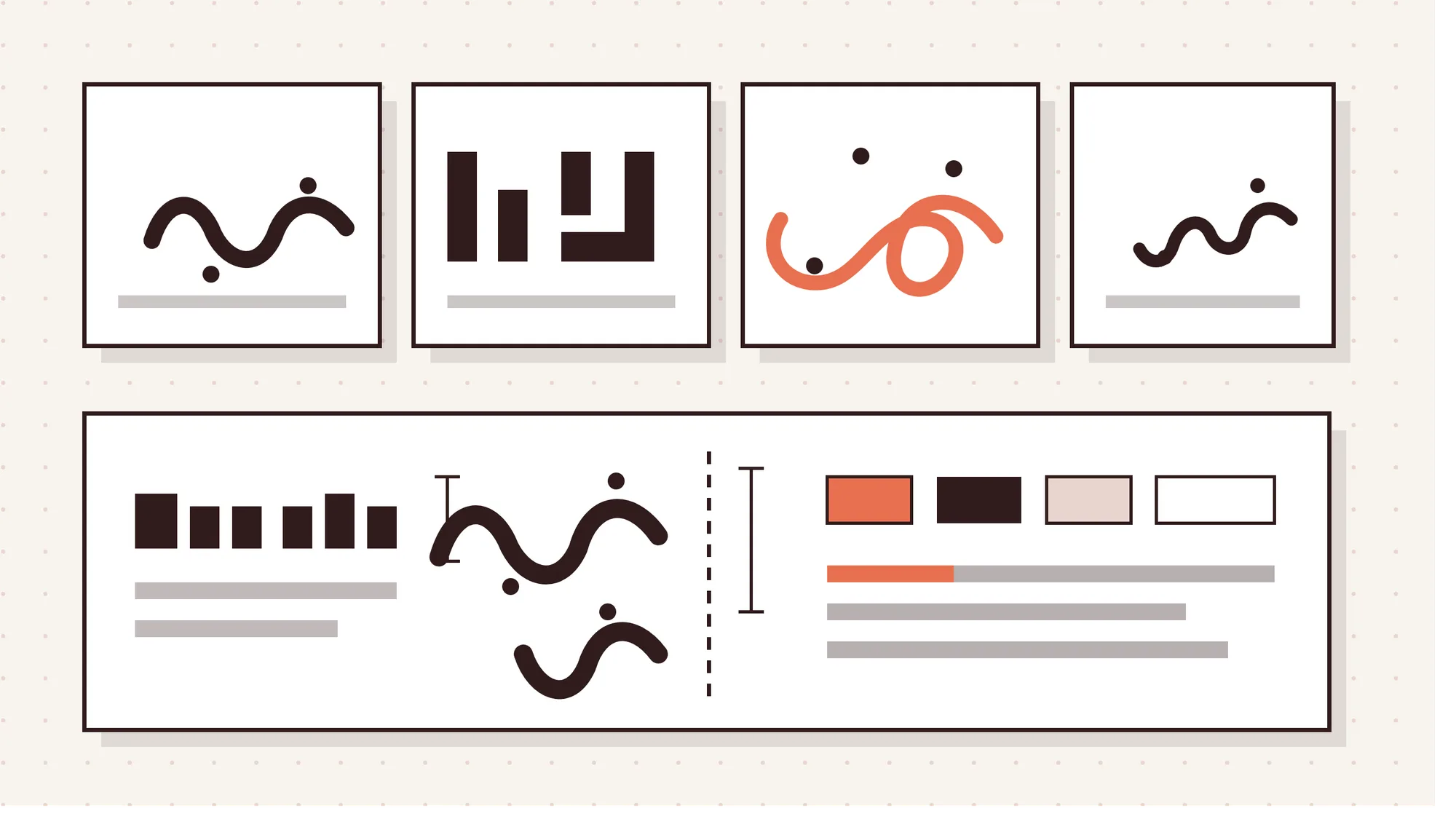
The best Arabic fonts for brands and interfaces are chosen by the job they do. Classic script styles set the tone for logos and editorial work, screen-friendly typefaces keep UI text readable, and bilingual families make Arabic and Latin text look like one brand.
The Arabic font styles and typefaces that work best for brands and interfaces are given below.
- Naskh for body text and readable interfaces. Naskh is the most readable Arabic style, with clear letterforms that suit long text, menus and app screens.
- Kufi for geometric, modern logos and headlines. Kufi's angular, geometric shapes suit tech brands, bold headlines and logos that need a clean, contemporary Arabic look.
- Thuluth and Diwani for decorative calligraphy logos. These flowing, ornate styles suit luxury, hospitality and heritage brands, but they become hard to read at small sizes.
- Ruq'ah for an informal, handwritten tone. Ruq'ah's short, quick strokes give food, retail and lifestyle brands a friendly, everyday voice in headlines and packaging.
- Cairo, Tajawal and Noto Sans Arabic for web and app UI. These Arabic-specific typefaces are built for screens, come in several weights and pair well with Latin sans serifs.
- Amiri for formal and editorial text. Amiri is a classic Naskh-style typeface that fits formal documents, publishing and editorial layouts where a traditional feel matters.
- Bilingual families and foundries. Frutiger Arabic and Adelle Sans Arabic match their Latin versions, and foundries such as 29LT and TPTQ Arabic design typefaces for Arabic-Latin pairing. Bilingual type pairing follows three rules. Match the personality and visual weight of the Latin font, set Arabic about 2 points larger with extra line height, and never apply uppercase to Arabic.
Before delivery, confirm that each font license covers work delivered to the end client.
How Is AI Changing Arabic Design for Agencies?
AI is changing Arabic design for agencies by speeding up RTL layout conversion, Arabic text rendering in images, calligraphy concepts and copy drafts. Each tool still needs a native Arabic check before delivery.
6 ways AI is changing Arabic design for agencies are given below.
- RTL layout conversion in design tools. Figma's agent can translate copy on the canvas and restructure frames for RTL languages such as Arabic while keeping the design system intact. It is in open beta on paid plans.
- Arabic text in AI images. Image models are getting better at Arabic lettering. Ideogram led a 2026 comparison of Arabic text accuracy, and in May 2026 Luma opened its Uni-1.1 API with native Arabic rendering.
- AI Arabic calligraphy generators for concepts. Tools such as ArabicDesign.ai and Andalusi generate calligraphy from text, place diacritics and respect letter connections, which helps designers explore logo concepts faster.
- Arabic-first language models for copy drafts. Jais, developed in the UAE, and ALLaM, from the Saudi Data and AI Authority, are built Arabic-first and handle formal Arabic well, which makes them useful for first drafts.
- Ad creative resizing and auto-mirroring tools. AI ad tools can resize creatives across formats and support Arabic text, but many still treat mirroring as a manual rebuild, so every RTL variant needs checking.
- Agency adoption in MENA. In February 2026, Publicis Groupe Middle East named Luma its preferred generative AI partner across MENA, a sign that AI is moving into everyday agency production. AI output still needs a native Arabic designer. People catch broken letter joins, clipped or misplaced diacritics, the wrong dialect and a tone that reads as translated. Mixed English-Arabic AI text can also break direction detection, so a sentence may display in the wrong order. That is why Panze's Complete AI Solution has senior reviewers check every piece of AI output.
How Much Does White Label Arabic Design Cost?
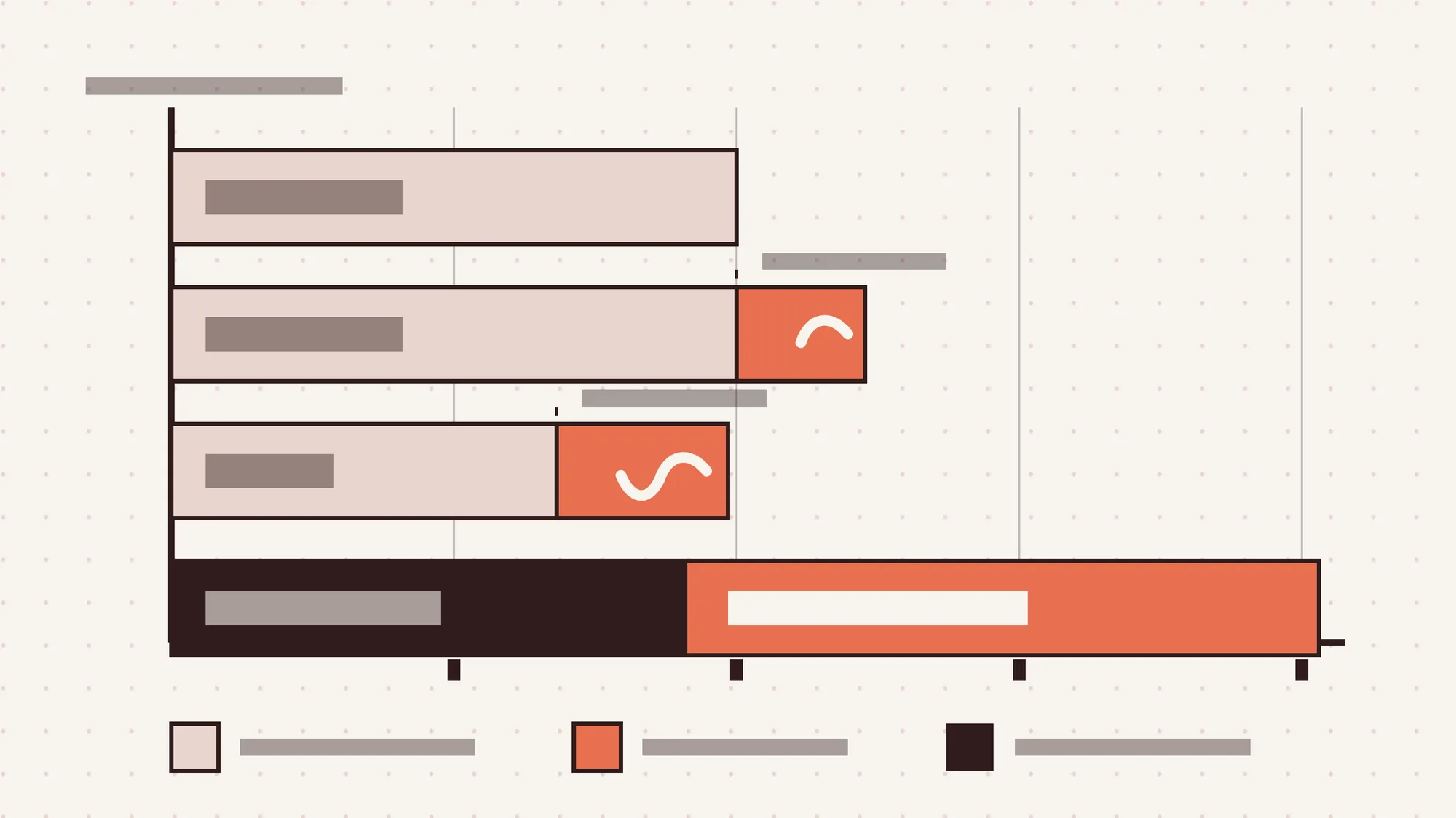
White label Arabic design cost depends on scope, but most agency projects start in the low thousands of dollars. Panze's white label projects start at $1,000, which is the minimum engagement, and each project is quoted at partner rates. You can compare Panze's pricing models, which include per-project work, a monthly retainer and an embedded designer.
Arabic adds work compared with English-only projects. RTL adaptation typically adds about 15% to 25% to design and front-end costs. Specialist RTL studios list new design in both directions from about $2,000, and RTL work on an existing product from about $2,500. A bilingual Arabic and English logo also needs roughly 30% to 50% more time than a single-language logo.
The main cost factors are the scope, the number of screens, custom calligraphy, translation and native speaker proofreading, the number of RTL languages, and whether existing code must be converted. On the resale side, agencies commonly mark up white label creative work by 130% to 150% of full cost, including internal time.
What Are the Benefits of White Label Arabic Design for Agencies?
The benefits of white label Arabic design for agencies are new market access, specialist skills and faster delivery without the cost and risk of building an Arabic team.
The benefits of white label Arabic design for agencies are given below.
- Enter Arabic-speaking markets without hiring. You can accept Arabic and bilingual projects from GCC and MENA clients without a fixed hire, recruitment time or payroll risk.
- Keep the client and the brand. Strategy, briefs, sign-off and invoicing stay with your agency, and every deliverable goes out under your own brand.
- Access native RTL and Arabic typography expertise. Native Arabic designers bring RTL layout, typography and cultural knowledge that would take years to build in-house.
- Scale capacity up or down with predictable costs. Fixed, project-based partner pricing lets you add capacity in busy months and price Arabic work into retainers with confidence.
- Deliver faster. A dedicated partner team shortens production time. Most Panze white label projects finish in 7 to 15 days, which helps you meet client launch dates.
- Protect margins with partner rates. Partner rates leave room for your markup, so Arabic projects add healthy margins instead of eating into them.
- Own every source file. Editable source files, assets and documentation pass to your agency at handover, so you can reuse and extend them on future work.
How to Choose a White Label Arabic Design Partner?
To choose a white label Arabic design partner, test their Arabic skills directly instead of relying on a general portfolio. Look at real RTL work, native review, typography knowledge, contracts and handover, then confirm the partner can match your volume and communication style.
7 steps to choose a white label Arabic design partner are given below.
- Review RTL and Arabic portfolio work. Ask for live Arabic websites, apps and bilingual identities, then check mirroring, typography and bidi text instead of judging English work alone.
- Confirm native Arabic speakers review the screens. Ask who reviews Arabic copy and layouts, and make sure a native speaker signs off before files reach your team.
- Check typography skills and font licensing knowledge. Ask how the partner pairs Arabic and Latin type and how it confirms that font licenses allow delivery to your end client.
- Run a paid pilot on a real brief. Give the partner a small, real project with written pass criteria, such as correct mirroring, clean letter joins and on-time delivery.
- Get the NDA, IP assignment and portfolio exclusion in writing. The agreement should protect client confidentiality, transfer ownership at handover and stop the partner from showing the work publicly.
- Check tools, file handover and developer specs. Panze works in Figma and delivers logical-property CSS documentation for RTL builds, meaning layout rules use start and end instead of fixed left and right.
- Agree on capacity, turnaround, revisions and communication channels. Confirm monthly capacity, revision rounds and response times. Panze communicates through Slack, WhatsApp, Discord or Telegram, whichever your team prefers.
How to Quality Check Arabic Design Before Client Delivery?
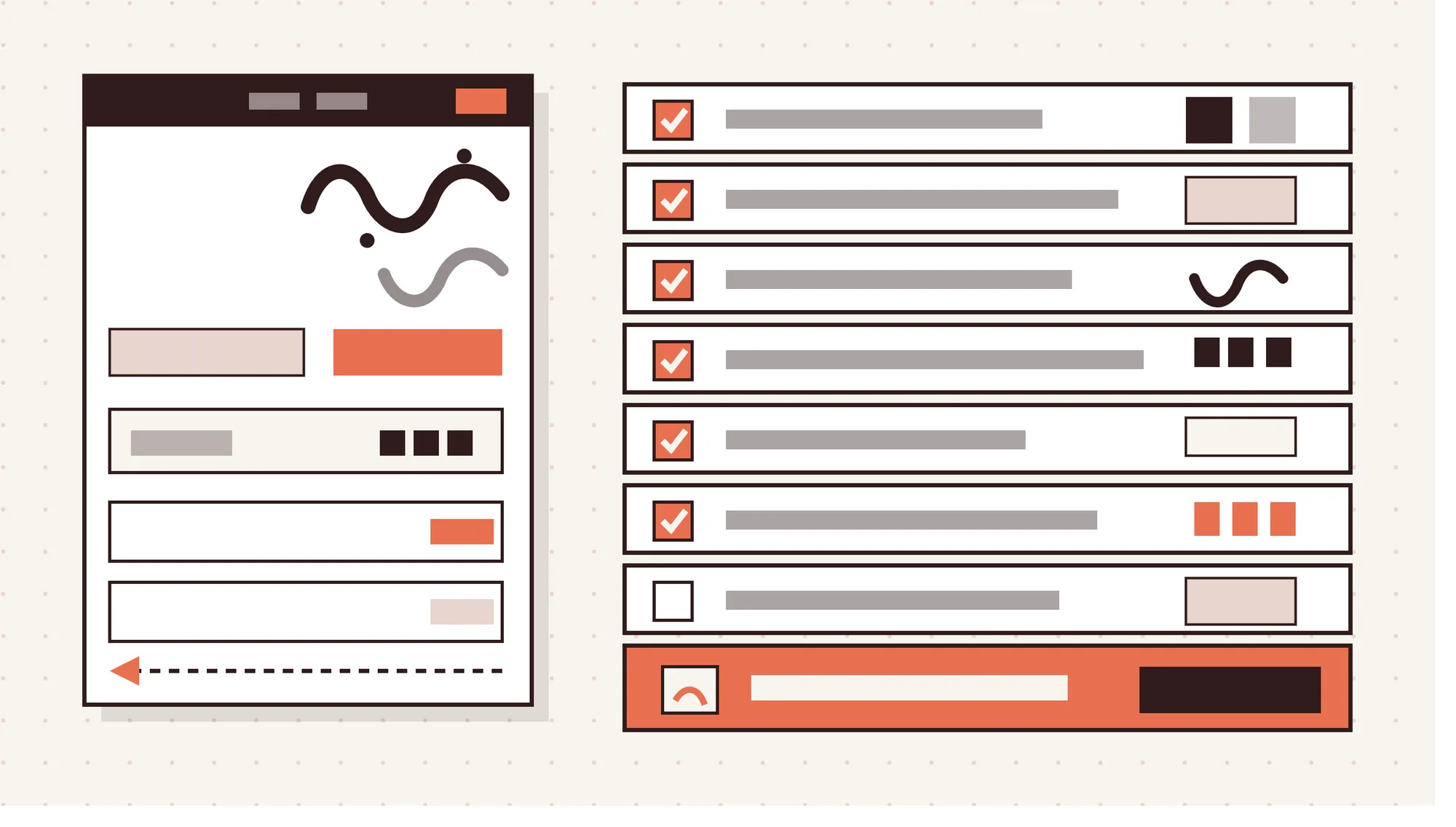
To quality check Arabic design before client delivery, test direction, script, mixed-direction text, copy and handover files in a fixed order. A design can be technically correct and still read badly, so combine technical checks with a native Arabic review.
The quality checks for Arabic design before client delivery are given below.
- Direction is set in markup, with
dir="rtl"andlang="ar"on the html element, not in CSS, as the W3C recommends. - Mirroring follows the documented rules for every component, including arrows, progress bars, carousels, icons and media controls.
- Arabic letters connect correctly in every font weight, and diacritics are not clipped by tight line height or containers.
- Mixed-direction strings, such as +966 phone numbers, prices, emails and brand names, display in the right order.
- Screens use real Arabic copy, not placeholder text or mirrored English, so line lengths and wrapping are realistic.
- Numerals match the target market and stay consistent across every screen, in either Western or Eastern Arabic digits.
- Forms, validation messages and keyboard focus order work correctly in Arabic, moving from right to left.
- A native speaker reviews tone, dialect and any calligraphy before the client sees the work.
- Partner names, comments and file metadata are removed from all files before handover.
Is White Label Arabic Design Legal?
Yes, white label Arabic design is legal because white labeling is a common subcontracting practice. It works as long as your agency holds the rights to resell the work and your client contract allows subcontracting. This is general information, not legal advice, so ask a lawyer to review any unusual IP terms.
Who Owns the Files in White Label Arabic Design?
Your agency owns the files after handover, through a written IP assignment in the partnership agreement. Expect native source files in Figma or Adobe formats, plus PNG, SVG and PDF exports with no partner branding. At Panze, your agency owns all source files, assets and documentation at handover, with no license fee or renewal. Font and stock asset licenses must also cover delivery to the end client.
Do You Have to Tell Clients You Use a White Label Partner?
No, you do not have to tell clients you use a white label partner unless your client contract requires it. Disclosure depends on the contract terms, so check for clauses that require disclosure of subcontractors or restrict subcontracting. Either way, your agency still answers to the client for the quality of the work.
When Is Arabic Required in Brand and Packaging Design?
Arabic is often a legal requirement in Gulf markets, and Saudi Arabia sets the clearest rules. Article 2 of Saudi Arabia's Law on Commercial Data requires commercial data to appear at least in Arabic on products, packaging, shops, invoices, letterheads and advertising. Saudi Arabia has also adopted a National Arabic Language Policy that expects businesses to give due consideration to Arabic.
For agencies, this means Arabic belongs in logo and branding design from the first concept. Rules differ by country and product category, so check each market. This is general information, not legal advice.
Is Arabic Required on Product Packaging in Saudi Arabia?
Yes, Arabic is required on product packaging in Saudi Arabia because prepackaged food labels must be in Arabic or include an Arabic translation, as the US Trade.gov country guide notes. Instruction manuals must be in Arabic or in both Arabic and English. Designers should plan bilingual label layouts from the start, so Arabic text has room on every panel.
Is Arabic Required on Store Signs in Saudi Arabia?
Yes, Arabic is required on store signs in Saudi Arabia because trademarks shown on signboards must appear in Arabic. The Latin version of the mark may appear alongside the Arabic one. That is why brands entering Saudi Arabia need a bilingual logo lockup, designed so both scripts look balanced on shop fronts.
What Are the Pros and Cons of White Label Arabic Design?
The pros and cons of white label Arabic design are given in the table below.
| Pros | Cons |
|---|---|
| Adds Arabic design capacity without the cost of a fixed hire. | Your agency answers to the client for any partner errors. |
| Client relationship, brief, sign-off and invoicing stay with your agency. | Needs QA and native review, since correct RTL can still read unnaturally. |
| Native Arabic speakers review screens before anything reaches the client. | RTL work adds about 15% to 25% to design and front-end costs. |
| Fixed project pricing is easy to build into client retainers. | Partners cap monthly capacity, so large or urgent work needs planning. |
| Your agency owns all source files, assets and documentation at handover. | Less direct control, so intake forms, pilots and QA checks matter. |
For most agencies, the pros outweigh the cons once a paid pilot, a written agreement and a clear QA process are in place.
How Does White Label Arabic Design Compare With Other Options?
White label Arabic design is one of several production models for Arabic work. The three comparisons below explain how it differs from Arabic localization and from hiring a freelance Arabic designer, and how translation differs from transcreation.
What Is the Difference Between White Label Arabic Design and Arabic Localization?
Arabic localization adapts an existing product or content for Arabic users, usually through translation, RTL engineering and review by native linguists. White label Arabic design is new design work produced by a partner and delivered under your agency's brand. The two overlap, because a white label project can include localization, such as converting an English app to RTL while designing new Arabic screens.
What Is the Difference Between a White Label Partner and a Freelance Arabic Designer?
A freelance Arabic designer suits occasional or specialist jobs, such as a single calligraphy logo. A white label partner offers steady capacity, a defined process, QA and confidential delivery under your agency's brand, with no client contact. One freelancer is also a single point of failure on a deadline. This overview of what a white label design agency is covers the model in more depth.
What Is the Difference Between Translation and Transcreation in Arabic Design?
Translation converts text closely from one language to another. It is the cheapest and fastest option, but it often reads stiff in Arabic, especially in marketing copy. Transcreation adapts meaning, tone and emotional intent, so headlines, taglines and calls to action read as if they were written in Arabic first. Use translation for technical content and transcreation for brand-facing copy.
Frequently Asked Questions
Below are short answers to common questions about white label Arabic design.
Can AI Replace a Native Arabic Designer?
No, AI cannot replace a native Arabic designer because it misses the details that decide whether Arabic reads naturally. AI speeds up drafts, translation and RTL layout conversion, but it can miss broken letter joins, misplaced diacritics, the wrong dialect and off-key cultural tone. Some RTL studios already use an AI agent inside Figma, while designers still make the decisions.
How Long Does a White Label Arabic Design Project Take?
Most Panze white label projects finish in 7 to 15 days, while larger platforms take 2 to 3 months. Translation is the most common cause of delay. When nobody owns translation sign-off, schedules can slip by 3 to 5 weeks, so assign an owner for Arabic copy approval before design starts.
Should Numbers Be Mirrored in Arabic Design?
No, numbers should not be mirrored in Arabic design because both Western digits (0 to 9) and Eastern Arabic numerals read left to right, even inside RTL text. Phone numbers, card numbers and prices keep their digit order. What changes is the numeral style, which you should choose per market.
Final Thoughts
White label Arabic design lets your agency sell Arabic logos, bilingual identities and RTL websites and apps under your own brand, without building an Arabic team. The model works best when your partner offers native Arabic review, documented mirroring rules and a clear QA process. If you want a partner for white label RTL and Arabic design, book a free consultation for a 15-minute call with the Panze team about your next project.