The white label vs freelancers vs in-house choice decides how your agency adds design and development capacity. A white label partner delivers finished design and development work under your own brand. Freelancers take on scoped tasks, and an in-house team works for you full time.
Each model moves a brief to delivery in a different way. The key differences show up in control, scalability, speed and confidentiality. Costs differ too, from a fixed payroll cost for staff to a variable cost for outside help.
Below, you'll see each model's real cost, best fit and how AI-assisted delivery is changing all three. An in-house hiring cycle can take months, so timing matters as much as price.
The guide ends with a simple way to choose and a step-by-step setup for a white label partnership. That way, you can scale without hiring and still keep the client relationship.
What Are White Label Partners, Freelancers and In-House Teams?
White label partners, freelancers and in-house teams are three delivery models for agencies and product teams. All three solve the same need: more design or development capacity. Agencies usually reach for one when skill gaps or project overload start slowing growth.
What Is a White Label Agency?
A white label agency is an external team whose work your agency resells under its own brand. A white label design agency, for example, hands over unbranded design files and prototypes. The partner has no direct client contact unless you invite it.
Your agency keeps the client relationship, sets the pricing and handles billing. Confidentiality is backed by contract, so the client only ever sees your team.
What Is a Freelancer?
A freelancer is an independent professional hired per project or on retainer, outside your payroll. Freelancers usually find work through referrals, portfolio sites and freelance platforms. Most juggle several clients at once, so your project shares their calendar.
Self-employment is common in design. U.S. Bureau of Labor Statistics data shows 13% of web and digital interface designers were self-employed in 2025.
What Is an In-House Team?
An in-house team is a group of full-time employees on your payroll who work only for your business. They sit inside your daily workflow, join standups and learn your product or clients over months and years.
That depth is the main draw. In-house designers build deep product knowledge, share your culture and can collaborate with developers every day.
How Do White Label, Freelance and In-House Models Work?
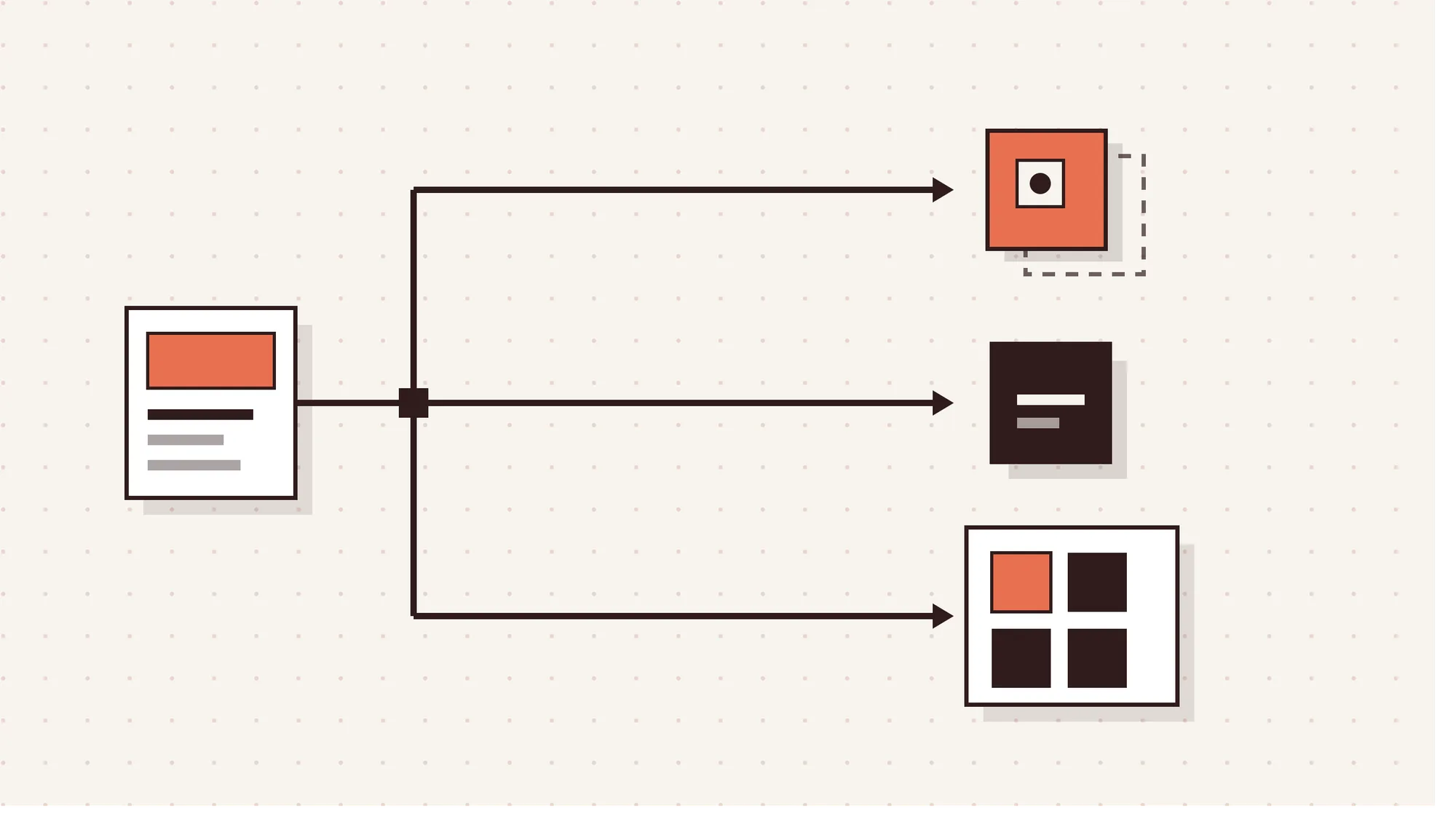
White label, freelance and in-house models work by routing the same client brief through different hands. The difference lies in who manages the work, who checks quality and whose name the client sees.
3 ways work moves from brief to delivery are given below.
- White label workflow. In white label product design, your project manager sends the brief and statement of work to the partner. The partner's project manager runs the team and its quality review. Unbranded files come back ready for developer handoff, so the client only ever sees your agency.
- Freelance workflow. Your project manager briefs the freelancer directly, then manages tasks and deadlines day to day. Your team handles quality review, since most freelancers work without a second reviewer. The client sees your brand, but each new freelancer means re-briefing from scratch.
- In-house workflow. The brief goes through your own intake process to a staff designer or developer. A team lead or creative director manages the work and reviews quality before handoff. Everything ships under your name, and the people who built it can join client calls directly.
What Are the Key Differences Between White Label, Freelancers and In-House?
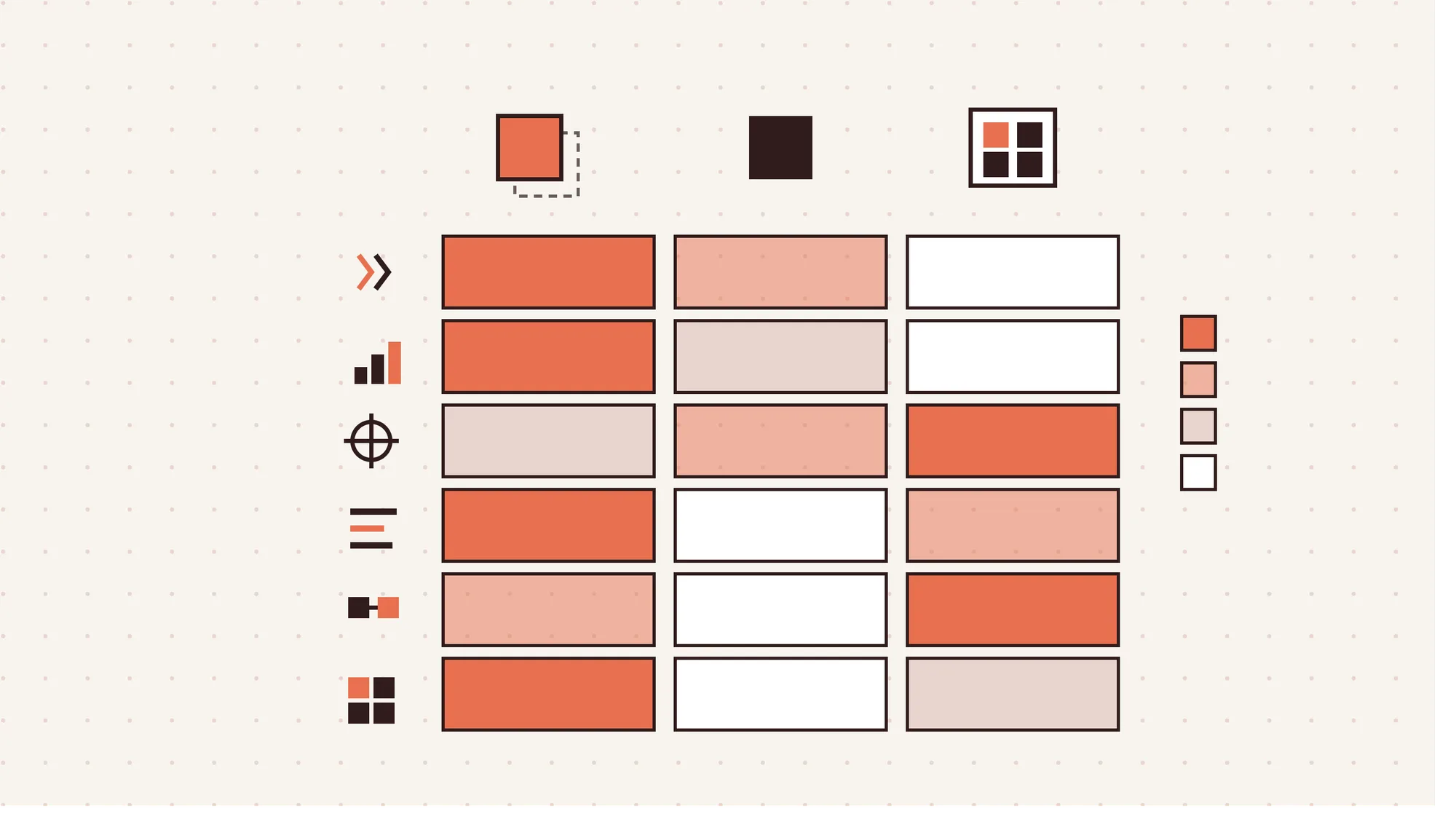
White label partners scale fastest, freelancers start cheapest for small jobs, and in-house teams give the most control. Each model also differs in management overhead, continuity and how well it protects confidentiality.
The key differences between white label partners, freelancers and in-house teams are shown in the table below.
| Factor | White label partner | Freelancer | In-house team |
|---|---|---|---|
| Cost structure | Variable fee that grows with output, not headcount | Hourly or project fees plus re-briefing and ramp-up time | Fixed salary plus recruiting, onboarding, benefits and tools |
| Time to start | About 1 to 2 weeks to onboard | About 1 to 3 weeks to source and vet | About 2 to 3 months to hire |
| Scalability | High, scales with demand | Medium, fast alone but complex at scale | Low, each new hire takes weeks |
| Control | Shared, you set scope and approve output | Direct, but quality depends on one person | Full control over process and priorities |
| Management overhead | Low, the partner's project manager runs the team | High, your team manages each freelancer | Medium, handled by your own leads |
| Continuity | Stable team keeps context across projects | Context resets with each rotation | Strong until someone leaves |
| Confidentiality and IP | Agency NDA with institutional accountability | Individual NDA, harder to enforce | Covered by employment contracts |
| Skill breadth | Research, UI, prototyping and design systems in one team | Usually one specialty | Limited to the skills you hire |
The main trade-off is control versus flexibility. In-house gives the tightest grip, while outside help lets you scale up and down with demand.
How Much Do White Label, Freelancers and In-House Teams Cost?
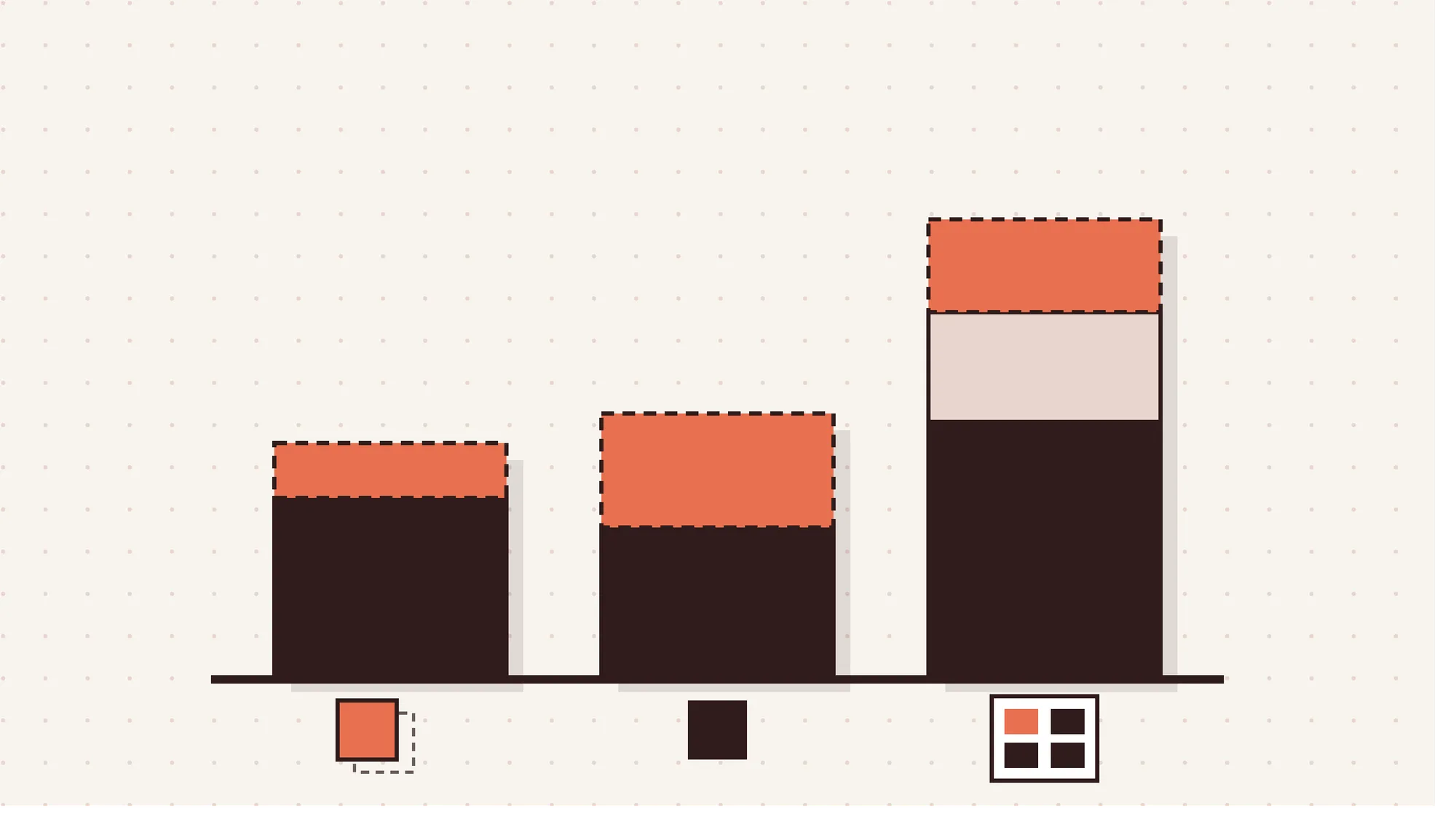
In-house means salary, freelancers bill hourly or per project, and white label uses project or retainer pricing. But the invoice or salary is never the full cost.
In-house carries the biggest fixed cost. The BLS reports a median annual wage of $104,000 for web and digital interface designers in May 2025. The lowest 10% earned under $53,750, and the top 10% earned over $201,550.
Benefits push that number higher. BLS data shows benefits made up 30% of private-industry compensation costs in June 2026. For full-time workers, the share was 31.5%.
Using that share, a median-paid designer costs an estimated $151,800 a year in wages and benefits. That estimate excludes recruiting, tools and office space.
Hiring adds a one-time cost too. SHRM's 2025 benchmarking puts the average cost per hire at $5,475 for nonexecutive roles. And a salaried designer costs the same in a slow month as in a busy one.
Freelancers look cheaper on paper. Upwork lists a typical range of $20 to $40 per hour for UI designers on its platform. Senior and US-based rates run higher.
The hidden freelance cost is your own time. Someone on your team has to manage each freelancer and re-brief every new one.
White label work is priced per project or on a monthly retainer. Panze, for example, uses project-based pricing with fixed-price plans from $500, plus monthly retainers for ongoing work. You pay for output, not idle hours.
The cost of each model is shown in the table below.
| Model | Pricing basis | Typical cost figure | Hidden costs |
|---|---|---|---|
| In-house team | Annual salary plus benefits | $104,000 median wage, about $151,800 with benefits as an estimate | $5,475 average cost per hire, tools, idle time in slow months |
| Freelancer | Hourly or per project | $20 to $40 per hour for UI designers on Upwork | Management time, re-briefing, no backup |
| White label partner | Per project or monthly retainer | Fixed-price plans from $500 at Panze | Your intake and final QA time |
For a fuller breakdown by project type, see Panze's guide to UI/UX design cost.
When Should You Use White Label, Freelancers or In-House?
You should use white label when demand outgrows hiring, freelancers for scoped tasks, and in-house for steady work. Each model fits a different workload pattern. Fluctuating workloads and seasonal spikes favor outside help, while long-term stability favors staff.
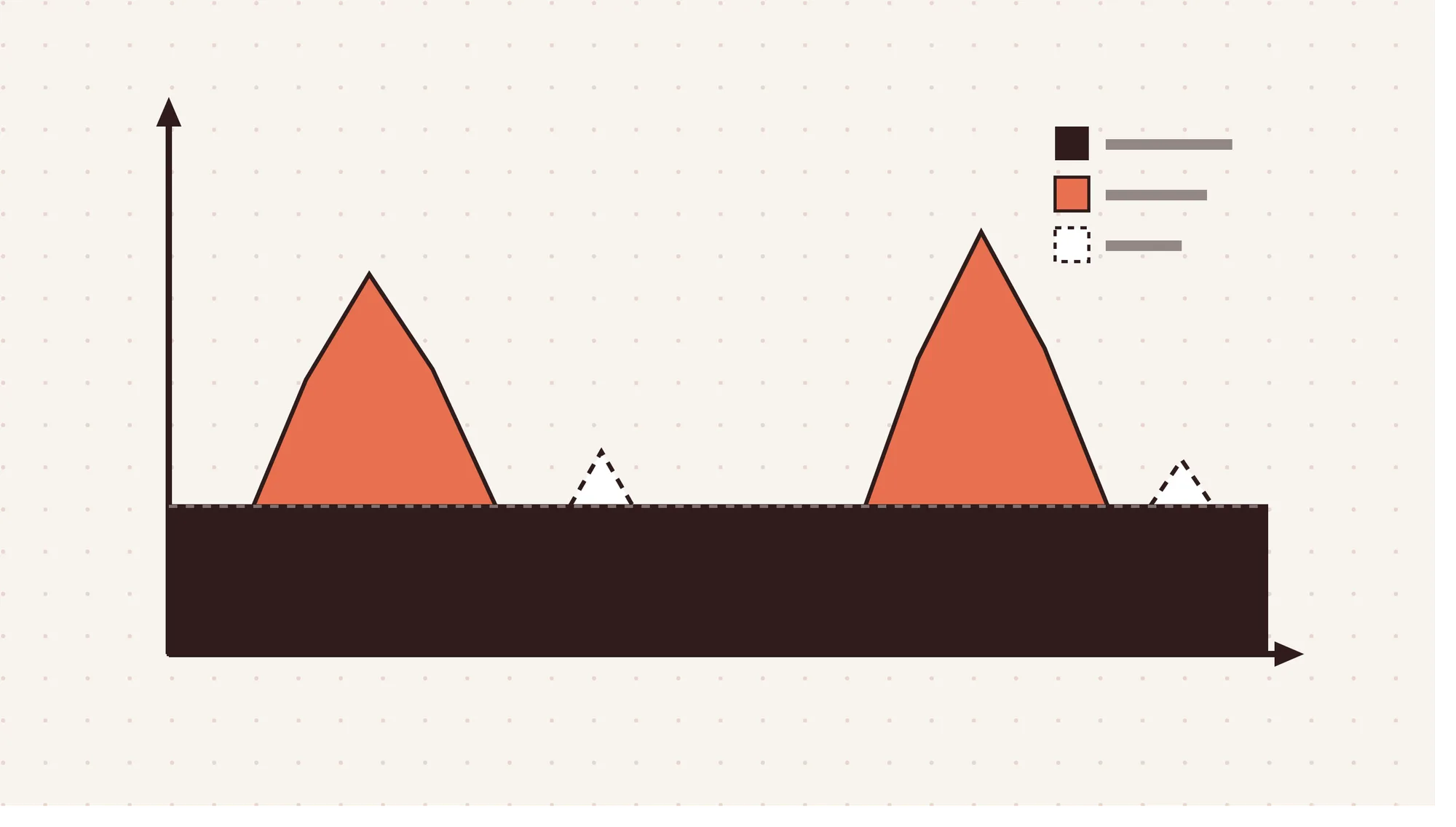
The situations where each model fits best are outlined below.
- White label for growing demand. Choose a white label partner when client demand grows faster than you can hire. The partner absorbs project overload and seasonal spikes, so you can say yes to new work.
- White label for new services. Use white label to offer a new service, such as mobile app or SaaS design, under your brand. You expand your service offerings without building a new department first.
- Freelancers for one-off work. Hire a freelancer for a one-off, well-scoped deliverable, like a pitch deck or a set of icons. Clear scope keeps management light and the budget predictable.
- Freelancers for niche skills. Bring in a freelancer for a niche specialist skill, such as 3D illustration or motion design. Paying a full-time salary for a skill you need twice a year rarely makes sense.
- In-house for steady core work. Build an in-house team when steady, high-volume work keeps designers busy all year. Core business functions, like your own product or brand, benefit from people who stay with them long term.
- In-house for deep context. Keep work in-house when it needs deep product context or daily collaboration with developers. Complex products with fast release cycles reward designers who work alongside engineering every day.
How Is AI Changing White Label, Freelance and In-House Work?
AI is changing white label, freelance and in-house work by speeding production and shifting value to review. Outsourced services, team roles and hiring outlooks are all moving at once.
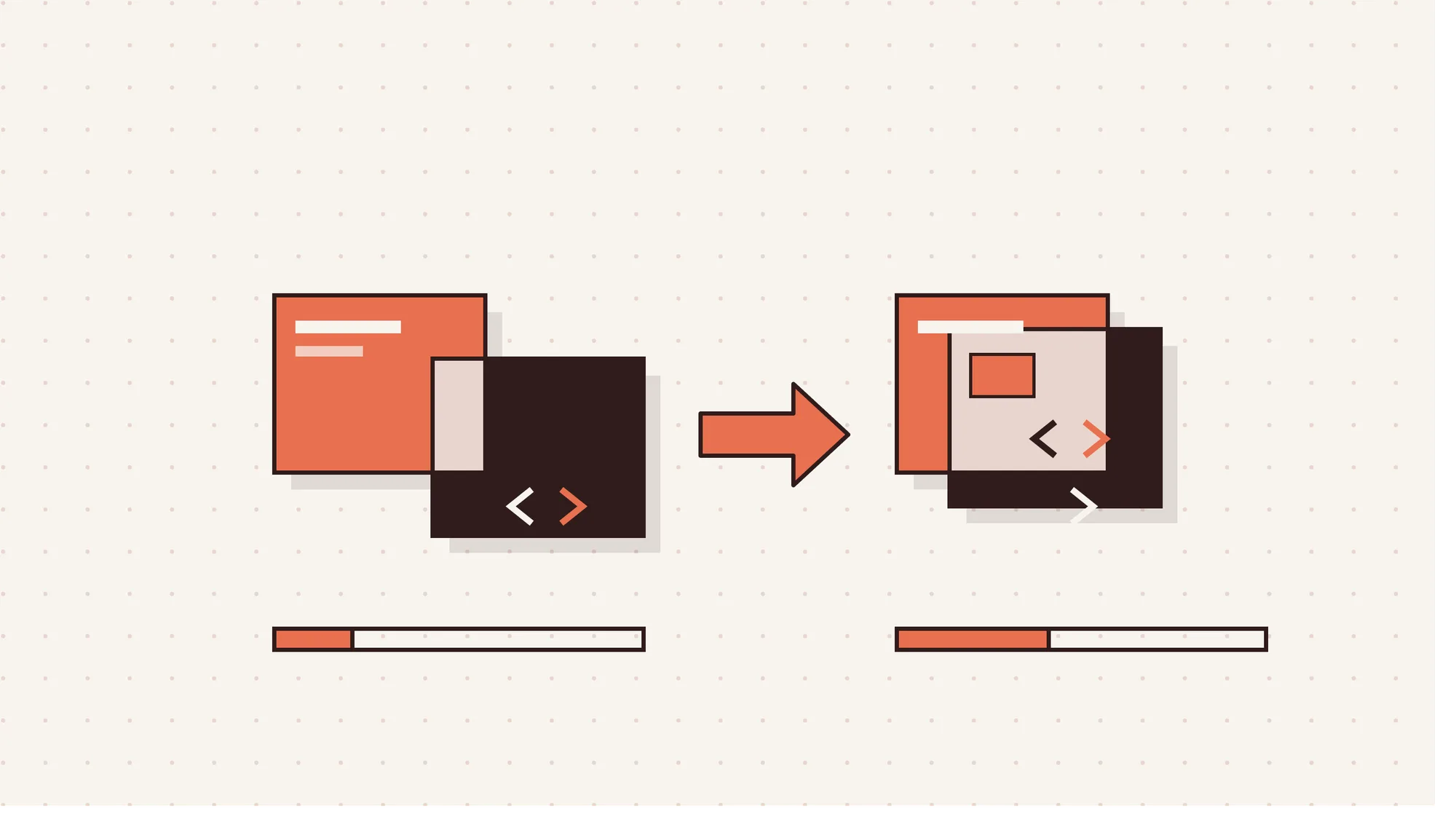
5 ways AI is changing white label, freelance and in-house work are given below.
- Outsourced services now run on AI. Deloitte's 2024 Global Outsourcing Survey of 500+ executives found 83% use AI as part of outsourced services. And 20% are building strategies to manage a digital workforce. For white label buyers, AI use is now a given, so ask how partners govern it.
- Designer and developer roles are blending. Figma's 2026 AI report found designers participating in development doubled from 21% to 41%. Developers doing design work rose from 44% to 60%. Partners and hires who handle design to code now cover more of the build.
- Freelancers report stronger AI skills. Upwork's Future Workforce Index 2025 found 54% of freelancers report advanced AI proficiency, versus 38% of full-time employees. That gap can make freelancers a quick way to test AI-heavy workflows. Proficiency still isn't the same as consistent quality, though.
- AI may soften designer hiring growth. The BLS projects 6% employment growth for web and digital interface designers from 2025 to 2035. It also notes better tools and AI may soften that growth. Other workers may take on basic web development tasks, which could reduce how many designers teams need.
- Human review becomes the main value. AI can draft screens and code fast, but it can't replace user research or product strategy. Quality control and senior oversight of AI output now separate good delivery from fast delivery. Human in the loop is the standard to expect.
So when you compare models, buy judgment and review capacity, not only production hours. Panze's AI design and development service follows that model. AI speeds up design and code, and senior designers and developers review everything.
How to Choose Between White Label, Freelancers and In-House?
To choose between white label, freelancers and in-house, match the model to your workload, budget and confidentiality needs. A short readiness check makes your decision criteria clear before you sign anything.
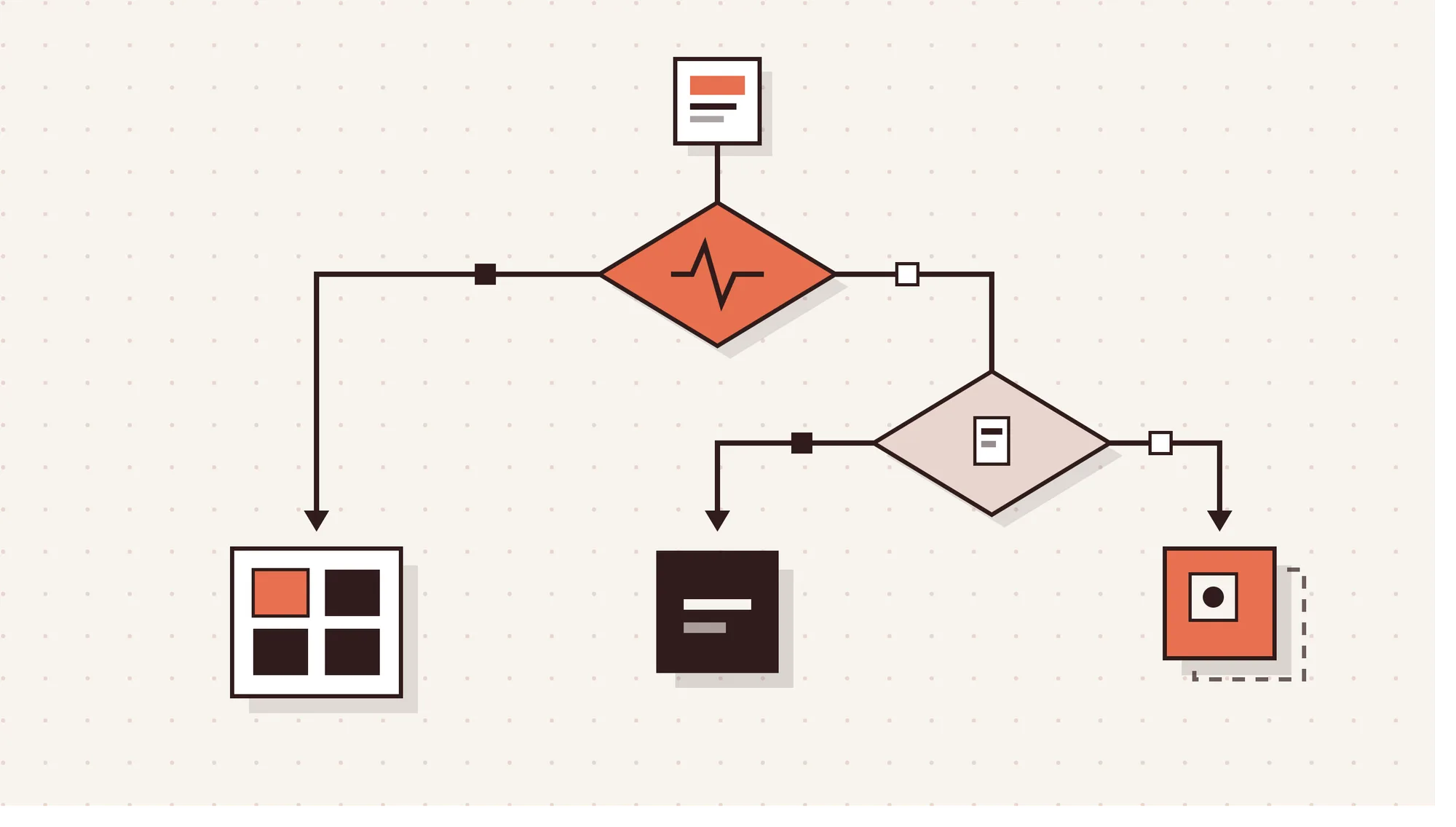
6 steps to choose the right delivery model are given below.
- Measure your workload pattern. Track billable design hours over the last 6 to 12 months. Steady demand points toward in-house hiring, while spiky demand points toward white label or freelance support.
- Separate core work from overflow. List the work that defines your agency, like strategy and creative direction. Keep core work close to your team, and send repeatable overflow work to an outside partner.
- Check internal bandwidth. Decide who will write briefs and review incoming work. Freelancers need the most management time. A white label partner mainly needs a clear brief and a final QA pass.
- Compare total cost, not hourly rates. Add benefits, recruiting, tools, management time and idle months to every option. A cheap hourly rate can cost more once re-briefing and revision rounds pile up.
- Rate your confidentiality needs. Decide how important client ownership and invisibility are to your agency. You need contract-backed white label terms or your own staff, if clients must only see your brand.
- Run a small paid pilot. Test your top choice on one real, contained project before committing. A paid pilot shows communication, quality and turnaround in a way no sales call can.
How to Set Up a White Label Partnership?
To set up a white label partnership, lock in scope, contracts, process and a pilot before scaling. Clear terms up front prevent most of the friction agencies run into later. The same setup applies whether you work with a white label design partner for apps, websites or SaaS.
5 steps to set up a white label partnership are given below.
- Define your scope and service lines. Decide which services you will resell, such as website UI/UX, mobile app design or branding. Set clear boundaries on what the partner handles and what stays with your team.
- Sign NDA, non-solicitation and IP terms. Sign a mutual NDA, IP terms and a non-solicitation clause that bars the partner from approaching your clients. IP should transfer to your agency on payment, so you can pass full rights to the client.
- Build an intake template and definition of done. Create one brief template covering goals, users, scope, brand assets and deadlines. Then define "done," from file naming to developer handoff. A shared standard means both teams judge work the same way.
- Agree on communication and QA checkpoints. Pick one shared channel, agree on response times and confirm the time-zone overlap needed for reviews. Set QA gates at wireframes, UI design and handoff so issues surface early.
- Start with one pilot, then scale. Run a single pilot project with a clear scope and deadline. Review the unbranded deliverables, communication and revision speed. Add more projects once the partner meets your quality bar.
What Should You Know Before Hiring a White Label Partner?
Before hiring a white label partner, check client awareness, partner quality and data security. These three concerns decide whether the partnership protects client trust and your brand.
Will Clients Know You Use a White Label Partner?
No, clients do not know you use a white label partner when everything ships unbranded. Design files, staging URLs and code metadata carry your agency's name, not the partner's. The contract backs that up with confidentiality and no-contact terms.
Whether to disclose the partnership stays your business decision. A good partner simply makes invisibility the default.
What Should You Look for in a White Label Design Partner?
The right partner proves its quality before you sign, through its work, people and process.
6 things to look for in a white label design partner are given below.
- Relevant portfolio. Look for shipped work in your product type, such as SaaS dashboards or mobile apps.
- Named senior designers. Ask who will work on your account, and expect senior designers, not rotating juniors.
- Process and QA discipline. Expect documented SOPs, review checkpoints and a clear developer handoff routine.
- White label contract terms. Check for NDA, non-solicitation and IP clauses written for agency resale.
- Working-hours overlap. Confirm a few shared hours each day for reviews and quick fixes.
- Agency references. Ask to speak with other agencies, and consider a paid trial task.
Is Client Data Safe With a White Label Partner?
Yes, client data is safe with a white label partner when the right controls are in writing. A mutual NDA and IP assignment on payment protect confidential work and ownership. Access control limits who can see client files and accounts.
You can also ask whether the partner follows security standards such as ISO 27001 or SOC 2. Agency contracts add institutional accountability that's harder to get from a solo freelancer.
Is White Label Cheaper Than Hiring In-House?
Yes, white label is usually cheaper than in-house because it turns fixed payroll into a variable cost. The exception is steady work that keeps a designer fully used all year.
Are Freelancers Cheaper Than White Label Agencies?
Yes, freelancers are cheaper than white label agencies per hour, but not always in total cost. Freelancers charge lower hourly rates because they carry no project manager or backup bench. But your team absorbs the management time instead.
Every rotation means re-briefing, and extra revision rounds add up. A freelancer is also a single point of failure. Your deadline has no backup if they get sick or book another client.
When Does an In-House Team Become Cost-Effective?
An in-house team becomes cost-effective when steady work keeps a salaried designer fully used all year. Idle weeks are what make payroll expensive.
To find break-even, compare a designer's fully loaded annual cost with a partner's price for those hours. Deep product knowledge and daily collaboration can also tip the decision toward hiring when numbers are close.
What Are the Pros and Cons of White Label, Freelancers and In-House?
White label scales without headcount, freelancers start fast, and in-house gives full control, but each has trade-offs.
The pros and cons of white label partners, freelancers and in-house teams are given in the table below.
| Model | Pros | Cons |
|---|---|---|
| White label partner | Scales delivery without adding headcount Work ships under your brand Managed team with a project manager |
Needs your intake and QA ready first Less direct control over process Higher rate than a solo contractor |
| Freelancer | Fast to start Flexible for short-term needs Cost-effective for small or niche tasks |
Availability and quality vary Management falls on your team Context lost on each rotation, with no backup |
| In-house team | Full control over work and priorities Deep product knowledge Long-term continuity and daily collaboration |
High fixed cost for salary, benefits and tools Long hiring cycles Underutilization risk in slow months |
How Does White Label Compare With Other Outsourcing Models?
White label is one form of outsourcing, defined by working under your brand. Other models differ in who manages the work and who owns the brand.
What Is the Difference Between White Label and Outsourcing?
The difference is visibility: a white label partner delivers invisibly under your brand, while general outsourcing often doesn't. With white label, you keep the client and present the work as your own. General outsourcing hands a whole function or project to a vendor.
That vendor may work in its own name, deal with stakeholders directly and carry its own accountability. Pricing is often project-based in both models.
What Is the Difference Between White Label and Staff Augmentation?
The difference is who manages the work: staff augmentation adds people you direct, while white label delivers output. With staff augmentation, individuals join your team under your direction and usually bill by the hour. You run their tasks and own the results.
A white label partner manages its own team and delivers ready-to-present work under your brand. It also takes accountability for outcomes, not just hours.
Frequently Asked Questions
Can Agencies Combine White Label, Freelancers and In-House Teams?
Yes, agencies can combine white label, freelancers and in-house teams because each model covers a different need. A common hybrid model keeps strategy and client relationships in-house.
A white label partner then handles scalable execution, and freelancers cover niche one-off tasks. The mix works best when everyone follows one shared process for briefs, reviews and handoff.
Is White Label Better Than Hiring Freelancers?
Yes, white label is better than freelancers for ongoing, multi-discipline client work because it offers a managed team. You get reliability, brand consistency and backup across research, UI design and handoff. Freelancers are still the better fit for small, well-scoped tasks with a clear end date.
Will AI Replace White Label Agencies and Freelancers?
No, AI will not replace white label agencies and freelancers because clients still need human judgment. BLS still projects job growth for web and digital interface designers through 2035, though AI may soften it. AI speeds up production, but research, strategy and quality control remain human work.
Final Thoughts on White Label vs Freelancers vs In-House
The white label vs freelancers vs in-house decision comes down to workload and control. Build in-house for steady core work, and hire freelancers for small, scoped tasks. Choose white label when you need to scale delivery under your own brand without adding payroll.
Many agencies end up mixing all three as they grow. Panze works as an extension of your team, with senior designers delivering developer-ready files under your brand. Explore our white label design pricing, or book a call to talk through your next project.