White label vs outsourcing comes down to one question: whose name does the client see? Outsourcing hands work to an external vendor that may use its own brand and talk to your client. White label uses a behind-the-scenes partner, so you resell the work under your agency brand.
Both models start with a brief, but the steps, pricing, and quality ownership differ. Outsourcing also comes in 7 types, from offshore teams to staff augmentation. Costs range from a partner rate card with your markup to hourly rates and in-house salaries.
Each model has clear pros and cons for your margins and workload. AI-assisted delivery is also pushing both toward outcome-based pricing and smaller teams. The final sections show how to choose, so you can scale without hiring and keep the client relationship.
What Is White Label?
White label is a service model where a partner does the work and you sell it as yours. The partner fulfills the work behind the scenes and stays invisible to the end client. You set the retail price and keep the margin between the partner rate and your fee.
For agencies, white label usually means service fulfillment, such as design, development, SEO, or branding. Product white label is different, since it covers physical goods that a store rebrands. Our guide on what a white label design agency is covers the service side in more depth.
What Is Outsourcing?
Outsourcing is hiring an external team or company to do work you would otherwise do in-house. The third-party provider may work under its own name and may speak with your end client directly.
Common examples include IT support, payroll, and other back-office functions. Every white label arrangement is a form of outsourcing, but not every outsourcing arrangement is white label.
Cost isn't the only reason companies outsource. Deloitte's Global Outsourcing Survey 2024 names skilled talent and agility alongside cost reduction as key drivers. So the sourcing decision is now about capability as much as savings.
What Is the Difference Between White Label and Outsourcing?
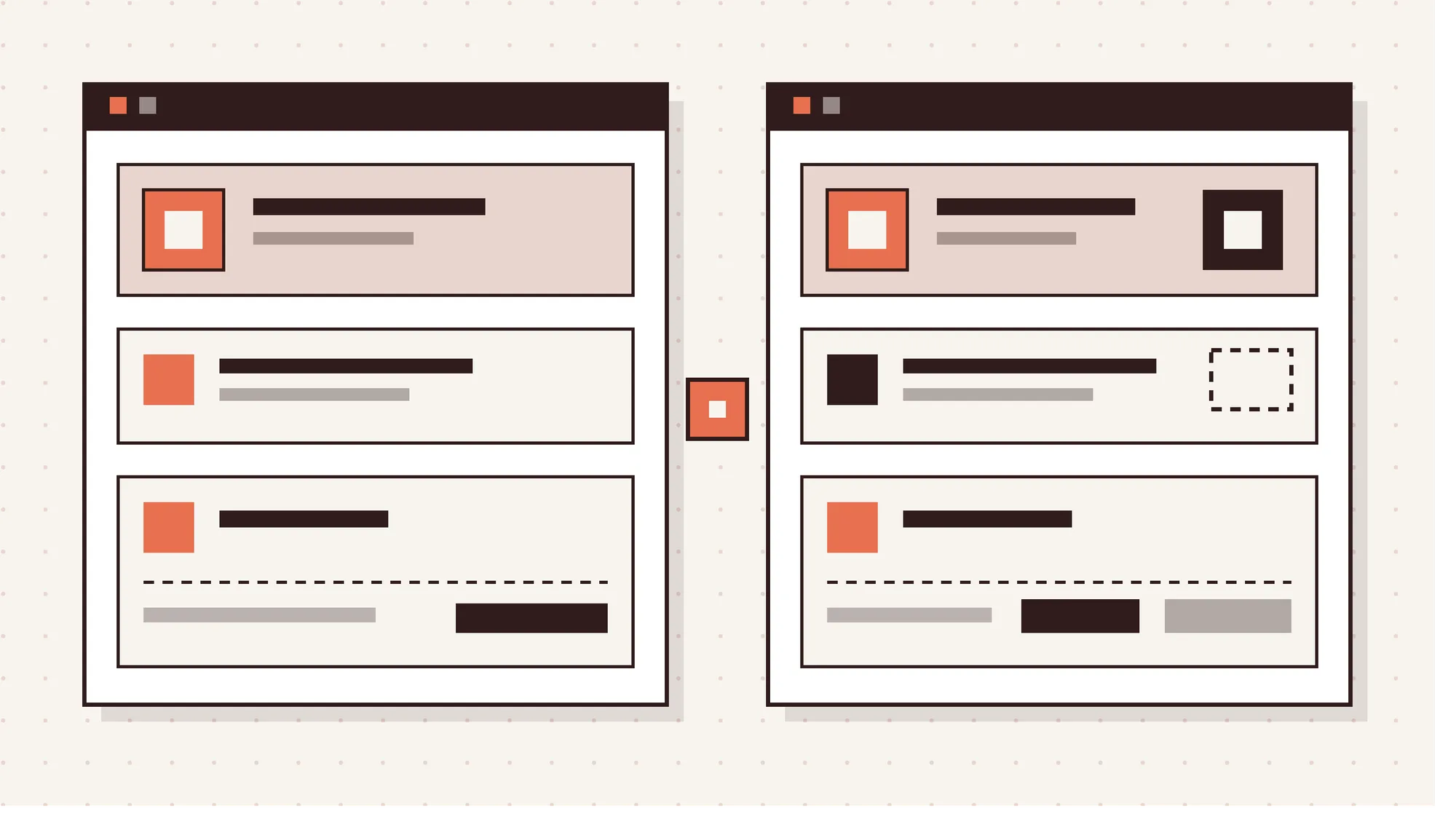
The main difference between white label and outsourcing is who owns the brand and the client relationship. Outsourcing is a sourcing decision about who does the work. White label is a delivery model where the partner stays invisible and you own the client experience.
With outsourcing, the vendor takes ownership of a task. With white label, the partner owns delivery, and you own brand consistency, acceptance criteria, and revision rules. Direct client contact is the biggest client-relationship risk in traditional outsourcing.
The 8 key differences between white label and outsourcing are shown in the table below.
| Criteria | White label | Traditional outsourcing |
|---|---|---|
| Client-facing brand | Always the agency's brand | Vendor brand may appear |
| Client relationship | Agency keeps it, and the partner never contacts the client | Vendor may contact the client directly |
| What is handed over | A defined, resellable deliverable | A task or function |
| Quality control | Documented QA and acceptance criteria | Varies by vendor |
| Project management load | Mostly partner-managed | Agency often coordinates |
| Pricing | Partner rate card, with the agency setting its own markup | Hourly or per-project rates that vary |
| Confidentiality | NDA, non-solicit clause, and portfolio exclusion | Standard contract terms |
| Best for | Recurring, client-facing work | One-off, internal, or back-office work |
White label fits when the client must only ever see your agency. Outsourcing works well when vendor visibility doesn't matter to the client.
How Do White Label and Outsourcing Work?
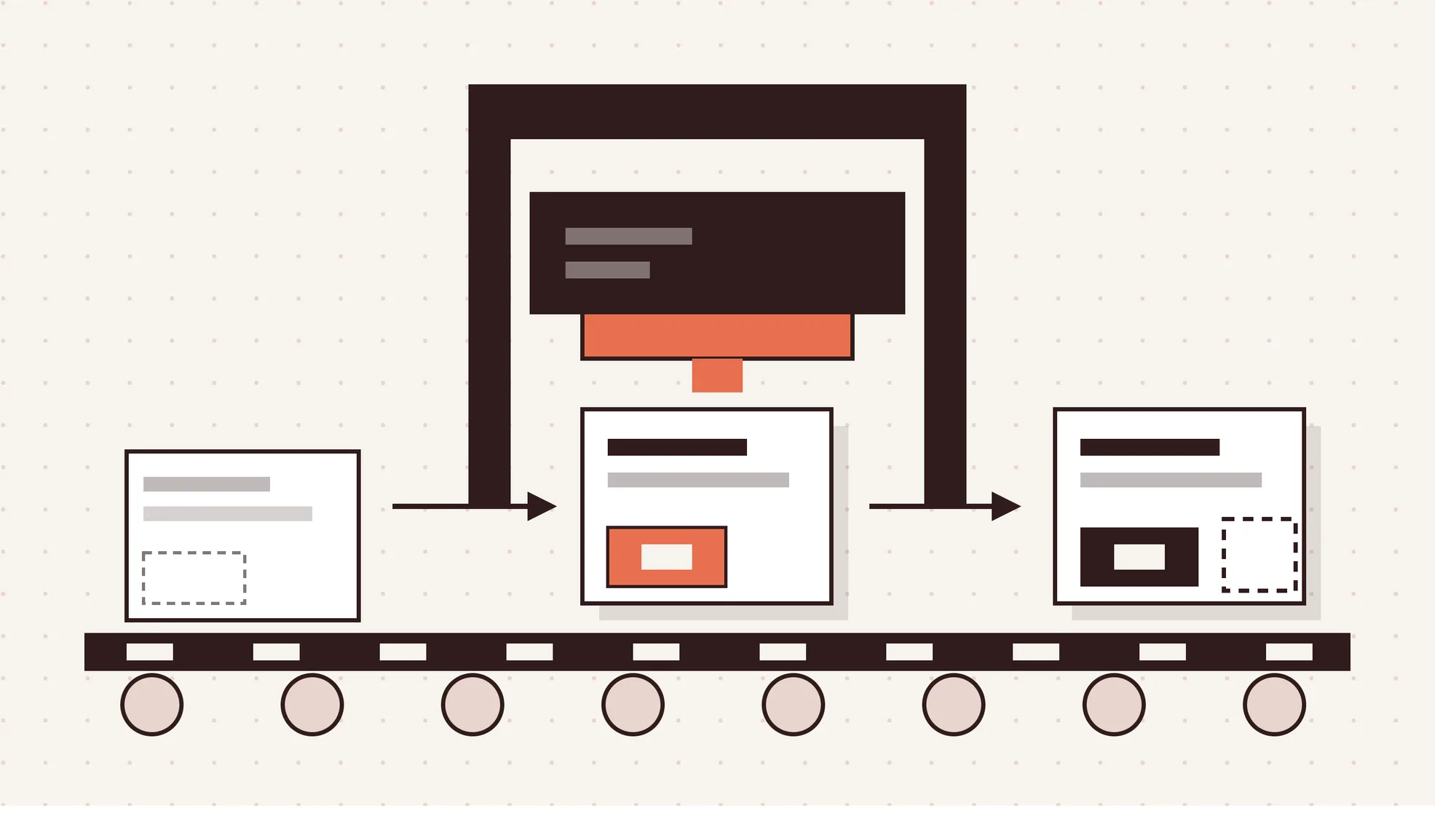
White label and outsourcing both start with a brief. But a white label partner delivers under your brand, while an outsourcing vendor delivers under its own process.
5 steps of how a white label partnership works are given below.
Brief the scope you sold. Send the exact scope, goals, and deadline you agreed with your client, so nothing gets lost.
Receive a fixed quote on a partner rate card. The partner prices a fixed scope and timeline. You then add your markup and set the retail price.
Partner delivers in your tools under your brand. Designers work in your Figma files, Slack channels, and templates, so the client only sees your agency.
Review and QA before client delivery. The partner checks work against your acceptance criteria. Your team then reviews it before anything reaches the client.
Handover of editable source files and specs. You get editable source files, developer specs, and documentation for a clean, agency-branded handover. 5 steps of how traditional outsourcing works are outlined below.
Define the task or function to outsource. Decide what moves out, such as QA testing or payroll, and what stays in-house.
Shortlist and select a vendor. Compare vendors on skills, pricing, time zone overlap, and past work.
Sign a contract with SLAs and pricing. The service level agreement, or SLA, sets response times and quality targets. Pricing is usually hourly or per project.
Vendor delivers with its own tools and process. The vendor follows its own workflow and file standards, and may add its own branding.
Review, accept, and manage the vendor. Your team checks the output, requests fixes, and signs off. You also manage the relationship over time. Panze runs a 4-step white label process of Brief, Quote, Design, and Handover. Our breakdown of how white label product design works shows each stage in detail.
What Are the Types of Outsourcing?
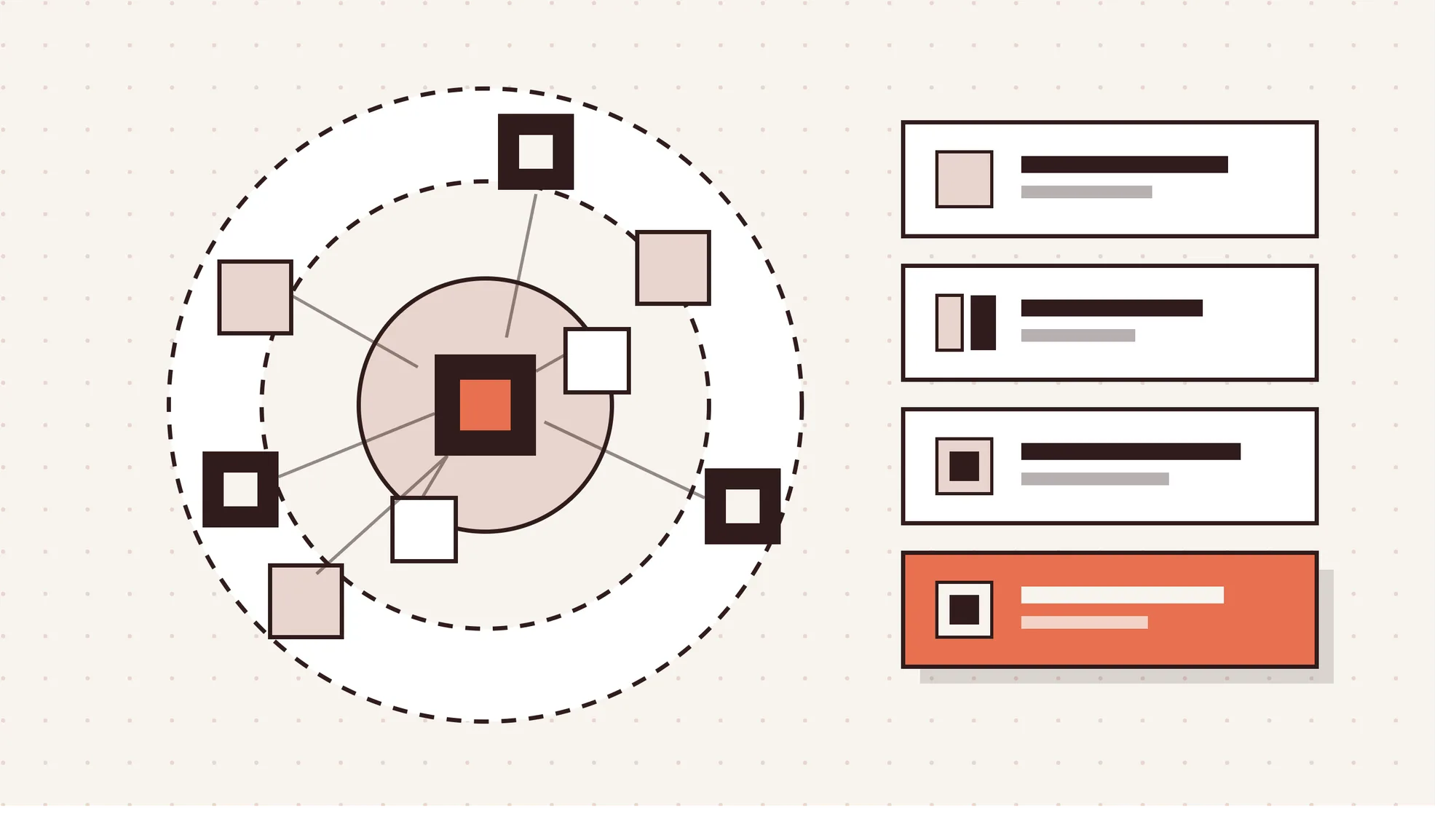
The 7 main types of outsourcing are onshore, nearshore, offshore, project-based, staff augmentation, BPO, and white label. White label is one outsourcing model, defined by who the client sees rather than where the team sits.
The 7 types of outsourcing are given below.
- Onshore outsourcing. You hire a vendor in your own country. Communication is easy and time zones match, but rates are usually the highest.
- Nearshore outsourcing. You hire a vendor in a nearby country, such as a US agency working with Latin America. Time zone overlap stays strong.
- Offshore outsourcing. You hire a vendor in a distant region with lower labor costs. Savings can be large, but time zone delays slow feedback.
- Project-based outsourcing. A vendor takes one defined project from start to finish. You usually pay per project and step back from daily management.
- Staff augmentation. You add outside specialists to your team as a dedicated team extension. Your managers direct their daily work, usually on an hourly contract.
- Business process outsourcing, or BPO. A provider runs a whole function, such as payroll, customer support, or accounting. Contracts tend to be long term and SLA-based.
- White label outsourcing. A partner delivers client-facing work under your brand and stays invisible. You resell the result and keep the client relationship. Sourcing is now multidimensional. The same Deloitte survey found 78% of organizations use global in-house centers, or GICs. And 70% selectively insourced third-party work in the last 5 years.
How Much Do White Label and Outsourcing Cost?
White label partners charge a fixed partner rate, while outsourcing vendors usually bill hourly. In-house hiring adds salary, benefits, and hiring costs.
With white label, you pay the partner rate and set your own markup and retail price. Panze white label projects start at $1,000, and most finish in 7 to 15 days. Pricing options include per project, a monthly retainer, or an embedded designer.
Freelance UI designers on Upwork charge a median of $20 to $40 per hour. US-based intermediate interface layout specialists charge $30 to $125 per hour.
In-house carries the largest fixed cost. The BLS lists median pay of $104,000 a year for web and digital interface designers in May 2025. Benefits add another 30% of private-industry compensation, per BLS data from June 2026.
SHRM puts the average nonexecutive cost per hire at $5,475 for 2025. For design-specific budgets, our guide to UI/UX design cost breaks down the main factors.
Typical costs of white label, outsourcing, and in-house options are shown in the table below.
| Model | Pricing model | Typical cost | Turnaround or commitment |
|---|---|---|---|
| White label partner, Panze | Per project, monthly retainer, or embedded designer | From $1,000 per project | Most projects 7 to 15 days, large platforms 2 to 3 months |
| Freelance UI designer | Hourly rate or flat fee | Median $20 to $40 per hour | Hourly or per task |
| US-based intermediate UI specialist | Hourly rate | $30 to $125 per hour | Hourly |
| In-house interface designer | Full-time salary | Median $104,000 per year | Full-time, ongoing |
| In-house benefits | Added to salary | 30% of total compensation | Ongoing |
| In-house hiring | One-off cost | $5,475 average cost per hire | Per hire |
The sticker price isn't the total cost of delivery. Project management time, revisions and rework, and time zone delays all add hours you can't bill.
What Are the Pros and Cons of White Label and Outsourcing?
White label and outsourcing both cut hiring costs but differ in brand control, quality ownership, and client-relationship risk.
The pros and cons of white label and outsourcing are given in the tables below.
| Pros of white label | Cons of white label |
|---|---|
| Your brand stays in front of every client | Higher sticker price than most hourly freelancers |
| Scale services without hiring new full-time staff | Less suited when clients must know who did the work |
| Documented QA and backup cover from a full team | Undefined scope multiplies revisions and cuts your margin |
| Predictable partner pricing keeps your margins steady | Final quality depends on the partner's QA process |
| NDA and non-solicit clauses protect the client relationship | Overselling capabilities you can't support damages client trust |
| Pros of outsourcing | Cons of outsourcing |
|---|---|
| Cost-effective for isolated, one-off pieces of work | The vendor may be visible to your clients |
| Access to specialized experts across global markets | Quality control varies from vendor to vendor |
| Saves your team time on non-core tasks | Your agency may carry the project management load |
| Fits back-office and infrastructure work well | Communication gaps and time zone delays slow feedback |
| Frees your core team to focus on strategy | Data security and privacy need extra contract safeguards |
White label wins on brand consistency and predictable margins. Outsourcing wins on flexibility for internal work clients never see.
How Is AI Changing White Label and Outsourcing?
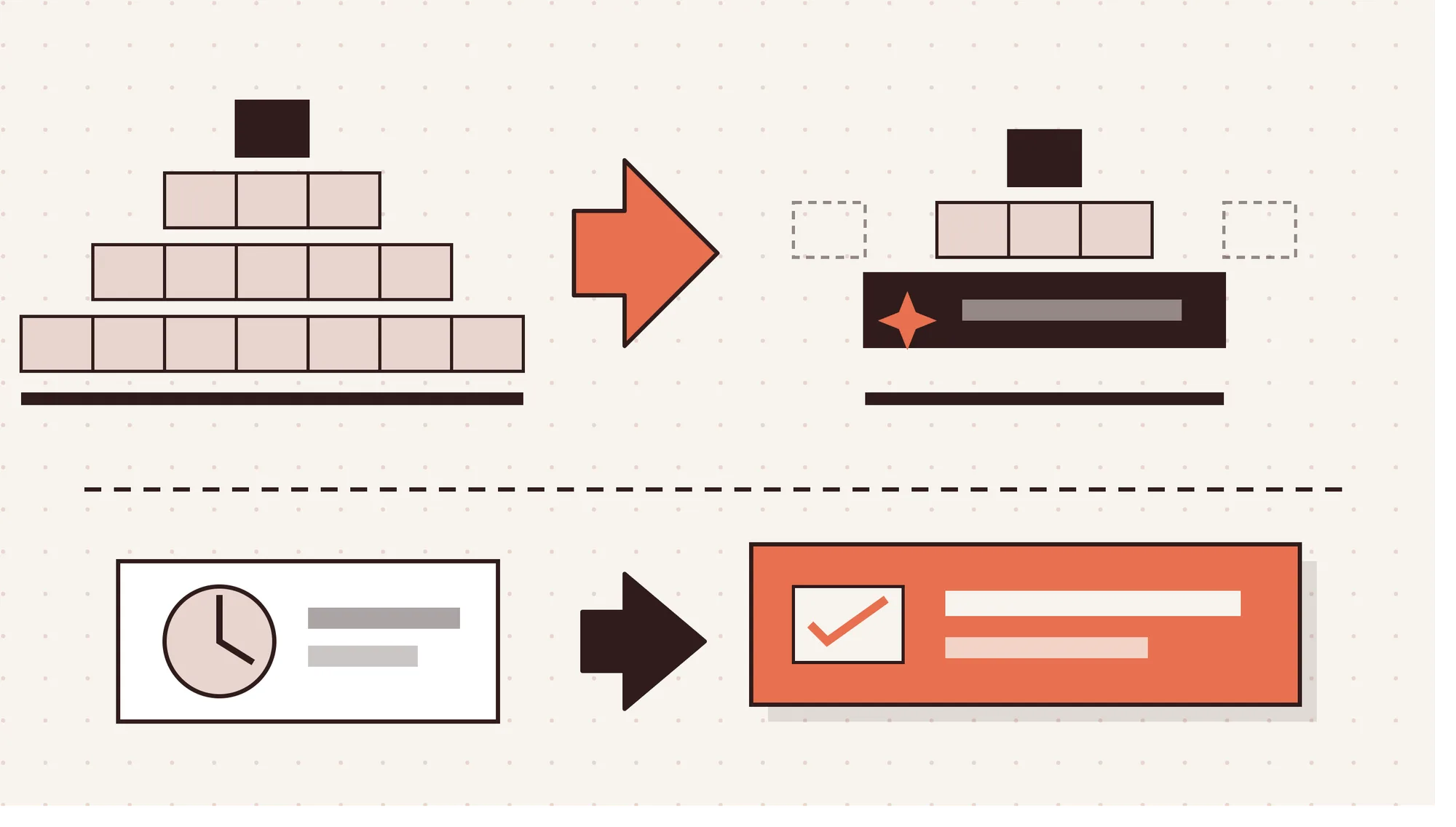
AI is changing white label and outsourcing in 3 ways. It speeds up delivery, moves pricing from hours to outcomes, and raises the value of human review.
The shifts below affect what partners charge, how delivery teams are staffed, and what agencies worry about most.
6 ways AI is changing white label and outsourcing are given below.
- AI inside outsourced services. 83% of executives already use AI as part of outsourced services, per Deloitte's 2024 survey. Yet only 25% report lower vendor costs or better quality from it.
- Pricing moves from hours to results. Forrester reported in October 2026 that providers are shifting from labor-based pricing to output, outcome, and fixed-price models. Forrester's State of Services 2025 found 45% of services decision-makers expected to expand performance-based pricing.
- Productivity gains passed to clients. Clients now expect a share of the AI savings. Per Forrester, the TCS CEO puts the productivity gains passed to clients at typically 10% to 15%. Expect partners to price with those gains in mind.
- Leaner delivery teams. McKinsey's State of AI 2026 found 39% of organizations expect AI to decrease headcount over the next year. Forrester notes that large pyramid delivery structures are the most exposed.
- Blended design and development. Figma's 2026 AI report found designers taking part in development rose from 21% to 41%. That pushes white label partners to offer design and build together, not as separate handoffs.
- Quality and disclosure concerns. In a Duda survey of 36 agencies, 64% named "AI slop," or low-quality AI output, their top concern. Another 28% feared price pressure. The sample is small, so treat these figures as an early signal. Before you sign, ask how a partner governs and discloses AI use. Then confirm a human reviews every file before delivery. Our comparison of AI vs human designer work shows where people still add the most value.
How to Choose Between White Label and Outsourcing?
To choose between white label and outsourcing, decide who should own the client relationship first. Then match the model to the type of work, your budget, and your quality needs.
The factors below work as a simple partner scorecard.
6 factors to choose between white label and outsourcing are outlined below.
- Client visibility. Choose white label when the client must only see your agency. Choose outsourcing when vendor visibility doesn't matter, such as on internal or back-office projects.
- Type of work. Recurring client-facing work, like websites and dashboards, fits white label. One-off or back-office tasks, like payroll or data entry, fit outsourcing better.
- Quality control and QA ownership. White label partners run documented QA against your acceptance criteria. With outsourcing, your team often owns QA and catches the problems itself.
- Budget and margin. Compare the total cost of delivery, not hourly rates. A fixed partner rate card makes margin protection easier when you resell work at a set markup.
- Confidentiality and IP ownership. Check for a non-disclosure agreement, a non-solicit clause, and full IP transfer. Those terms protect your client and your future work.
- AI capability and governance. Ask how the partner uses AI and who reviews the output. Start with a small trial project to test speed and quality before you commit. Our list of the best white label UI/UX design agencies can help you build a shortlist.
When Should You Use White Label or Outsourcing?
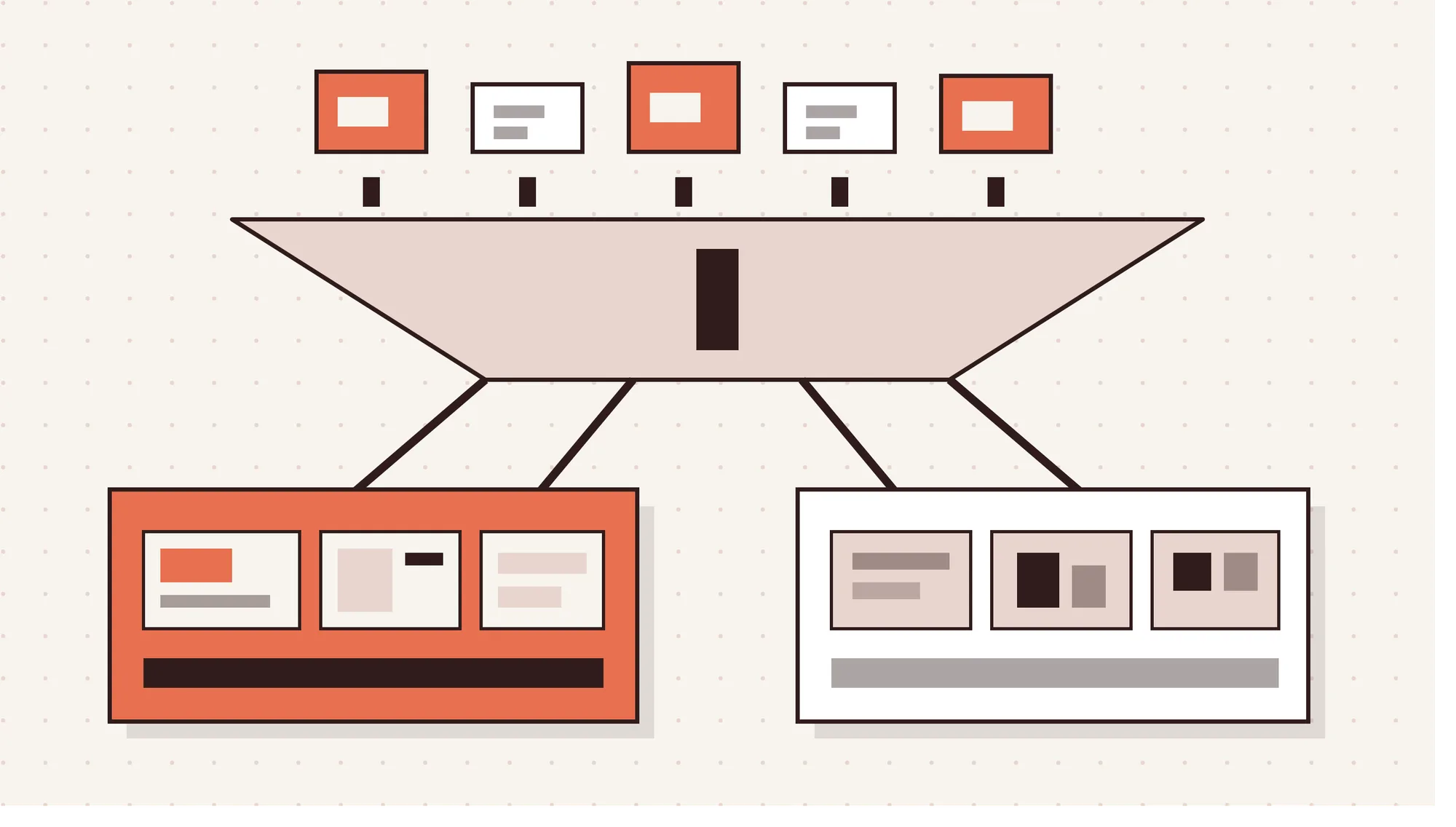
Use white label for client-facing work and outsourcing for internal work. Most agencies need both at some point. The questions below cover capacity overflow, service expansion, specialist tasks, and a hybrid sourcing model.
When Should an Agency Use White Label Services?
An agency should use white label services when client-facing work outgrows its in-house team.
4 situations where white label works best are given below.
- Selling a service you can't deliver in-house. Offer UI/UX, branding, or development without building that skill from scratch.
- Handling capacity overflow. Take on extra projects during busy months without turning clients away or overloading staff.
- Recurring client-facing deliverables. Websites, mobile app design, and SEO retainers need steady quality under your brand every month.
- Adding a new service line without hiring. Test demand for a new offer before you commit to full-time salaries.
When Does Traditional Outsourcing Make More Sense?
Traditional outsourcing makes more sense for internal, back-office, and one-off specialist work. IT support, payroll, data entry, and QA testing are common examples. Your clients never see this work, so vendor visibility doesn't matter.
Outsourcing also suits short specialist jobs, such as a security audit or a single data migration. You get the skill when you need it, without paying a full-time salary.
Can You Combine White Label and Outsourcing?
Yes, agencies can combine white label and outsourcing because each model covers a different kind of work. White label handles client-facing projects under your brand. Outsourcing handles internal and back-office tasks.
Your in-house core team keeps strategy and the client relationship. Outsourcing overall isn't shrinking either. Deloitte found 80% of executives plan to maintain or increase third-party outsourcing investment.
Is White Label Worth It Compared to Outsourcing?
Yes, white label is usually worth it for client-facing work once you count the total cost of delivery. Sticker price alone hides rework and management time. The questions below compare real value for money and margin.
Is White Label More Expensive Than Outsourcing?
No, white label is not always more expensive than outsourcing. The partner rate often includes work you'd otherwise do yourself. A white label rate can be higher than a freelancer's hourly rate.
But that rate often covers project management, QA, and client-ready delivery. You also resell the work at your own markup, so the partner rate isn't your final price. You can compare plans on the Panze pricing page.
What Are the Hidden Costs of Outsourcing?
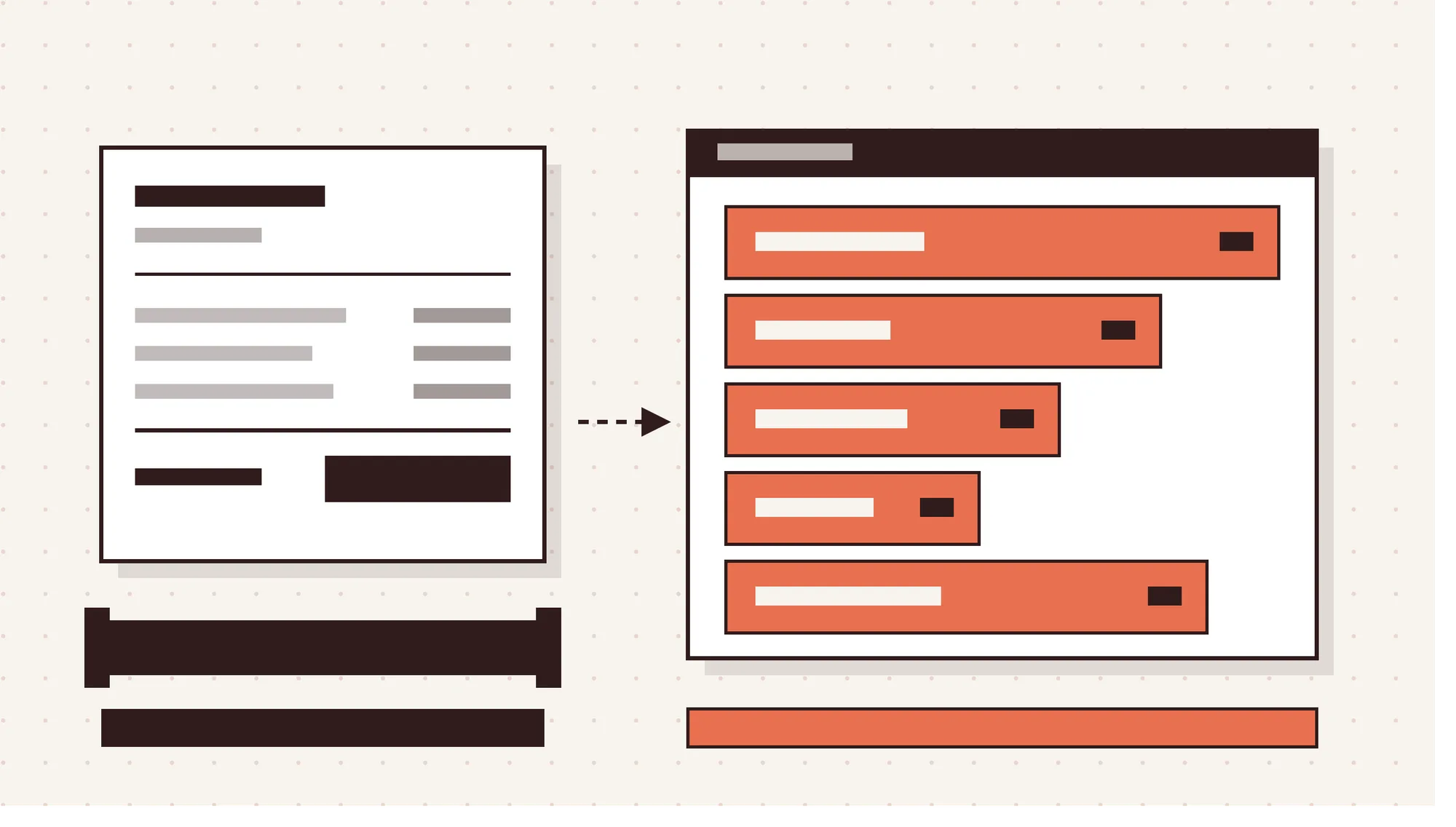
The hidden costs of outsourcing are the hours and risks that never appear on the vendor's invoice.
5 hidden costs of outsourcing are given below.
- Briefing and management time. Your team writes briefs, answers questions, and chases updates, and those hours add up fast.
- Rework and extra revision rounds. Work that misses your standards needs fixes, which eat into deadlines and margins.
- Communication delays across time zones. A simple question can take a full day to answer when working hours don't overlap.
- Vendor switching costs. Moving away gets expensive once your process knowledge sits inside a provider's AI agents and tools.
- Client-relationship risk. A visible vendor can build its own rapport with your client and weaken your position.
What Are the Risks of White Label and Outsourcing?
The main risks in both models are confidentiality, data security, and unclear ownership of the work. Each one can damage client trust when the contract is vague. The questions below show how to manage them.
Do Clients Know When You Use a White Label Partner?
No, clients do not usually know when you use a white label partner. The partner stays fully behind the scenes. NDAs, non-solicit clauses, and agency-branded deliverables keep it that way.
The partner also never contacts your client directly. Panze, for example, signs your client's NDA and keeps white label work off its portfolio permanently. Some client contracts or regulated industries require subcontractor disclosure, so check your agreements.
Who Owns the Work in White Label and Outsourcing?
Ownership depends on the contract in both models. White label partners typically hand over full ownership of the files. Panze, for example, hands over editable source files with no license fee or renewal.
Outsourcing contracts should state IP assignment clearly, including whether the work counts as work for hire. Treat this as general guidance, not legal advice. Confirm your IP terms with a lawyer before you sign.
How Do White Label and Outsourcing Compare With Other Models?
White label and outsourcing sit alongside private label, reselling, staff augmentation, and in-house teams. Each model handles brand ownership, control, and resale differently. The comparisons below show where the lines fall.
What Is the Difference Between White Label and Private Label?
The key difference is exclusivity. White label products are generic and sold by many resellers. Private label products are made for one seller only.
A private label seller usually sets a custom specification and holds exclusive branding rights. In agency services, white label is the common term.
What Is the Difference Between White Label and Reselling?
The key difference is whose brand the client sees. A reseller sells another company's product or service under the vendor's brand. Some resellers earn a referral commission instead of a markup.
With white label, the service is rebranded before it reaches the client. You own the brand, set the retail price, and keep the full margin.
What Is the Difference Between Outsourcing and Staff Augmentation?
The key difference is who manages the work. With outsourcing, the vendor owns the project and delivers an agreed outcome.
With staff augmentation, you add dedicated developers or designers as a team extension. Your team manages them directly, usually on an hourly contract.
What Is the Difference Between Outsourcing and an In-House Team?
The key difference is fixed cost versus flexible capacity. An in-house team gives you full control but adds fixed payroll, benefits, hiring, and training costs.
Outsourcing scales with demand, so you pay only for the work you need. Our breakdown of white label vs freelancers vs in-house compares all three options.
Frequently Asked Questions
Is White Label the Same as Outsourcing?
No, white label is not the same as outsourcing. White label is a type of outsourcing in which unbranded work is resold as your own.
The client sees your brand only. Other outsourcing models may put the vendor's name in front of your client.
Is White Labeling Legal?
Yes, white labeling is legal because it's a contractual arrangement between two businesses. It stays legal when you follow the partnership agreement, IP rights, and any disclosure terms.
Those terms may appear in client contracts or apply in regulated industries. Treat this as general information, not legal advice.
Will AI Replace White Label and Outsourcing Partners?
No, AI will not replace white label and outsourcing partners because strategy, research, and review still need people. AI speeds up production, but someone has to judge what's right for the client.
McKinsey's State of AI 2026 found two-thirds of organizations saw little or no AI-related employment change.
Final Thoughts
White label and outsourcing both move work outside your team. Only white label keeps your brand in front of the client. In the white label vs outsourcing decision, client visibility matters most.
Choose white label for recurring, client-facing work like design, development, and branding. Choose outsourcing for internal, back-office, or one-off specialist tasks.
Panze works as a white label design partner, with senior designers who deliver under your brand. Book a call with our team when you're ready to talk through your next project.