A healthcare app design agency designs patient, clinician and wellness apps for iOS and Android. It researches with patients and clinicians, then designs UX/UI, prototypes and HIPAA-aware flows for developer handoff. Digital health startups and large health systems both hire them.
Below are the 10 best healthcare app design agencies in 2026, each with live mobile apps. You'll also see how AI is reshaping the field. That includes AI health assistants, AI-assisted clinicians and new FDA guidance.
We also cover must-have features, specialist benefits, costs, timelines and how to choose well.
What Is a Healthcare App Design Agency?
A healthcare app design agency is a studio that designs digital health products for regulated settings. It researches, designs and prototypes mobile and web apps for patients, clinicians, payers and wellness brands. The work follows rules such as HIPAA, WCAG accessibility and FDA software guidance.
Unlike a general studio, it designs for anxious patients and time-pressed clinicians, not just clean screens.
What Does a Healthcare App Design Agency Do?
A healthcare app design agency turns patient and clinician needs into tested, compliant app screens. Many agencies, Panze included, package this work as mobile app design services for iOS and Android.
6 core services of a healthcare app design agency are given below.
- User research: Interviews and journey mapping with patients, caregivers and clinicians to find real needs.
- Mobile UX/UI design: Native screens that follow Apple's Human Interface Guidelines on iOS and Material Design on Android.
- Prototyping and usability testing: Interactive prototypes tested with real users before any code is written.
- Accessibility and health literacy design: Screens built to WCAG 2.1 AA, with plain-language copy that every patient can follow.
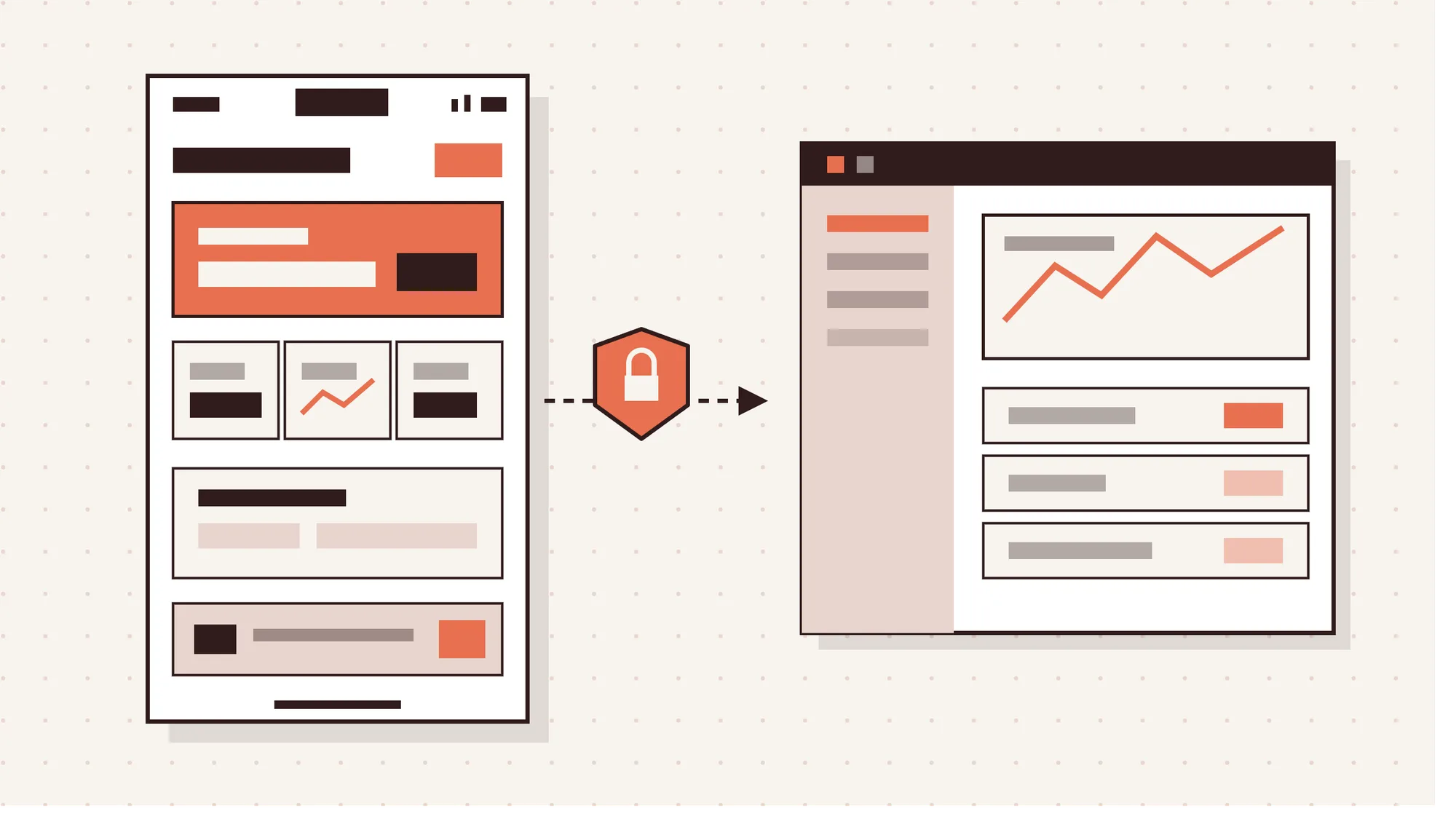
- Compliance-aware flows: Consent, protected health information and EHR data through HL7 and FHIR, planned from the first wireframe.
- Design systems and developer handoff: Reusable components, annotated specs and Figma files that let developers build without guessing.
What Are the Best Healthcare App Design Agencies in 2026?
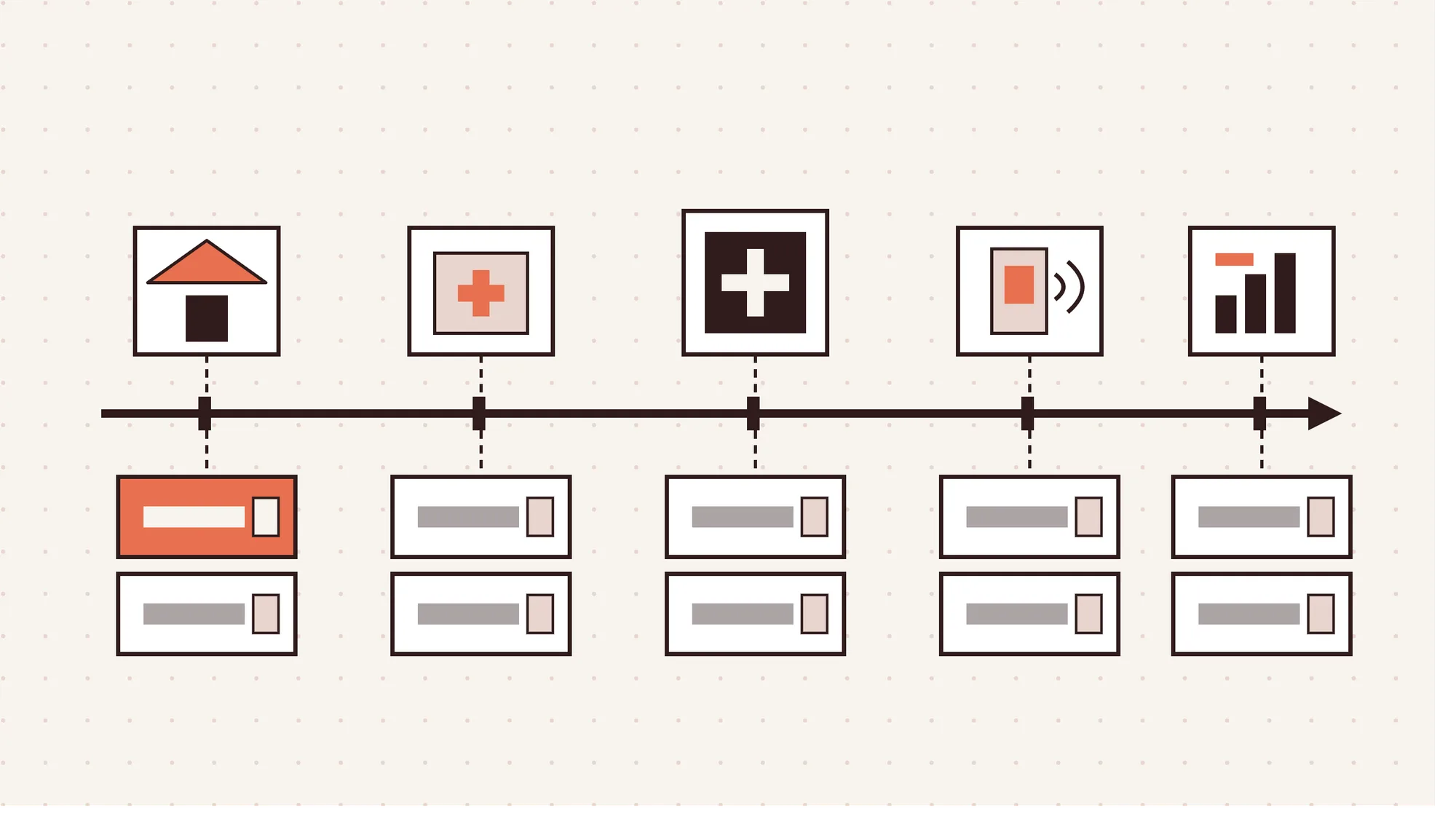
Ten agencies lead healthcare app design in 2026. They are Panze, WillowTree, Bottle Rocket, ustwo, Sidebench, MindSea, Punchcut, Waracle, Purrweb and CodersBucket.
Panze and Purrweb suit startups building a minimum viable product, or MVP. Bottle Rocket fits health systems, WillowTree and Punchcut fit medtech, and Waracle fits regulated clinical apps.
Each pick has health mobile work you can open, named clients and published results or awards. We also weighed HIPAA, FDA and ISO 27001 awareness and AI capability. Panze publishes this guide and is listed first, with the same facts-first detail.
Many roundups repeat the same names, so this list favors agencies with shipped, live health apps. For general mobile partners, see our list of the best mobile app design agencies.
The 10 best healthcare app design agencies are compared in the table below.
| Agency | Headquarters | Best for | Platforms | Published pricing | Live app example |
|---|---|---|---|---|---|
| Panze | Albuquerque, New Mexico, USA | Startup healthcare mobile app UI/UX | iOS, Android, cross-platform | Fixed-price plans from $500 | Vezmo |
| WillowTree | Charlottesville, Virginia, USA | FDA-regulated companion apps | iOS, Android, Flutter | Not published | Dexcom G7 app, Vocable |
| Bottle Rocket | Addison, Texas, USA | Hospital and health system patient apps | iOS, Android | On request | MyBSWHealth |
| ustwo | London, UK | Human-centered digital health services | iOS, Android | On request | Pineapp Fertility, Moodnotes |
| Sidebench | Los Angeles area, USA | Behavioral health and care delivery | iOS, Android, Kotlin Multiplatform, web | $50,000+ minimum on Clutch | NOCD |
| MindSea | Halifax, Nova Scotia, Canada | Research-backed digital health apps | iOS, Android, React Native, smartwatch | On request | BEAM, Constant Health |
| Punchcut | San Francisco, California, USA | Medtech and connected devices | Mobile, responsive web, connected devices | On request | Medtronic MiniMed patient portal |
| Waracle | London, Dundee, Edinburgh and Glasgow, UK | Clinical and medical device apps | Mobile, web | On request | SPOT |
| Purrweb | Ras Al Khaimah, UAE | Telemedicine and wellness MVPs | iOS, Android, web | Free estimate in 48 hours | VIMS |
| CodersBucket | Bangladesh | Large-scale public health platforms | Web, mobile, admin panels | Fixed, milestone or monthly team | Surokkha |
1. Panze: Best for Startup Healthcare Mobile App UI/UX
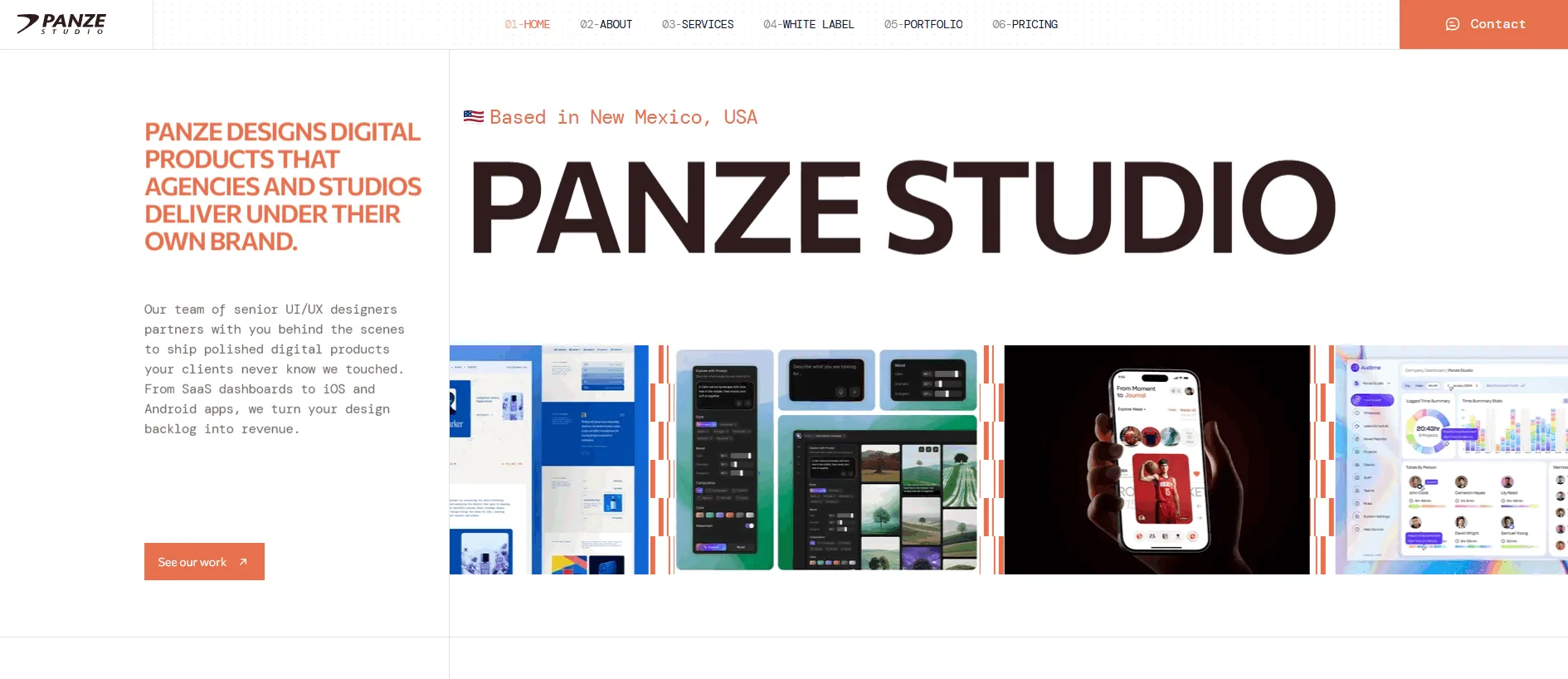
Panze is a US-registered design agency based in Albuquerque, New Mexico, with a team office in Khulna, Bangladesh. It lists compliant healthtech apps for patients and providers as a focus industry.
Its four-step process runs from discovery and user research to AI-powered wireframing and senior-reviewed UI design. It ends with prototyping, usability testing and Figma handoff, and the same team offers mobile app development services. Panze reports 10+ years of design experience, 250+ projects and work reaching 30+ countries.
Key details about Panze are given below.
- Best for: Startups and SaaS teams that want senior-led UI/UX for a health or wellness app.
- Services: iOS and Android app design, redesigns, interactive prototypes and app design systems.
- Pricing: Fixed-price plans from $500 or a monthly retainer, with most projects taking 2 to 8 weeks.
- Live app examples: Vezmo, a payments platform spanning website, web app, admin portal and mobile app.
2. WillowTree: Best for FDA-Regulated Companion Apps
WillowTree, a TELUS Digital company, is a mobile-first product agency headquartered in Charlottesville, Virginia. Its health and wellness practice, one of its largest, serves providers, payers, life sciences and wellness brands.
That includes companion apps for regulated devices, such as the Dexcom G7 app for continuous glucose monitoring. WillowTree reports that Flutter-based test automation cut testing time by 77%. It also built Vocable, a Webby-winning AI app that lets non-verbal users talk through head movements.
Key details about WillowTree are given below.
- Best for: Health brands building FDA-regulated companion apps or large patient platforms.
- Services: Strategy, UX/UI design, iOS, Android and Flutter development, and AI integration.
- Pricing: Not published.
- Live app examples: The Dexcom G7 app, Vocable on the App Store and Google Play, and Locus Health.
3. Bottle Rocket: Best for Hospital and Health System Patient Apps
Bottle Rocket is an Addison, Texas, digital product agency that designs patient apps for hospital systems. Founded in 2008, it joined WPP's Ogilvy network in 2013 and merged with Brazil's dti digital in 2025.
Its specialty is the digital front door, one app for appointments, records, bills and reminders built around MyChart. Bottle Rocket reports 500,000 users and a 4.7-star rating from 25,000+ reviews for MyBSWHealth.
Key details about Bottle Rocket are given below.
- Best for: Hospitals and health systems that want one patient app for the whole care journey.
- Services: Strategy, UX/UI design, native iOS and Android builds and EHR-connected experiences.
- Pricing: On request.
- Live app examples: MyBSWHealth, a Digital Edge 50 award winner, plus the Cook Children's and WebTPA MyHealthHub apps.
4. ustwo: Best for Human-Centered Digital Health Services
ustwo is a London-founded digital product studio with studios including Malmö, Lisbon and New York. It designs health services around patient emotions through research, service blueprints and a Make, Test, Learn process.
For Helios Health, ustwo spent eight months on research, service design and brand for the Pineapp Fertility app. Fast Company named the project a Best Health-Related Design 2024 honoree. ustwo also designed Moodnotes, a mental health journaling app, with Thriveport.
Key details about ustwo are given below.
- Best for: Health brands designing emotional journeys like fertility and mental health.
- Services: Human-centered research, service blueprints, brand, product design and clinician tools.
- Pricing: On request.
- Live app examples: Pineapp Fertility in selected markets and Moodnotes on the App Store.
5. Sidebench: Best for Behavioral Health and Care Delivery Platforms
Sidebench is a Los Angeles-area healthcare product studio reporting 60+ healthcare implementations over 14 years. It combines product strategy, UX-first design and HIPAA-compliant engineering.
For NOCD, an OCD treatment app, it spent hundreds of hours with OCD specialists. It then redesigned onboarding, navigation and therapy logging, and later became NOCD's product team. For Cortica, it unified scheduling, enrollment and billing across care types.
Key details about Sidebench are given below.
- Best for: Behavioral health and care delivery platforms that need design and engineering together.
- Services: Product strategy, UX/UI, HIPAA-compliant engineering, EHR interoperability and AI automation.
- Pricing: A $50,000+ minimum on Clutch, where it holds a 4.9 rating from 48+ reviews.
- Live app examples: NOCD on the App Store and Google Play, and the Cortica care platform.
6. MindSea: Best for Research-Backed Digital Health Apps
MindSea is a Halifax, Nova Scotia, digital health app company with offices in Toronto and Boston. It designs and builds patient-centered apps for researchers and healthcare teams, and reports 18 years and 250+ projects.
Its Mobile App UX Blueprint pairs iterative usability testing with WCAG accessibility work. MindSea says teams see a prototype in 8 to 12 weeks and launch in about 6 months.
Key details about MindSea are given below.
- Best for: Research teams that need evidence-backed patient engagement apps.
- Services: UX blueprints, usability testing, iOS, Android and React Native builds, and wearables.
- Pricing: On request.
- Live app examples: Constant Health, Halterix with Sunnybrook Research Institute and BEAM, which reached 84% retention and ORCHA accreditation.
7. Punchcut: Best for Medtech and Connected Device Experiences
Punchcut is a San Francisco interface design and innovation company focused on mobile and connected products. It partners with medical technology companies on personal healthcare experiences.
For Medtronic, it researched with insulin pump owners, caregivers and clinic managers across markets. That work produced a mobile-friendly patient portal and design system for the MiniMed pump system. Punchcut also simplified firmware updates and moved support from call centers to online self-management.
Key details about Punchcut are given below.
- Best for: Medtech companies designing connected device experiences for patients and caregivers.
- Services: User research, interface design, design systems, service design and connected device UX.
- Pricing: On request.
- Live app examples: The Medtronic MiniMed patient portal and Punchcut's Fitbit interface work.
8. Waracle: Best for Clinical and Medical Device Apps in the UK
Waracle is a UK app design and development company with offices in London, Dundee, Edinburgh, Glasgow and Sofia. It builds AI-driven and sensor-driven health apps for startups, pharma and healthcare organizations, using minimal, accessible interfaces.
For SPOT, the Safer Prescription of Opioids Tool, Waracle ran workshops, built the app and managed device quality. It reports that 98% of surveyed clinicians found SPOT beneficial.
Key details about Waracle are given below.
- Best for: Clinician-facing and medical device apps for UK healthcare and pharma teams.
- Services: Health app UX/UI, mobile and web development, AI features and device quality management.
- Certifications: ISO 27001 and Cyber Essentials Plus.
- Pricing: On request.
- Live app examples: SPOT, Smrtflo with Imperial College London and Smart Surgical Solutions, all clinician-facing.
9. Purrweb: Best for Telemedicine and Wellness App MVPs
Purrweb is an app design and development company registered in Ras Al Khaimah, UAE. It reports 550+ projects over 10 years.
Kano is a men's health service in France and Belgium. Purrweb cut its planned flow from 26 screens to 13 in about 2.5 months.
Key details about Purrweb are given below.
- Best for: Telemedicine and wellness startups that need a lean MVP design fast.
- Services: Telemedicine flows, mental health identities, wellness redesigns and MVP scoping.
- Pricing: A free project estimate within 48 hours, with prices not published.
- Live app examples: Gadoc for telemedicine and HLP for ADHD, both design-only, plus VIMS, which Purrweb built and released.
10. CodersBucket: Best for Large-Scale Public Health Platforms
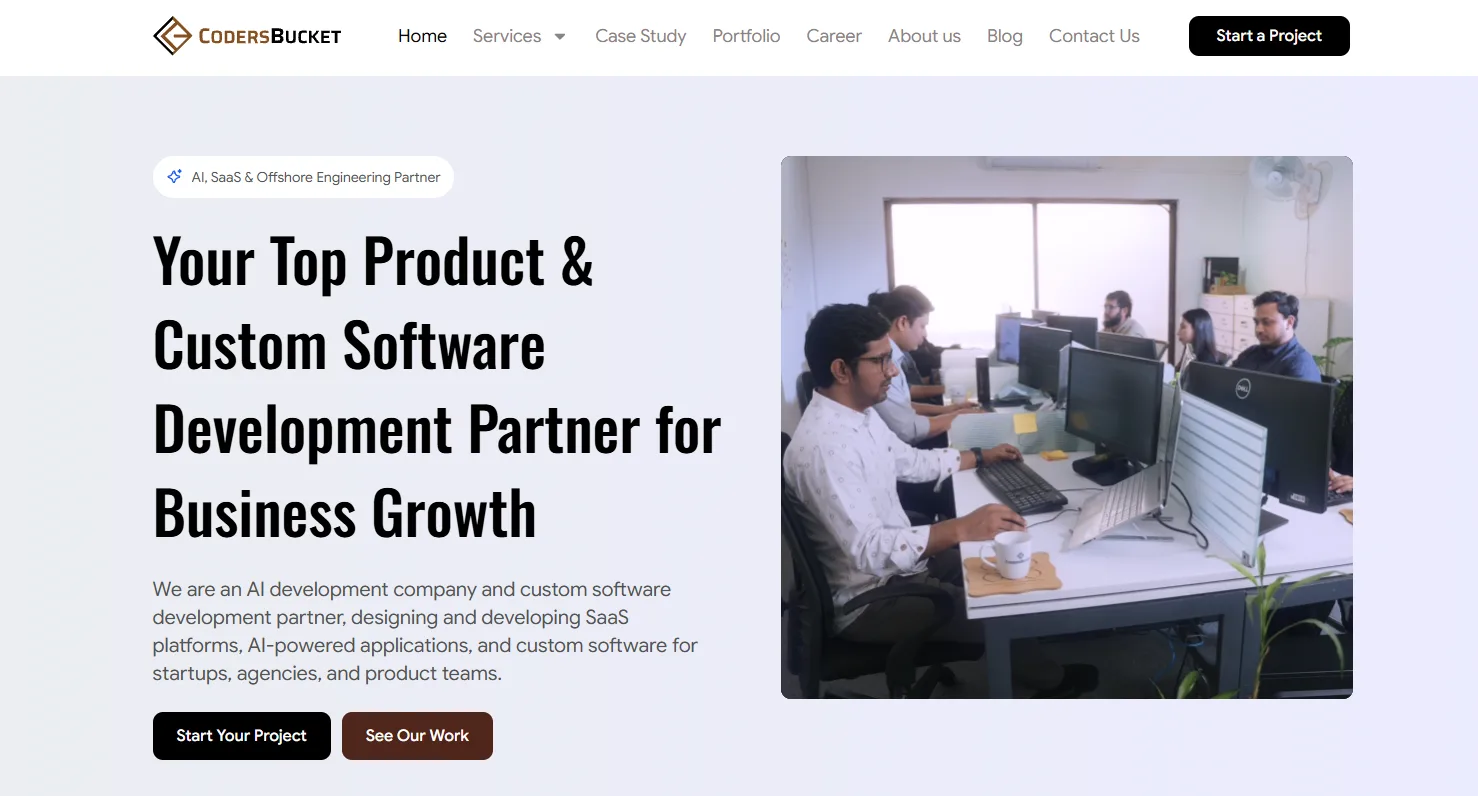
CodersBucket is a Bangladesh-based AI development and custom software company with a US contact line. It brings 14+ years of engineering to web and mobile platforms, MVPs, SaaS products and white label work.
Its largest health project is Surokkha, Bangladesh's national vaccination platform. CodersBucket designed and developed the registration site, citizen app, distribution app and admin panel. It reports 150M+ citizens served, 108M+ vaccinations and 5M+ app downloads.
Key details about CodersBucket are given below.
- Best for: Governments and large organizations running high-volume public health platforms.
- Services: Custom web and mobile apps, AI features and admin panels.
- Pricing: Fixed or milestone pricing, or a monthly dedicated team. It reports 5.0 Clutch and GoodFirms ratings and 180+ projects.
- Live app examples: Surokkha at surokkha.gov.bd and GymCity, a fitness SaaS with AI-assisted plans, at gymcity.com.
How Is AI Changing Healthcare App Design in 2026?
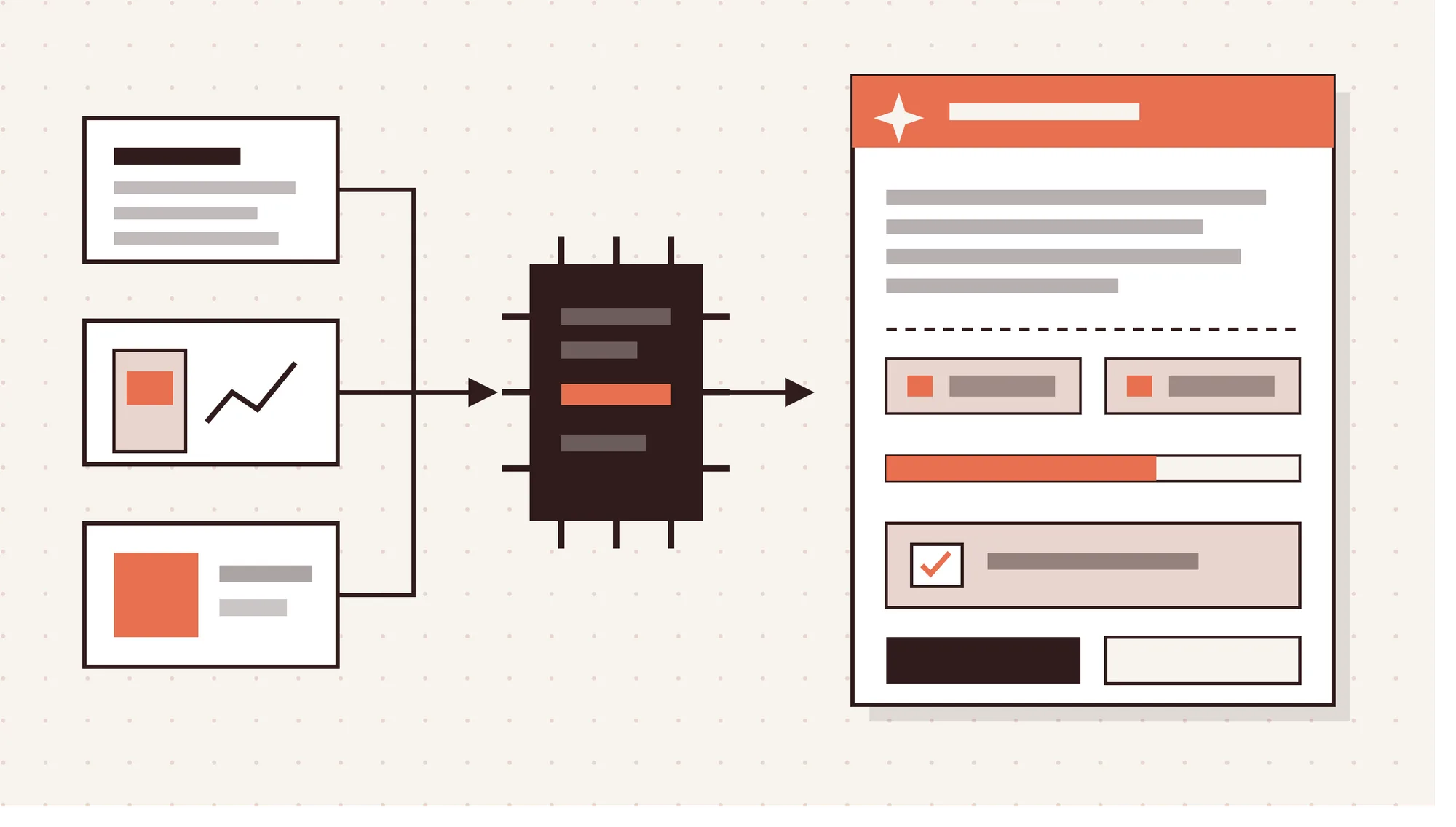
AI is changing healthcare app design by putting AI assistants between patients, clinicians and their health data. The AMA's 2026 physician survey found 81% of physicians use AI at work. That's more than double the 2023 rate.
Patients are moving too. OpenAI launched ChatGPT Health on January 7, 2026. Users can connect medical records and wellness apps such as Apple Health and MyFitnessPal.
7 ways AI is changing healthcare app design are given below.
- AI assistants become a front door: Patients now ask AI about their records, so apps need FHIR APIs and HealthKit-ready data.
- Explainable AI interfaces: Good AI screens show sources, confidence levels and a human-review step. Proven AI UX design patterns help.
- Design for AI-assisted clinicians: Summaries, draft notes and discharge instructions belong inside existing workflows, not in a separate tool.
- Clearer FDA lines: January 2026 guidance eased rules for low-risk wearables and some decision support tools. Claims and copy now decide the regulatory path.
- AI medical devices scale fast: The FDA lists more than 1,600 AI-enabled medical devices as of September 2026. None uses generative AI yet.
- AI is table stakes: Rock Health stopped tracking "AI deals" in Q1 2026 because nearly every digital health startup uses AI.
- Faster AI-assisted design work: AI speeds up wireframes and prototypes, while patient research and clinical review stay human.
What Features Should a Healthcare Mobile App Have?
A healthcare mobile app should have secure access, clear care tools and accessible design for every patient.
8 must-have features of a healthcare mobile app are given below.
- Simple onboarding: Short sign-up with clear consent screens and easy privacy choices.
- Secure sign-in: Biometric login and multi-factor authentication that protect data without slowing patients down.
- Appointments and telehealth: Booking, reminders and video visits in a few taps.
- Records in plain language: Lab results, records and medications explained in words patients actually understand.
- Secure messaging: Private, encrypted chat with the care team.
- Accessible design: Large tap targets, 4.5:1 text contrast and full screen-reader support.
- Wearable and device sync: Data from Apple Health, Google Health Connect and connected Bluetooth devices.
- Offline support: Core features that keep working for patients with weak or low-bandwidth connections.
What Are the Benefits of Hiring a Healthcare App Design Agency?
The benefits of hiring a healthcare app design agency are lower risk, faster launches and better retention.
The benefits of hiring a healthcare app design agency are outlined below.
- Regulatory knowledge from day one: The team knows HIPAA, FDA and accessibility rules upfront.
- Research access: Agencies can recruit hard-to-reach patients, caregivers and clinicians for testing.
- Lower usability risk: High-stakes flows like dosing, test results and alerts get tested before launch.
- Better engagement and retention: Behavior-change design keeps patients returning to log data and follow care plans.
- Faster launch: A proven process and reusable design system shorten the path from concept to app store.
- Developer-ready files: Annotated specs and component libraries cut rework between design and engineering.
How Much Does a Healthcare App Design Agency Cost?
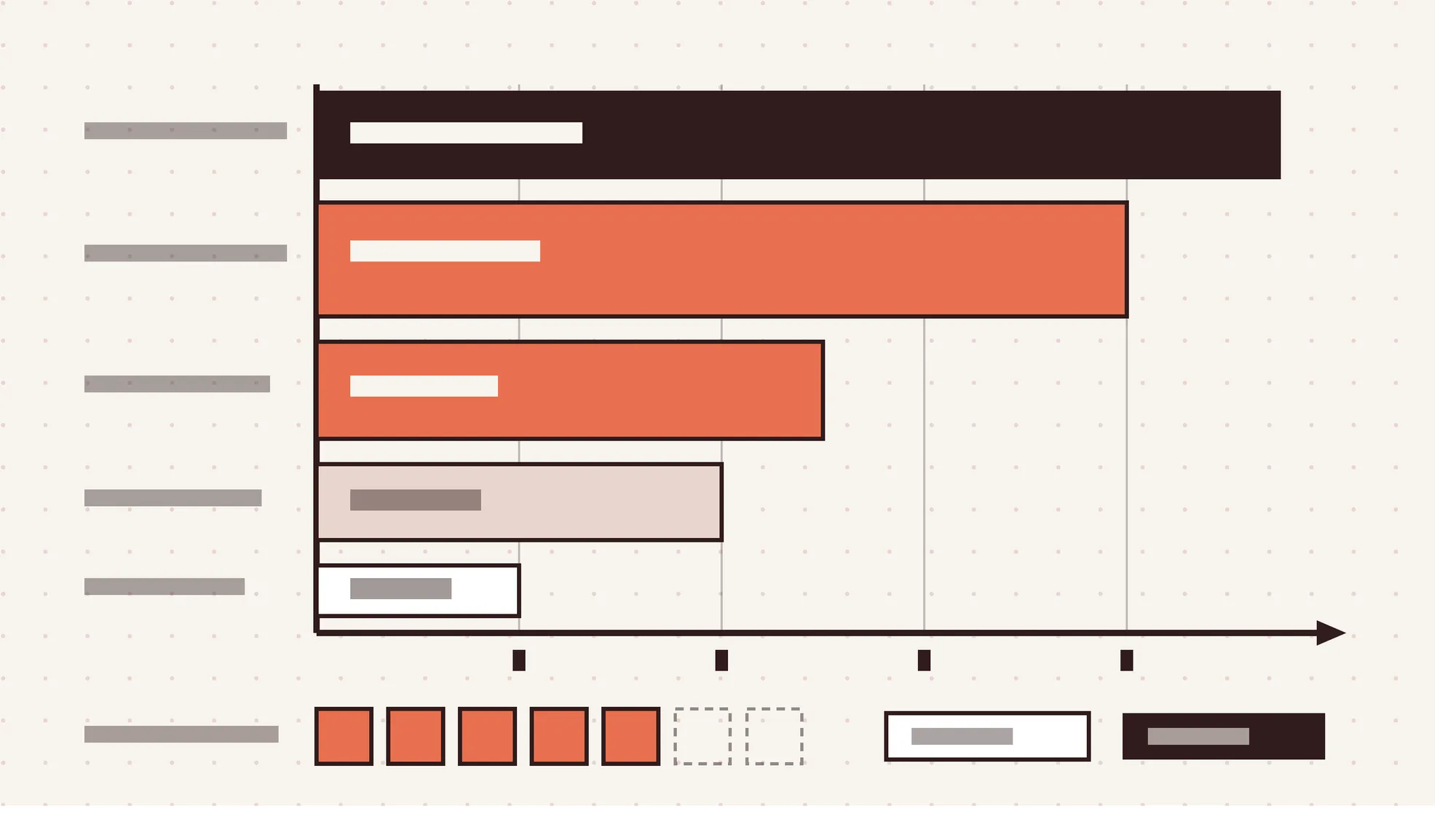
A healthcare app design agency costs about $7,000 for an audit and up to $150,000 for enterprise systems. US specialist healthcare UX agencies usually charge $100 to $199 per hour, with focused projects starting near $25,000.
A UX audit or discovery phase runs $7,000 to $15,000. A patient app or portal redesign runs $15,000 to $50,000. Full product design with a design system costs $50,000 to $120,000.
Monthly design subscriptions run about $4,600 to $6,600 a month. On the published side, Panze's fixed-price plans start at $500, while Sidebench lists a $50,000+ minimum on Clutch.
Costs rise with more user roles, such as patient, clinician and admin. Compliance documentation, research recruitment, EHR integrations and FDA human factors work also add budget. For a wider breakdown, see our guide to app design cost.
Typical healthcare app design pricing models are shown in the table below.
| Engagement type | Typical cost | Typical timeline |
|---|---|---|
| Discovery or UX audit | $7,000 to $15,000 | 2 to 4 weeks |
| Patient app or portal redesign | $15,000 to $50,000 | 6 to 12 weeks |
| MVP design with a US specialist agency | From $25,000 | 10 to 14 weeks |
| Full product design with a design system | $50,000 to $120,000 | 3 to 9 months |
| Enterprise clinical system | Up to $150,000 | Varies by scope |
| Monthly design subscription | $4,600 to $6,600 per month | Ongoing |
| Panze fixed-price plan | From $500 | 2 to 8 weeks |
How Long Does It Take to Design a Healthcare App?
Designing a healthcare app takes anywhere from 2 weeks to 9 months, depending on scope. Discovery alone runs 2 to 4 weeks, while a patient app redesign takes 6 to 12 weeks.
An MVP takes about 10 to 14 weeks, and a full discovery-to-handoff project takes 3 to 9 months. FDA human factors work adds another 4 to 8 weeks. Design-only projects at Panze take 2 to 8 weeks.
Three things slow projects most: clinician availability for research, compliance reviews and open EHR integration questions.
How to Choose the Right Healthcare App Design Agency?
To choose the right healthcare app design agency, match its live health work to your users and risks.
7 steps to choose the right healthcare app design agency are given below.
- Define users and regulatory path: Name your users and check whether the app could be a medical device.
- Shortlist agencies with live health apps: Download their apps and test them yourself.
- Ask for three healthcare case studies: Look for measured outcomes, not just screenshots.
- Check HIPAA readiness: Confirm the agency will sign a business associate agreement, or BAA, if it touches patient data.
- Ask how they recruit for research: Good agencies reach clinicians and patients quickly.
- Ask how they design and label AI features: Look for visible sources, confidence cues and human review.
- Confirm the team, handoff and support: Know who does the work and what happens after launch.
Is Hiring a Healthcare App Design Agency Worth It?
Yes, hiring a healthcare app design agency is worth it because health app design errors cost more. A wrong dose, a missed result or a failed accessibility audit can harm patients and delay launches. A specialist brings research and compliance habits that a generalist would learn on your budget.
Do Healthcare App Design Agencies Need to Sign a BAA?
Yes, a healthcare app design agency needs to sign a BAA when it will access protected health information. A business associate agreement is the HIPAA contract that sets how a vendor protects that data.
That access can happen during research or testing with real patient data. Many design projects avoid it by using synthetic test data instead. Your legal team should confirm what your project needs.
What Accessibility Standards Should a Healthcare App Meet?
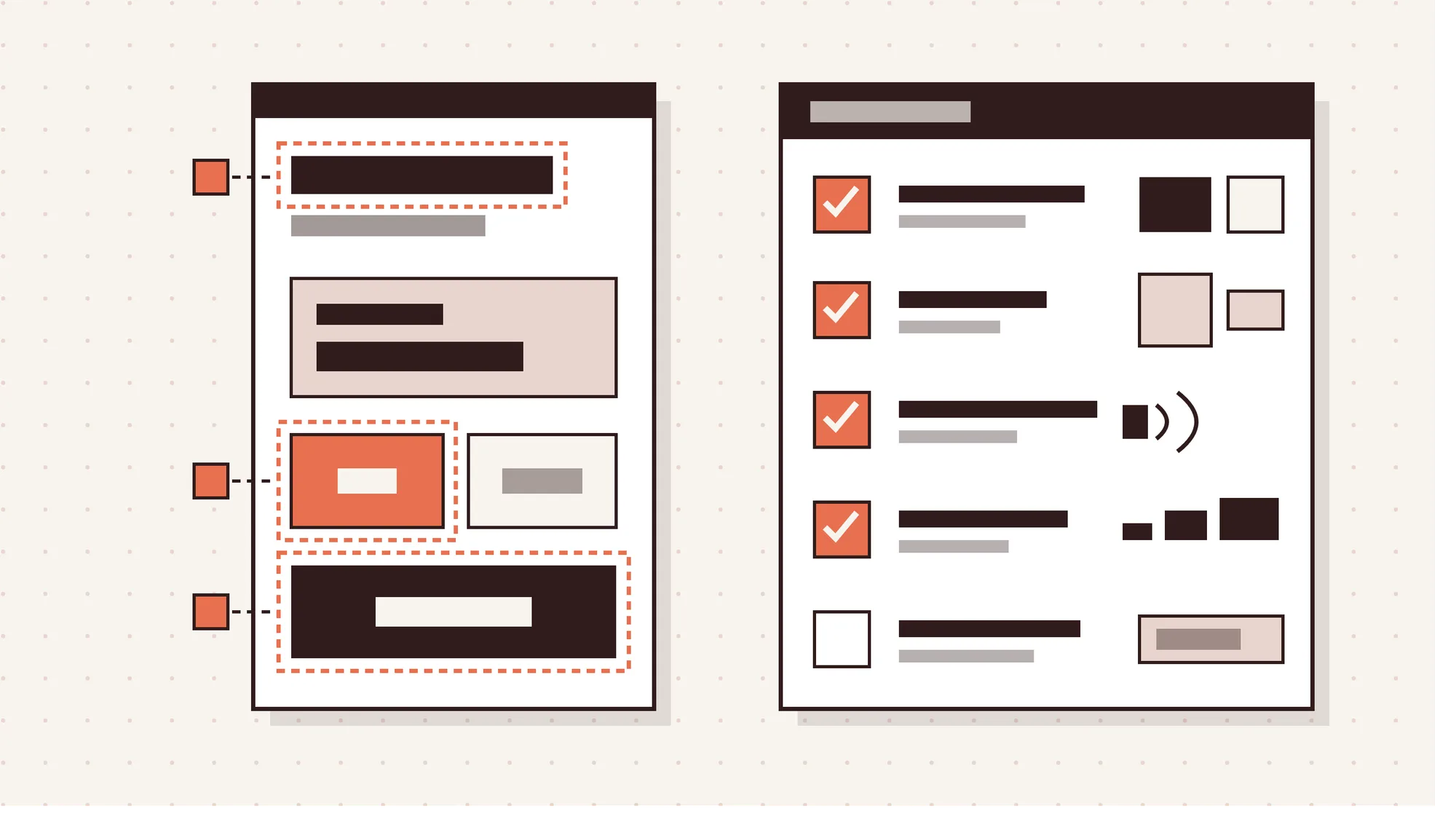
A healthcare app should meet WCAG 2.1 AA at minimum, plus platform and device rules where they apply.
Key accessibility standards for healthcare apps are listed below.
- WCAG 2.1 AA: Covers color contrast, screen-reader support and touch target sizes.
- Section 508: Applies to US federal systems and their contractors.
- Platform rules: Apple and Android accessibility guidelines for native components, text sizing and gestures.
- IEC 62366-1: The usability engineering standard for apps that are part of a medical device.
What Are the Pros and Cons of Hiring a Healthcare App Design Agency?
Hiring a healthcare app design agency trades higher cost for lower risk and deeper expertise.
The pros and cons of hiring a healthcare app design agency are given in the table below.
| Pros | Cons |
|---|---|
| Knows HIPAA, FDA and accessibility rules from the start | Costs more than a freelancer |
| Can recruit and test with patients and clinicians | Research recruitment adds time and budget |
| Proven process from discovery to developer handoff | Full products can take 3 to 9 months |
| Lower usability risk in high-stakes flows | Design-only agencies need a separate development partner |
| Design systems that speed up later releases | Post-launch support isn't always included |
For regulated or patient-facing apps, the extra cost usually buys down risks that cost far more.
How Does a Healthcare App Design Agency Compare to Other Options?
A healthcare app design agency competes with three main alternatives. They are a healthcare app development company, a general app design agency and a freelance designer. The biggest design split, though, is patient UX versus clinical UX.
What Is the Difference Between Patient UX and Clinical UX?
Patient UX serves anxious, often older users with low health literacy on their own phones. Clinical UX serves trained staff who need speed, dense data and fewer clicks.
Patient screens need reassurance, plain words and large targets. Clinical screens must hold up during constant interruptions, so every saved tap matters.
What Is the Difference Between a Healthcare App Design Agency and a Development Company?
A healthcare app design agency owns research, UX/UI, prototypes and usability testing. A development company owns code, backend, EHR integration, security and app store release.
Some partners do both, including WillowTree, MindSea, Sidebench and CodersBucket. That full-service setup reduces handoff gaps but ties you to one vendor.
Is a Healthcare App Design Agency Better Than a Freelancer?
Yes, a healthcare app design agency beats a freelancer for regulated apps because it adds a full team. A freelancer can suit a small wellness MVP with simple flows.
An agency adds research, accessibility review, quality assurance and backup designers when someone is out. Our comparison of freelance designer vs agency covers the trade-offs in more depth.
Frequently Asked Questions
Does a Wellness App Need FDA Clearance?
No, a wellness app doesn't need FDA clearance when it only supports sleep, activity or stress goals. The FDA's January 6, 2026 General Wellness guidance keeps low-risk, non-invasive products outside device rules.
But naming a disease, using diagnostic thresholds or prompting treatment can make the app a medical device. Confirm your case with a regulatory expert, since this isn't legal advice.
Can AI Design a Healthcare App Without a Designer?
No, AI can't design a healthcare app without a designer because safety and judgment calls still need people. AI tools speed up wireframes, copy drafts and layout options.
Patient research, clinical safety review, accessibility testing and regulatory decisions still need human designers. Our guide to AI vs human designer work explains where each one fits.
Should a Health Startup Hire a Specialist or a Generalist Agency?
A health startup should hire a healthcare specialist if its app handles PHI, clinical decisions or device data. A pure wellness MVP can work well with a strong mobile generalist that has some health work. The deciding test is simple: does the agency have a live health app you can download today?
Final Thoughts
The right healthcare app design agency matches your users, your regulatory path and your budget. Patient apps and clinician tools need different strengths, so shortlist with that split in mind.
AI now sits between patients and their data. Ask every agency how it designs AI features and data sharing.
Planning a healthcare mobile app? Talk to the Panze team, or check our app design pricing to plan your first step.