Logo design cost in 2026 runs from $0 with DIY tools to $50,000+ for an agency rebrand. Most startups and small businesses pay between $300 and $2,500 for a professional logo. That spread confuses most founders. A Fiverr seller offers a logo for $30. A branding agency quotes $15,000 for what sounds like the same job. Both prices can be fair. They just buy different depths of thinking, different files, and different rights. A logo isn't just a file, it's the first signal your brand sends. Below, you'll see what each tier includes, when cheap works, and where your budget matters most.
Logo Design Cost at a Glance
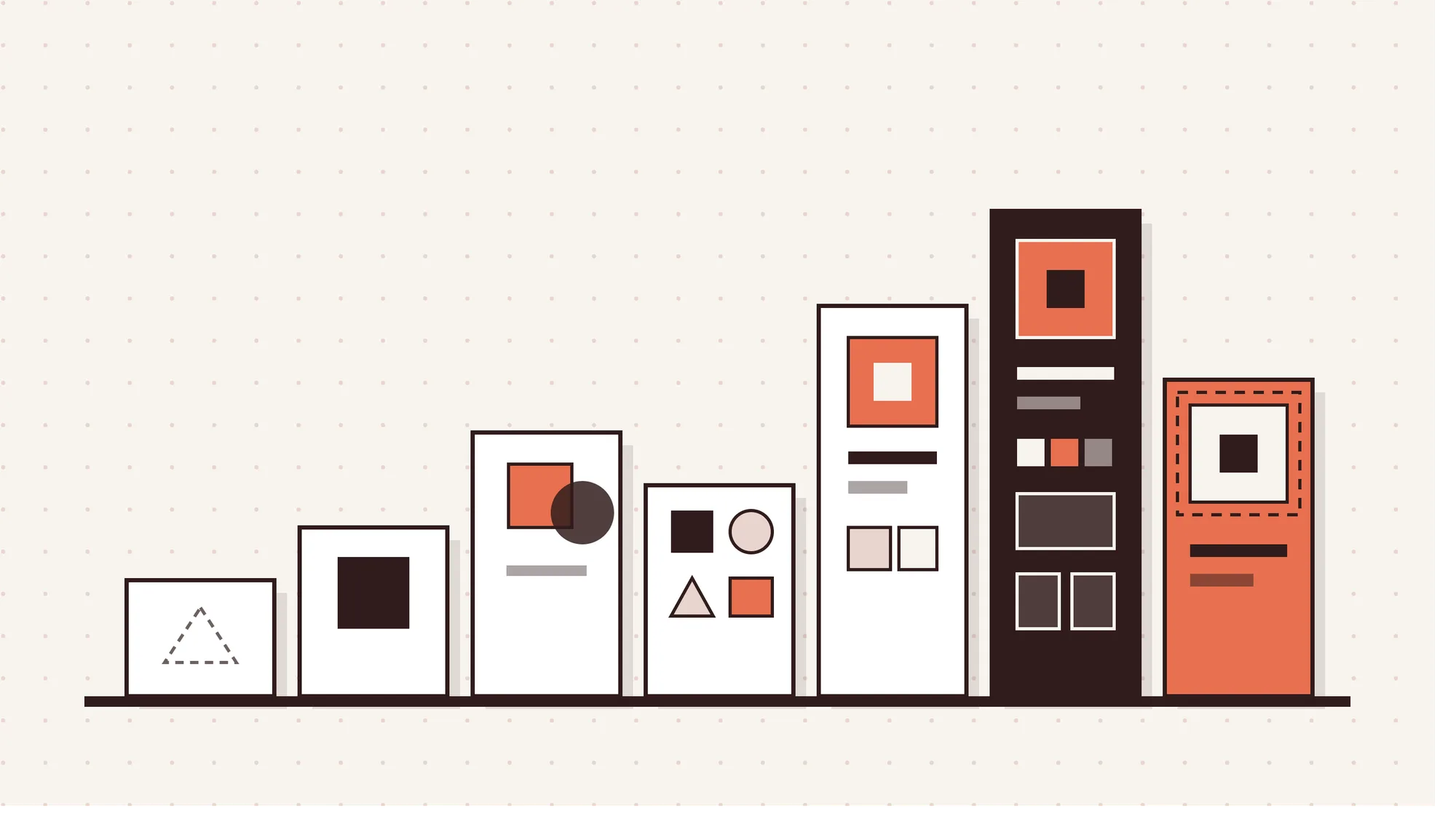
Logo design prices fall into 7 provider tiers, from free AI tools to full-service branding agencies. The table below shows each tier's typical cost range and the buyer it fits best.
| Provider Type | Cost Range | Best For |
|---|---|---|
| DIY or AI logo maker | $0 to $150 per year | Testing ideas on a tight budget |
| Beginner freelancer | $150 to $500 | Simple projects with a clear brief |
| Experienced freelancer | $500 to $2,500 | Growing businesses that need quality work |
| Design contest | $300 to $1,500 | Seeing many concepts for a flat fee |
| Boutique studio | $2,500 to $10,000 | Brand-conscious, growth-stage teams |
| Branding agency | $10,000 to $50,000+ | Enterprise brands and complex rebrands |
| White label design partner | $1,500 to $8,000 | Agencies selling logo work under their own brand |
| Three factors explain most of the gap between the cheapest and most expensive logos: |
- Who designs it. A beginner on a freelance platform and a senior brand strategist solve the brief at different depths.
- What the package includes. A single PNG isn't the same as vector files, brand guidelines, and full ownership.
- What the logo has to do. A bakery's Instagram logo and a SaaS logo in a Series A pitch carry different stakes. In short, you pay for the thinking behind the mark, not the file itself.
What Do You Get at Each Logo Design Price Tier?
Each logo design price tier buys a different level of strategy, originality, and file quality. The sections below cover what each provider delivers and where each one falls short.
DIY and AI Logo Makers
DIY and AI logo makers give you a usable mark in minutes, built from templates or prompts. You pick a layout or type a description, adjust the colors, and export. The catch is ownership and originality. Most tools draw from shared icon libraries, and many export only PNG files. These tools fit a side project or an idea you're still testing. They rarely hold up once you need print files or a trademark.
Beginner Freelancers
Beginner freelancers deliver a custom but basic logo, usually with limited revisions. Many find clients through freelance marketplaces and compete mostly on price. Quality varies widely at this level. Some beginners are talented, while others recycle stock elements without telling you. So check each portfolio closely. Then confirm in writing that the work is original.
Experienced Freelancers
Experienced freelancers offer multiple concepts, proper vector files, and some strategy input. Most have years of client work behind them and a repeatable process. For many small businesses, this tier gives the best value. The trade-off is depth, since one person can't always cover research, positioning, and design equally well.
Design Contests
Design contests give you dozens of concepts from many designers for a flat fee. Platforms like 99designs post your brief, designers submit entries, and you pick a winner. Volume is the main appeal. But nobody owns the strategy, and many entries are quick takes rather than considered solutions. Contests also leave you without one accountable designer. That gap shows up later, when you need revisions or new brand assets.
Boutique Studios
Boutique studios provide discovery, brand thinking, and a complete file set. A small senior team studies your market and competitors before drawing anything. You get more strategic depth than most freelancers offer. The trade-off is time, because discovery and exploration take weeks rather than days.
Branding Agencies
Branding agencies deliver research, positioning, and a full identity system with guidelines. Their work suits enterprise brands, mergers, and rebrands across many markets. Part of the fee covers overhead, account management, and process. On some teams, junior staff handle much of the execution, so ask who will actually design your logo.
White Label Design Partners
White label design partners provide design work that an agency delivers under its own brand. The partner stays behind the scenes and works as part of the agency's team. The model fits agencies more than direct buyers. We cover how it works later in this guide. Neither end of the price range is always right. The right tier matches where your business is today and where it's heading.
What Are You Paying For in a Logo Design Project?
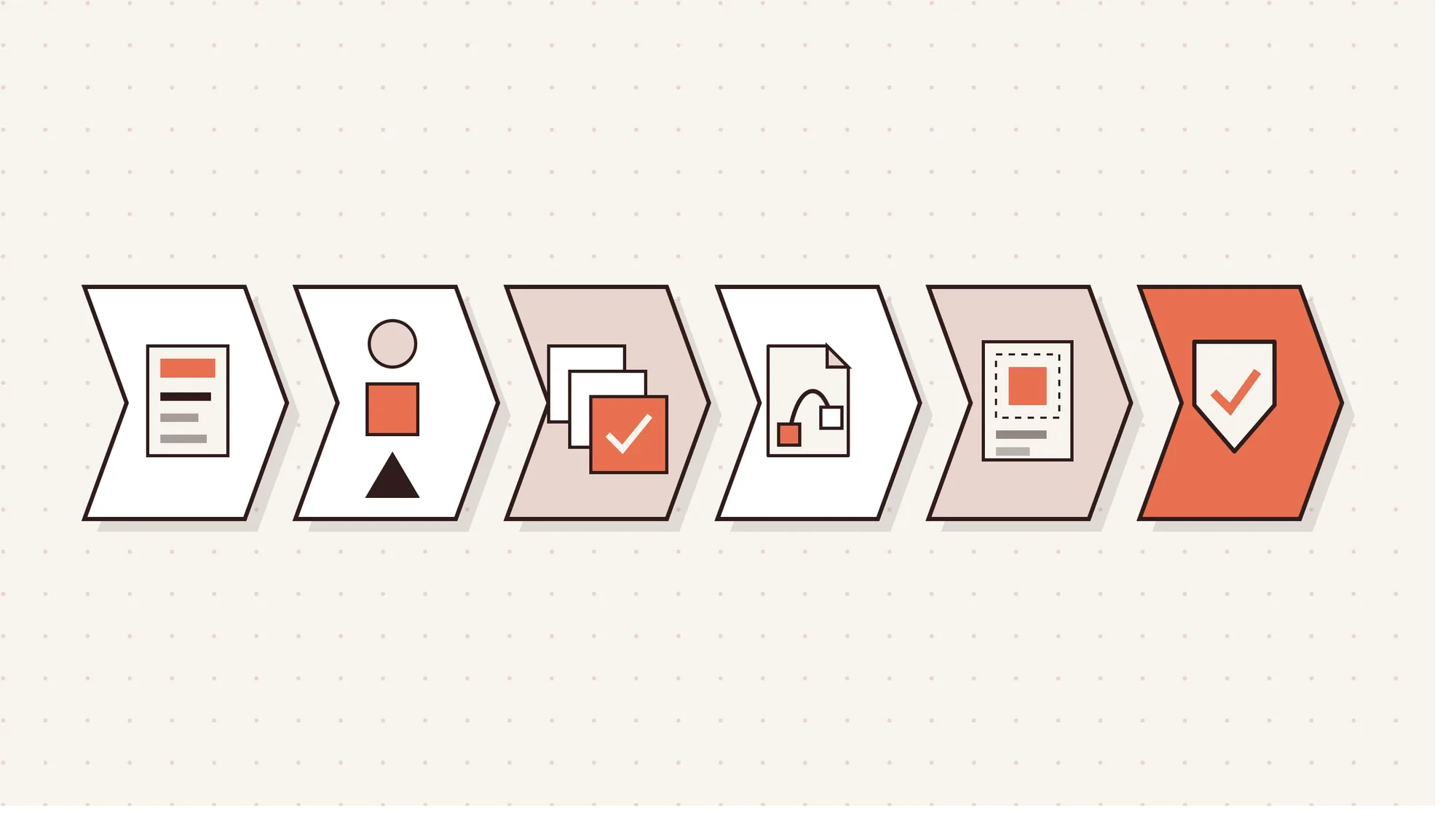
A logo design quote covers 6 stages: discovery, concepts, revisions, file delivery, guidelines, and ownership transfer. Most quotes bundle these into one number, so the stage-by-stage costs below help you spot what's missing.
| Design Stage | What It Involves | Typical Cost |
|---|---|---|
| Discovery and brief | Brand research, competitor analysis, positioning | $200 to $1,500 |
| Concept development | 2 to 5 initial logo directions | $300 to $3,000 |
| Revision rounds | Feedback, refinement, iteration | $100 to $500 per round |
| Final file delivery | Vector files in AI, EPS, and SVG plus PNG and JPG | Included, or $100 to $300 |
| Brand guidelines | Color, typography, spacing, usage rules | $500 to $3,000 |
| Ownership transfer | Full copyright and IP handover | Included, or $200 to $500 |
Whatever your budget, two of these stages deserve extra attention. Vector files and written ownership protect every dollar you spend on the rest.
Why Vector Files Matter
Vector files keep your logo sharp at any size, from a browser tab icon to a billboard. A PNG is made of pixels, so it blurs or breaks when you scale it up.
Ask for AI, EPS, and SVG files, plus PNG and JPG versions for everyday use. You'll also need light and dark versions for different backgrounds.
Why Written Ownership Matters
A written transfer makes sure you own the copyright, not just a license to use the logo. Under U.S. law, the creator usually owns copyright unless a signed agreement says otherwise. The U.S. Copyright Office's guide on works made for hire covers the details.
Budget designers often skip both vector files and ownership terms. Fixing either one later costs more than the logo did.
How Does the Type of Logo Affect Cost?
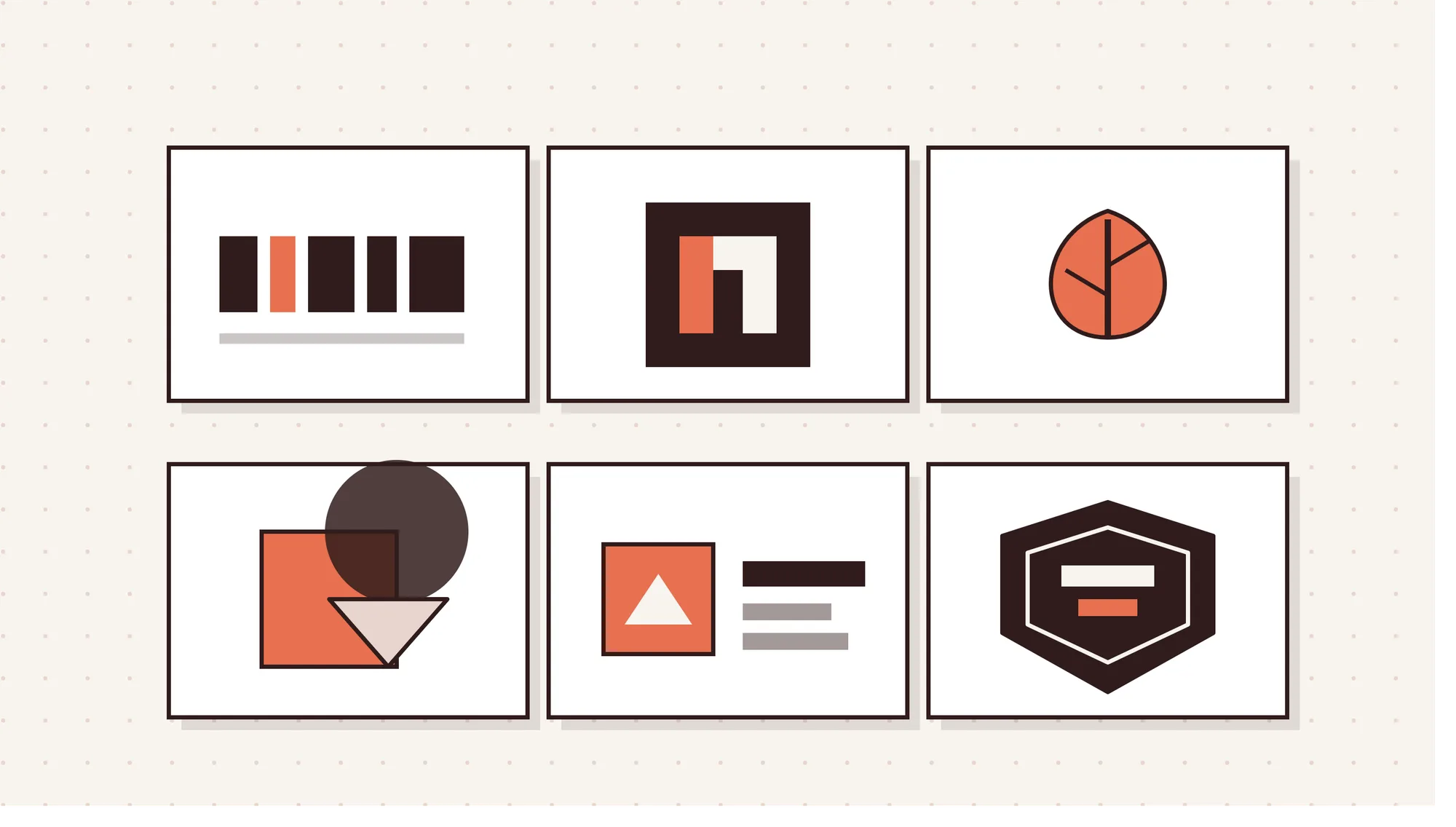
Simpler logo types cost less because they take fewer hours to design and refine. The style you choose shapes how much exploration and craft the designer needs.
Most logos fall into 6 common types:
- Wordmark. The brand name set in custom or modified type. It's often the fastest to design, but the typography has to be excellent.
- Lettermark. Initials or a short monogram. It suits long company names and needs careful letter spacing.
- Pictorial mark. A recognizable icon, such as a bird or a leaf. Custom illustration adds hours, especially when the icon must work at tiny sizes.
- Abstract mark. A geometric shape that stands for an idea. It takes more concept work because the meaning isn't obvious at first glance.
- Combination mark. An icon paired with a wordmark. You pay for two elements plus the layouts that join them.
- Emblem. Text set inside a shape, like a badge or crest. Detailed emblems need simplified versions for small screens.
A pictorial or combination mark often becomes your app icon too. If an app is on your roadmap, check how app design cost fits your wider budget.
Custom Logo vs Template: What's the Real Cost Difference?
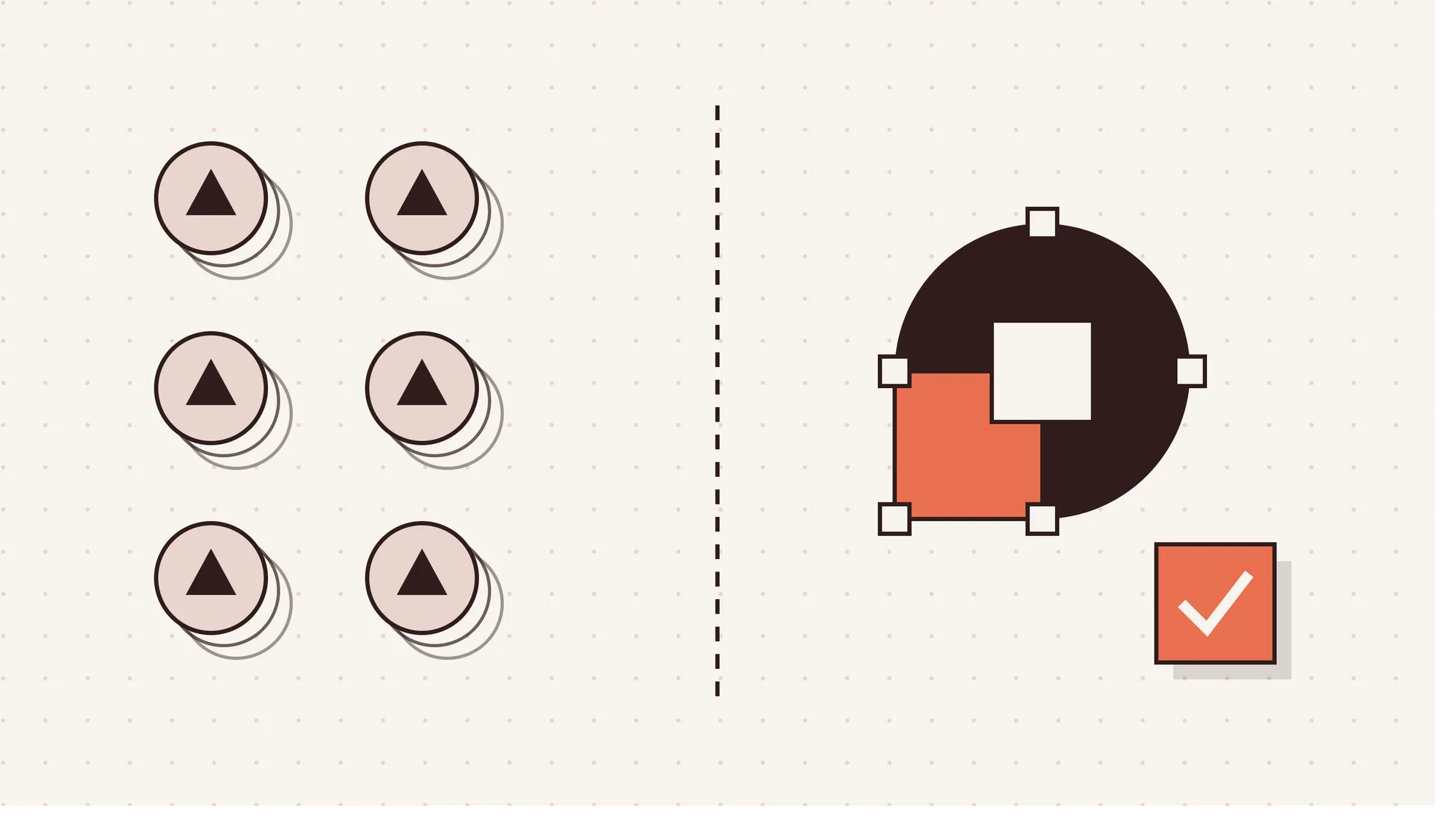
A custom logo costs more because you get an original mark you can own and trademark. A template logo is cheaper, but it's shared with other users and licensed to you.
Tools like Canva and Wix Logo Maker can produce something logo-like in minutes. The comparison below shows what that speed trades away.
| Factor | DIY or Template Logo | Custom Logo Design |
|---|---|---|
| Cost | $0 to $150 per year | $500 to $50,000+ |
| Originality | Low, from a shared template library | High, built for your brand |
| File formats | Usually PNG only | Full vector and raster set |
| Ownership | License-based, so read the terms | Full copyright transfer |
| Scalability | Mostly screen use | Print, digital, and signage |
| Best for | Early testing or temporary use | Long-term brand building |
The bigger risk is trademark protection. Canva's help center says logos made from its templates are non-exclusive and can't be registered as trademarks. You may have to rebrand entirely once you try to register your brand.
The low DIY logo maker cost suits a side project or a business in its first 90 days. Custom logo design cost is a foundation, not an extra, for companies raising money or chasing serious clients.
Should You Pay a Logo Designer Hourly or a Fixed Price?
Pay a fixed project price for logo design whenever you can. Creative work is hard to time, so a flat fee shifts the time risk to the designer.
The table below compares logo design hourly rates with fixed project rates by experience level.
| Designer Level | Hourly Rate | Fixed Project Rate |
|---|---|---|
| Beginner, 0 to 2 years | $25 to $50 per hour | $150 to $500 |
| Mid-level, 2 to 5 years | $50 to $100 per hour | $500 to $2,500 |
| Senior, 5+ years | $100 to $200 per hour | $2,500 to $10,000 |
| Agency or studio | $150 to $300 per hour | $5,000 to $50,000 |
Why Fixed Pricing Usually Works Better
Fixed pricing works better because you know the total before work starts. Hourly billing gets unpredictable on creative projects, since every revision, new direction, and extra call adds hours.
Ask for an estimated total range before you agree to an hourly quote. A graphic designer's logo cost can climb fast when the scope isn't locked down.
Panze uses project-based pricing for the same reason. Fixed-price plans keep the number clear, and agencies can also choose a monthly retainer.
When Hourly Billing Makes Sense
Hourly billing fits small, clearly defined tasks. Examples include cleaning up an existing logo, rebuilding a file in vector format, or adapting a mark for merchandise.
It also works for ongoing support where the scope changes week to week. Set a monthly cap so the bill stays predictable.
What Drives Logo Design Cost Up or Down?
Logo design cost rises or falls with 8 factors, from designer experience to timeline. Two logos can look equally simple and still carry very different price tags.
- Designer experience. A senior designer studies your competitors, audience, and positioning before opening any design tool.
- Number of concepts. More initial directions mean more hours. Some packages include 2 concepts, others include 8.
- Revision rounds. Each round of feedback takes time. Capped revisions keep costs predictable, while "unlimited" rarely means unlimited.
- Mark complexity. A clean wordmark takes less time than a custom illustrated icon or a detailed combination mark.
- File deliverables. A full light and dark file set takes longer to prepare than a single PNG.
- Guidelines scope. A one-page usage sheet costs far less than a 20-page brand standards document.
- Rush timeline. Expect a 25 to 50 percent premium if you need the logo within 48 hours.
- Industry specialization. Designers with deep fintech or healthcare experience charge more, because their context knowledge prevents costly mistakes.
Lock in exactly what's included before you sign. Undefined scope causes most logo pricing surprises.
How Much More Does a Brand Identity Cost Than a Logo?
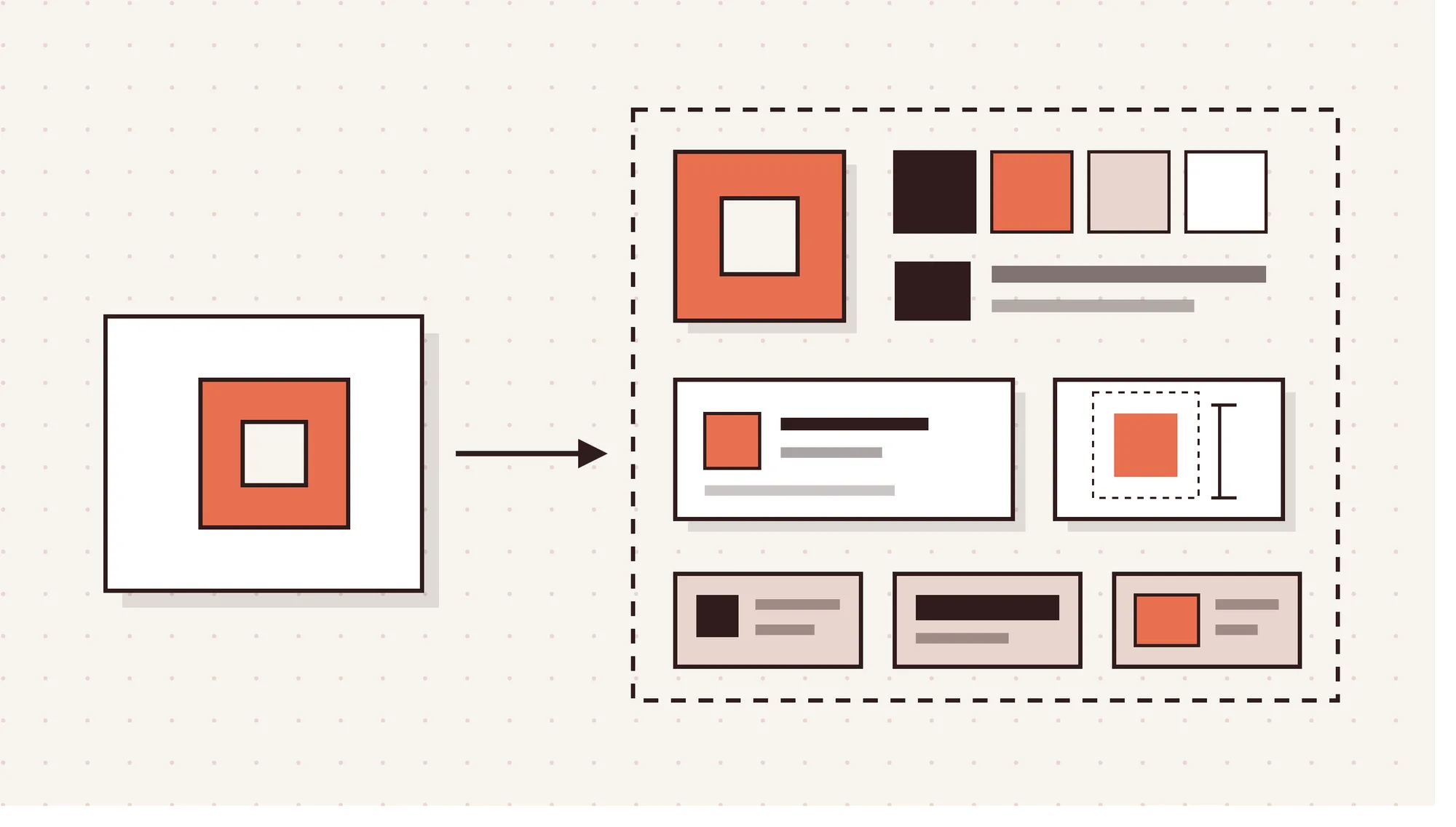
A full brand identity costs about $5,000 to $50,000+, while a logo alone runs $300 to $5,000. The difference is scope. A logo is one mark, while a brand identity governs how that mark appears everywhere.
Brand identity package pricing scales with how much of that system you need, as the table shows.
| Scope | What's Included | Typical Cost |
|---|---|---|
| Logo only | Single mark and a basic file set | $300 to $5,000 |
| Logo plus usage guidelines | Logo with color, font, and spacing rules | $1,000 to $8,000 |
| Brand identity package | Logo, guidelines, templates, and collateral | $5,000 to $25,000 |
| Full brand strategy and identity | Research, positioning, and a complete visual system | $15,000 to $50,000+ |
Skipping guidelines creates a predictable problem for SaaS and app teams. Marketing uses one shade of blue, product uses another, and the pitch deck uses a third.
The logo wasn't the problem. Nobody defined the rules for using it, so the brand looked inconsistent at every touchpoint.
For most digital product companies, a logo plus basic guidelines is the minimum sensible investment. The added cost is often $500 to $2,000. Those rules also carry into your next project and help keep your website design cost predictable.
What Basic Brand Guidelines Should Include
Basic brand guidelines should cover 6 essentials: logo versions, clear space, minimum size, colors, typography, and misuse examples.
- Logo versions. Primary, secondary, icon-only, and one-color versions for different uses.
- Clear space. The empty area that must surround the logo on every layout.
- Minimum size. The smallest size at which the logo stays readable in print and on screen.
- Color codes. HEX and RGB values for screens, plus CMYK and Pantone values for print.
- Typography. Brand fonts, weights, and where each one is used.
- Misuse examples. Stretching, recoloring, or adding effects that break the logo.
A one-page version covers the basics for most startups. Larger teams usually need a fuller document as more people touch the brand.
What Does a Cheap Logo Really Cost You?
A cheap logo often costs more in rebranding than it saved upfront. The damage rarely shows on day one, so it's easy to miss.
Take a common, hypothetical scenario. A SaaS founder pays $150 for a logo delivered in 48 hours. It looks clean enough, so it goes on the website, the app, and the pitch deck.
Months later, an investor likes the product but says the brand feels less serious than it does. The founder takes a fresh look. The icon is a stock element, and the font is a hurried Google Fonts pick.
Now the founder needs a rebrand. That can cost $2,500 to $10,000 at boutique studio rates, plus weeks of delay.
A weak logo stays quiet until the worst moment. It shows up in investor meetings, enterprise sales calls, and partner reviews, often before you speak.
How Can Agencies Offer Logo Design Through a White Label Partner?
Agencies can offer logo design without hiring in-house designers by subcontracting the work to a white label partner. The partner designs the logo, and your agency delivers it to the client under your own brand.
Knowing how white label product design works helps you set realistic client timelines. It also helps you price logo work with a healthy margin.
How the White Label Model Works
A white label design agency works as an extension of your own team. You keep the client relationship, set the price, and keep the margin.
Most white label logo projects follow 4 steps:
- Brief. Your agency shares the client's goals, audience, competitors, and constraints.
- Design. The partner explores concepts and refines the chosen direction.
- Review. Your team presents the work to the client under your agency's name.
- Handoff. The partner delivers final files and guidelines for your agency to pass on.
The model suits agencies whose clients ask for branding alongside websites, apps, or SaaS products. It also helps when demand is uneven and a full-time designer would sit idle between projects.
What to Look for in a White Label Logo Partner
Look for senior-led design, complete file delivery, and clean ownership terms. These three points decide whether the partner protects your agency's reputation.
- Senior-led work. Ask who designs the logo and who reviews it before files reach you.
- Full file delivery. Vector and raster files, in light and dark versions, on every project.
- Ownership transfer. All rights should pass to your agency so you can transfer them to your client.
- Reliable communication. Agree on response times, revision rounds, and time zones upfront.
- Confidentiality. A signed NDA protects your client relationships and project details.
What Should You Ask Before Hiring a Logo Designer?
Ask 7 questions before you sign, so the quote matches what you actually need.
- How many initial concepts are included?
- How many revision rounds come with the price?
- Which file formats will I receive?
- Do I get full copyright, and is it in writing?
- Are brand guidelines included, or quoted separately?
- Who will actually design the logo?
- What's the timeline, and is there a rush fee?
Vague answers to any of these are a warning sign. Clear answers usually point to a clear process.
How to Budget for Logo Design Without Wasting Money
To budget well, match your spend to your business stage and pay for files, ownership, and guidelines first. Use these 6 rules to keep your money where it counts.
- Know your stage. A pre-revenue startup and a Series A company need different things. Spend for where you are, not where you hope to be.
- Protect the basics first. Walk away if a designer can't deliver vector files and a written copyright transfer.
- Add basic guidelines. Even a one-page sheet covering colors, fonts, and usage rules is worth the extra cost.
- Lock scope before briefing. Vague briefs produce vague work and open-ended invoices.
- Keep trends out of the core mark. Graphic design trends work well for campaigns, but a logo needs to outlast them.
- Don't confuse cheap with affordable. A $200 logo replaced in 18 months costs more than a $1,500 logo kept for 10 years.
Making the Right Logo Design Cost Decision
The right logo design cost matches your stage and protects your brand as it grows. Pay for vector files, written ownership, and basic guidelines before anything else. Then choose the provider tier that fits your goals, not just your budget. Your logo shows up in rooms you're not in. A deliberate choice now saves a costly rebrand later. Panze can support your agency behind the scenes when clients need logos or full brand identities. Explore our logo and branding design services, or talk to our team about your next project.
Logo Design Cost FAQs
Is $100 enough for a professional logo?
No, $100 usually buys a functional logo, not a strategic one. At that price, you'll likely get a template or beginner design with limited files and unclear ownership. Treat it as a temporary fix, not a long-term brand asset.
What files should you receive when you pay for a logo?
You should receive vector files in AI, EPS, and SVG, plus PNG and JPG raster files. Each format should come in light and dark versions. Treat a single PNG as a red flag and resolve it before final payment.
Do you own a logo after paying a designer?
Not automatically. Ownership depends on your contract, and freelancers often keep copyright without a signed transfer. Make sure your agreement transfers all copyright and IP to you after final payment. You'll want that in place before you file for a trademark.
Is a design contest a good way to get a logo?
A design contest works well when you want many concepts for a flat fee. You'll see a wide range of styles from different designers. The trade-off is accountability, since no single designer owns the strategy behind the result.
Can you use an AI logo generator for a business logo?
Yes, for early testing, an AI logo generator is a reasonable start. Read the license terms first, since many tools don't give you exclusive rights. Plan to replace it with a custom mark before you register a trademark.
Why do branding agencies charge so much for a logo?
Agency fees cover strategic research, specialist teams, and a full identity system, not just the mark. That investment pays off when brand consistency affects revenue or investor perception. Early-stage companies often get enough value from a skilled freelancer at a fraction of the price.